Charting a path back to Waterloo
David Carciente's Rising Stars summer became the reason he's back for a master's in Systems Design Engineering
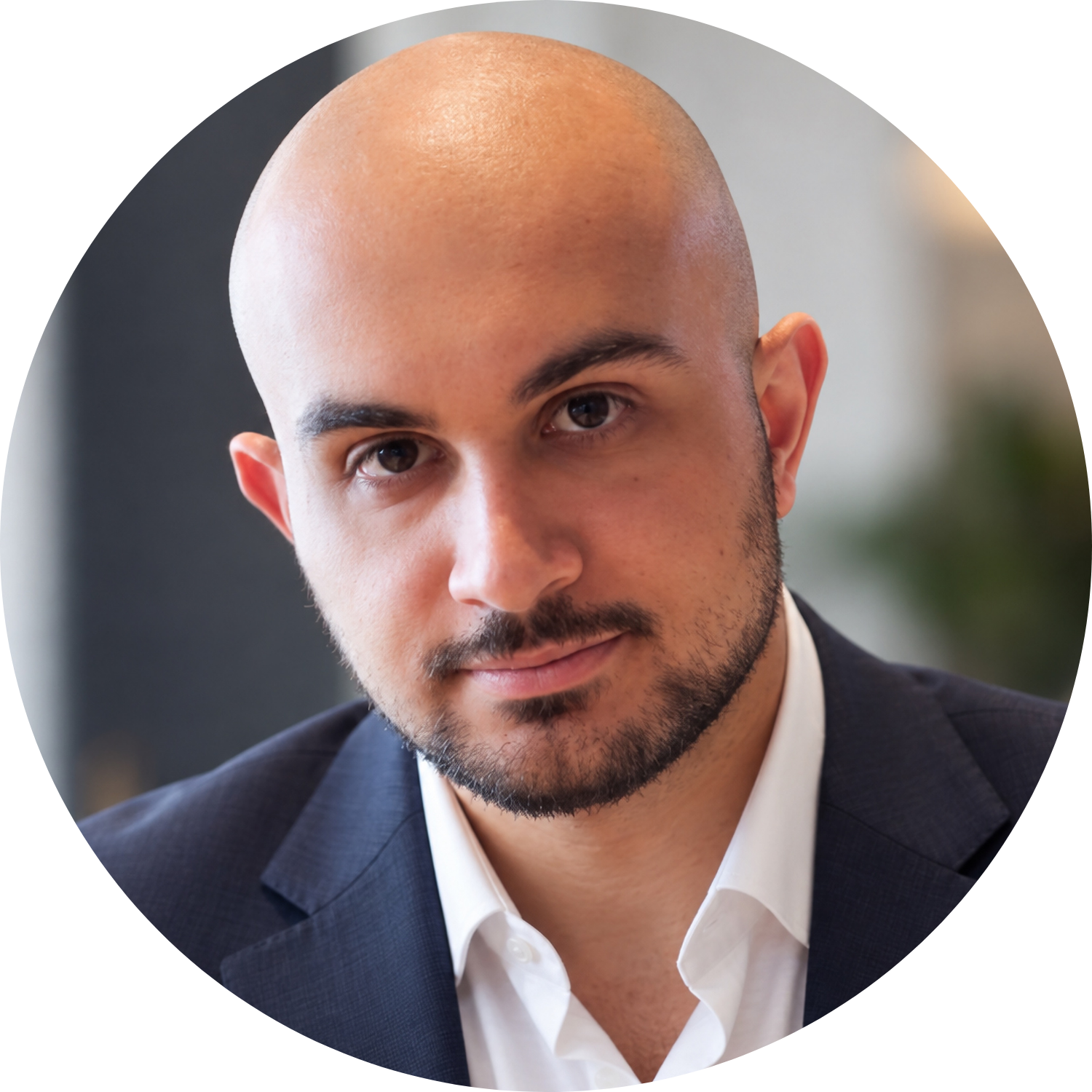
In the summer of 2024, David Carciente handed disposable cameras to two groups of students at the University of Waterloo — one Canadian, one from Ukraine — and asked each to photograph what they saw. Once the film was developed, he compared the results. It was a small experiment born of curiosity, and it set the tone for Carciente’s summer of research at Waterloo, where he’d spend the months ahead building a bridge between two ways of seeing the same thing.
Carciente was part of the first cohort of Waterloo Engineering's Rising Stars Fellowship, a paid summer research program for undergraduates, now in its third year. A growing number of fellows have returned to Waterloo for graduate school, and Carciente is one of them, now enrolled in a master’s program in the Department of Systems Design Engineering.
A summer of discovery
He found Rising Stars almost by accident, spotting a listing on a co-op job board while completing his undergraduate degree in software engineering at Concordia University in Montreal. Undergraduate research was rare enough to catch his attention, and rare enough at Waterloo to be worth what he calls one of the most personal cover letters he's ever written. He was accepted into the fellowship's inaugural cohort.
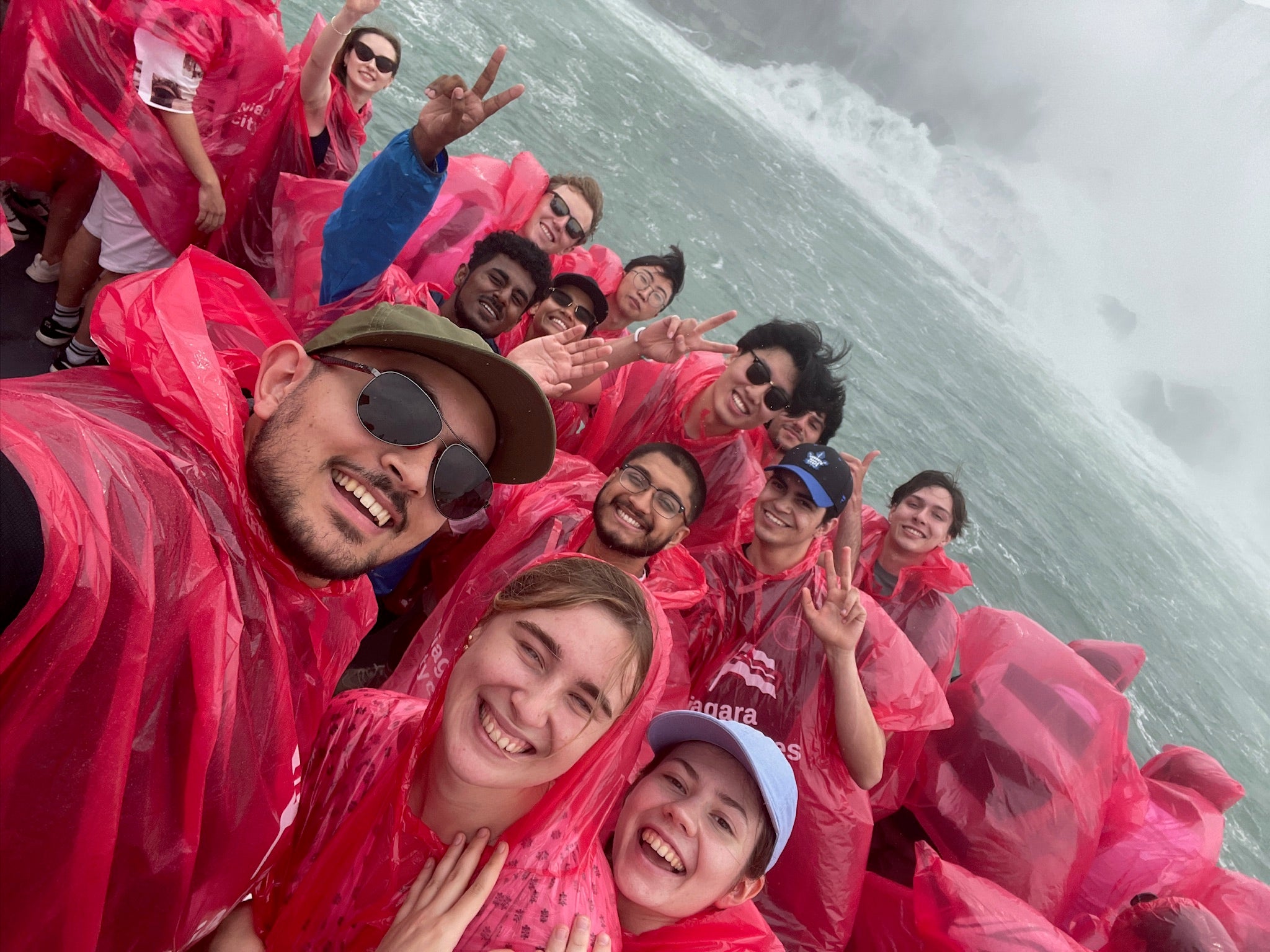
That summer, working in Waterloo's Vision and Image Processing Lab, he built a tool that let marine researchers use a computer vision model to help identify whales in satellite imagery, without needing a computer science background of their own. The fellowship happened to run alongside a second Waterloo program hosting students from Ukraine, and Carciente — drawn to questions of how people see the world — spent as much time documenting that overlap as he did his research: cameras, a signed Lego car, flights with a friend training to be a pilot. "[It was] probably the best summer I've ever experienced," he says of his time at Waterloo.
Familiar ground
What ultimately brought him back here for his grad studies, he says, was the chance to know his supervisors before committing to them. During the fellowship, he worked alongside Dr. David Clausi, a systems design engineering professor, and Dr. Linlin Xu — Xu was a researcher at Waterloo then, now an adjunct professor at the University of Calgary. "The biggest benefit of Rising Stars is that you get to know the professors and the lab," Carciente says. By the time he graduated from Concordia in spring 2026, he already knew the professors, the lab and the people. For him, Waterloo was familiar ground.
He's one of three Rising Stars fellows currently enrolled in a Waterloo master's program; four more start this fall, most in master's degrees and one in a PhD. In total, seven of the 45 students who've come through the fellowship since 2024 have chosen to return for graduate study, spanning four departments across the Faculty.
Now co-supervised by Clausi and Xu in the Department of Systems Design Engineering, Carciente just finished his first research term. He's building a data pipeline that pairs two kinds of satellite imagery with sea ice charts — groundwork for a model that could eventually help predict sea ice conditions.
He's still weighing what comes after graduation: academia or industry. Either way, he says, the goal hasn't changed since he found Rising Stars on a job board — applying what he knows to problems no one has solved yet.
Go to the Rising Stars Fellowship website to learn more about the program.
Feature image: David Carciente (bottom left) poses while in flight during his Rising Stars summer. Photo supplied by David Carciente.