Reflections from Our Time at the UN
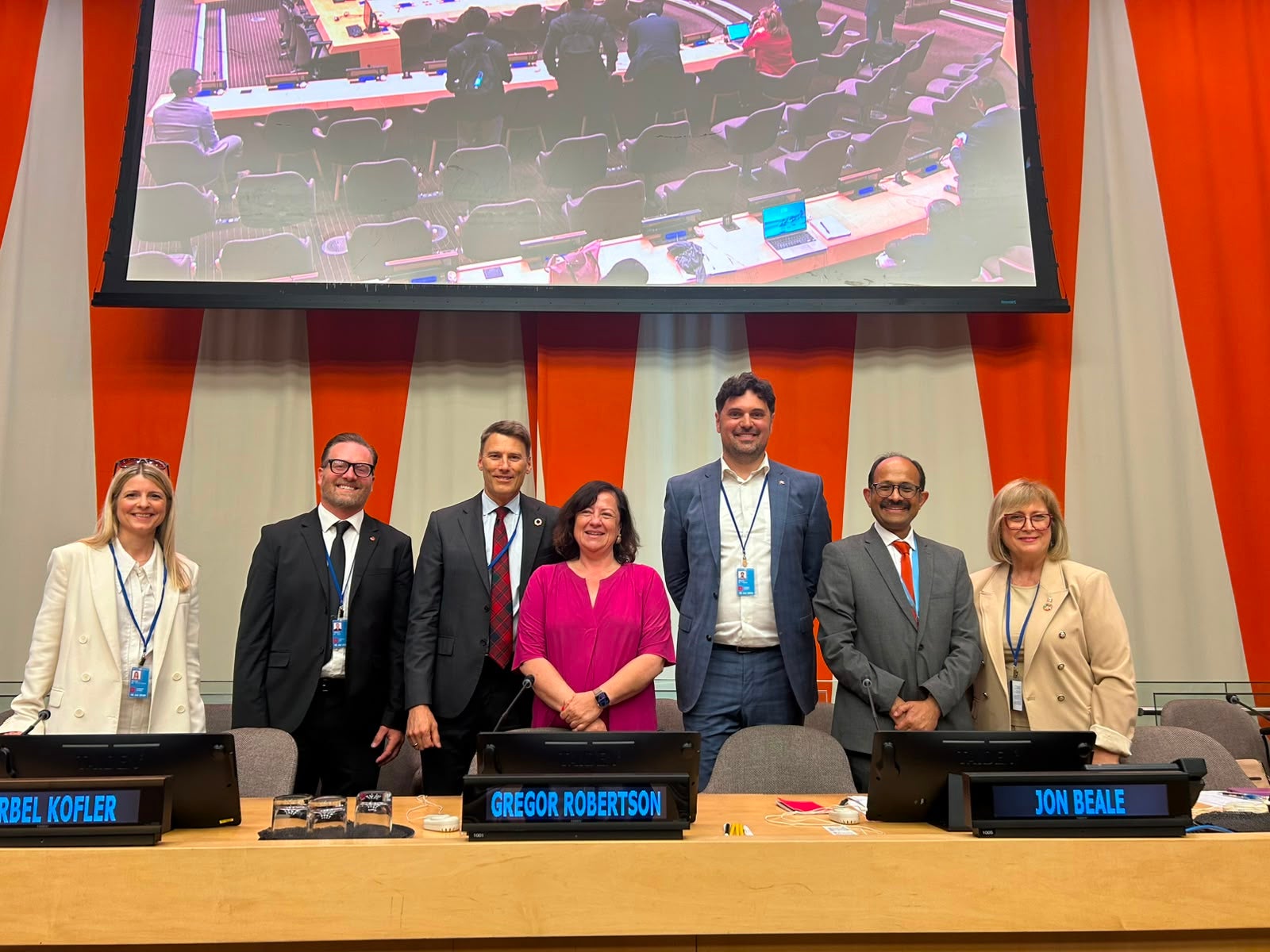
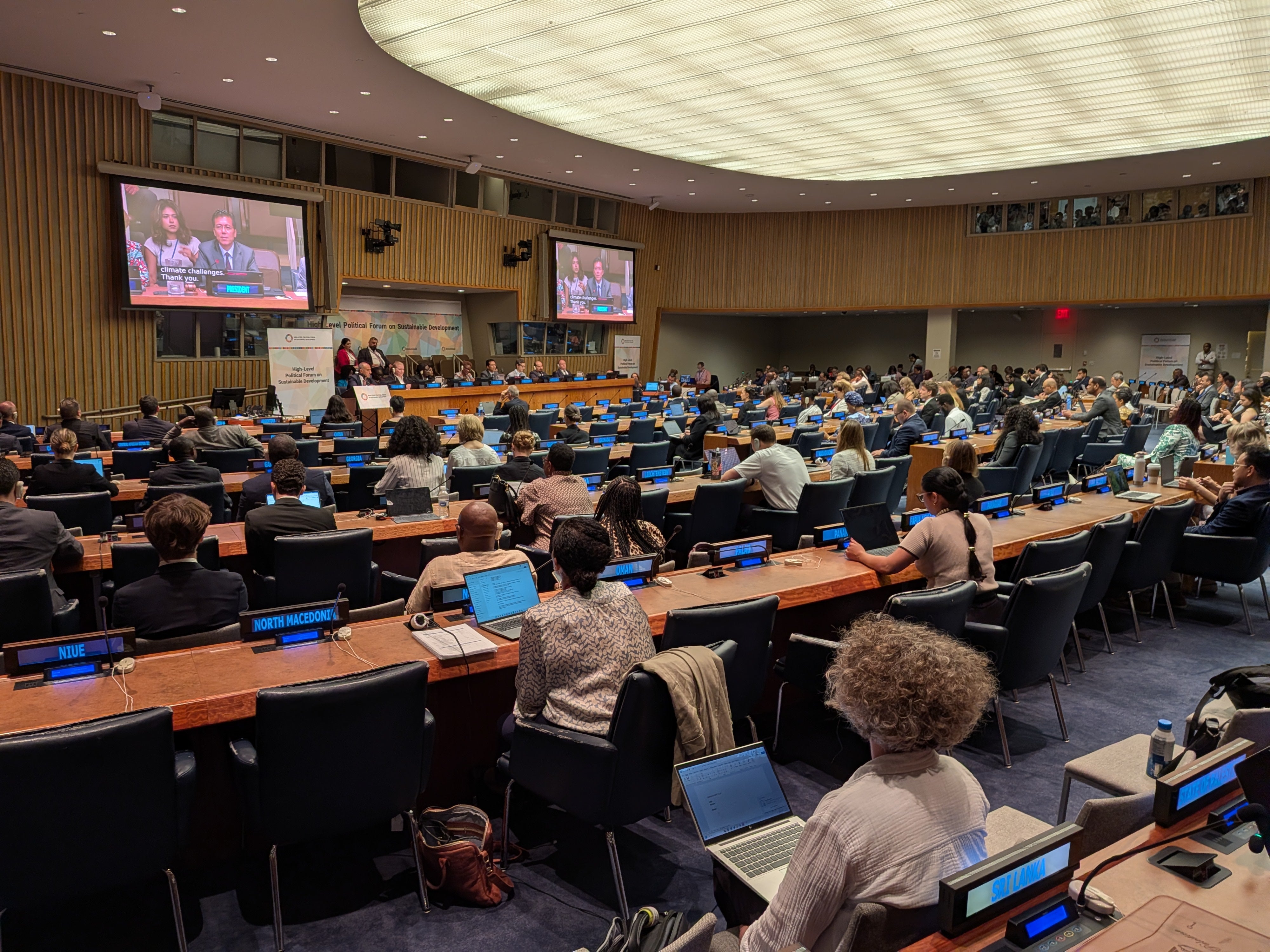
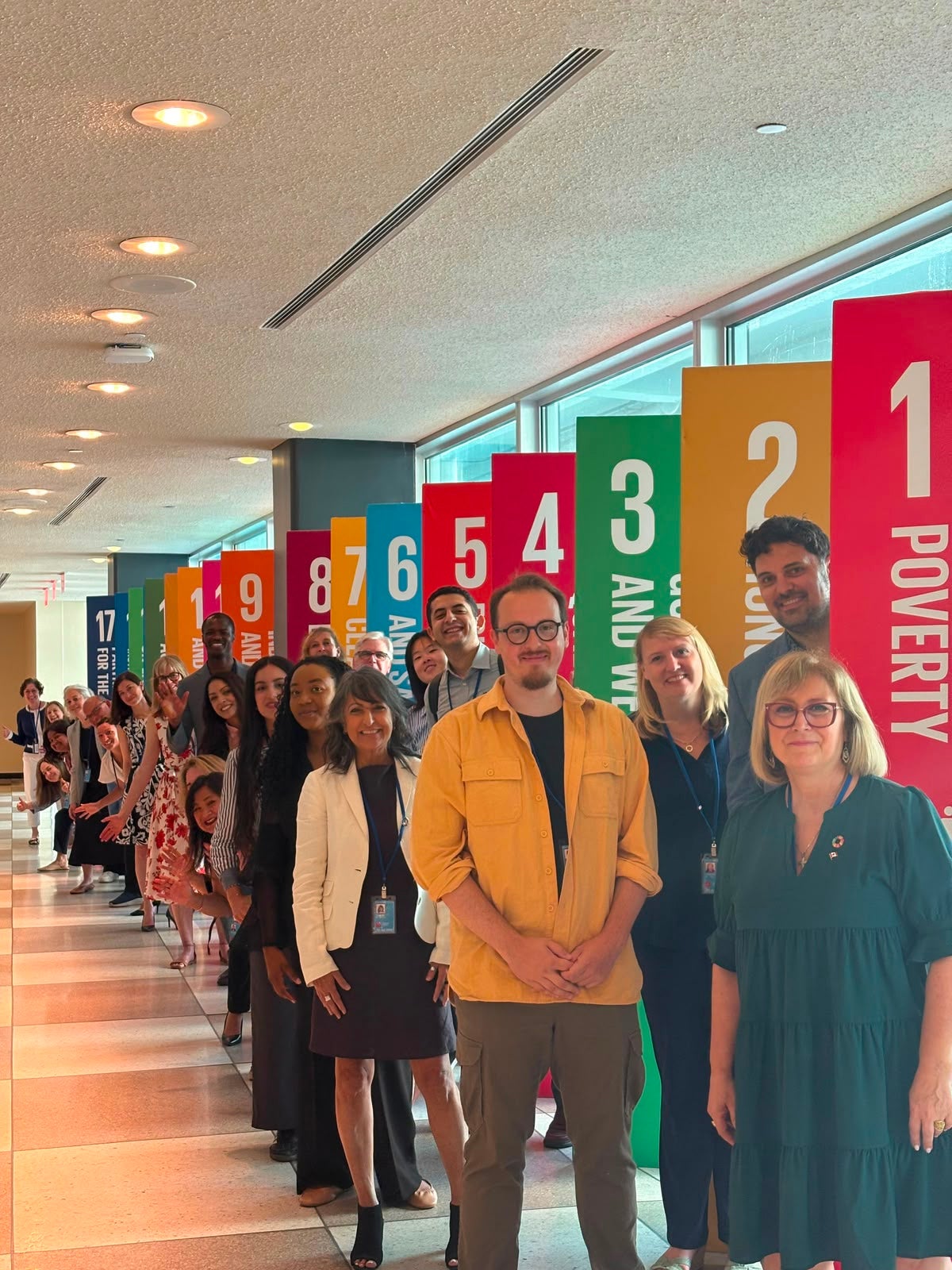
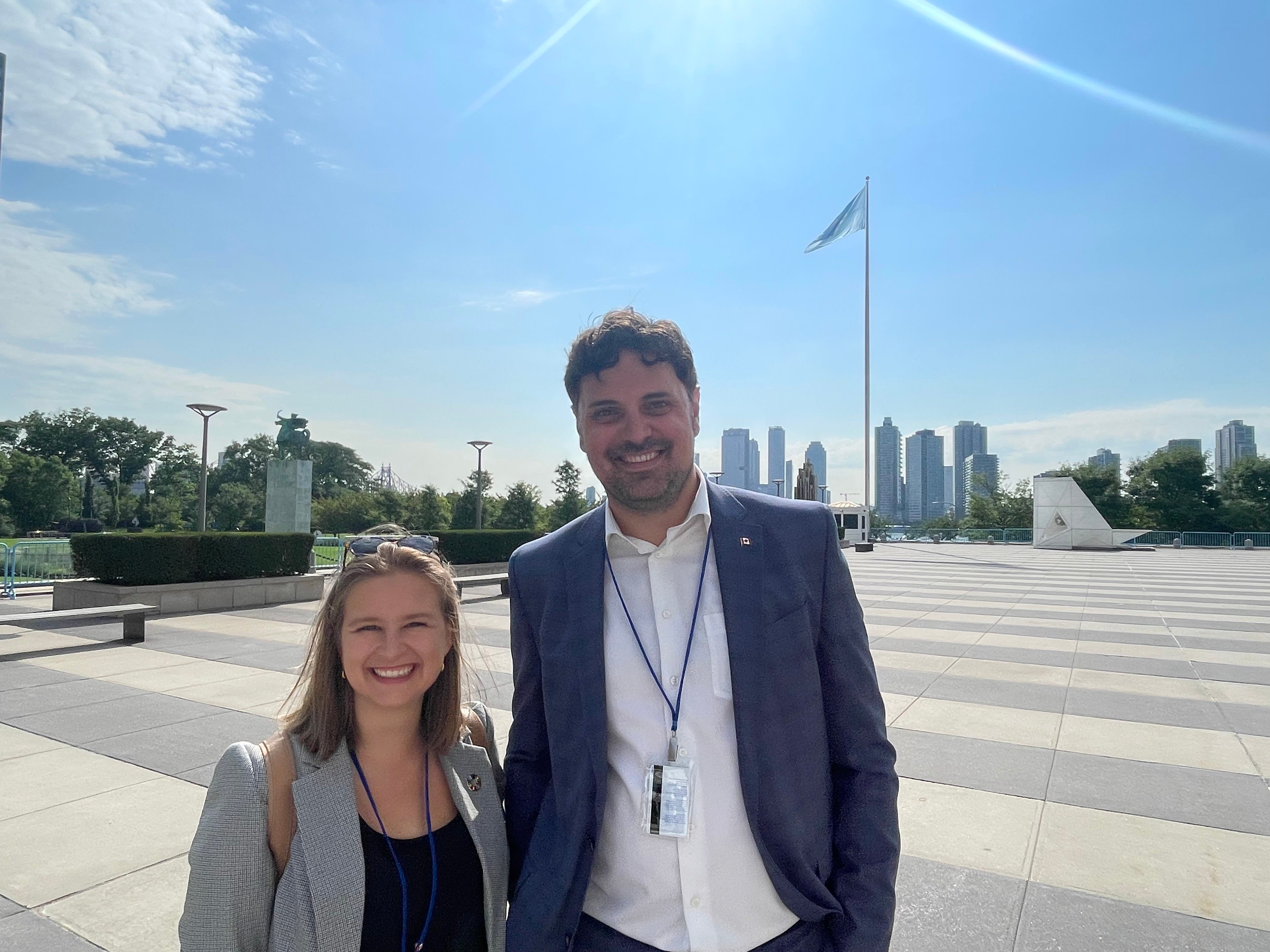
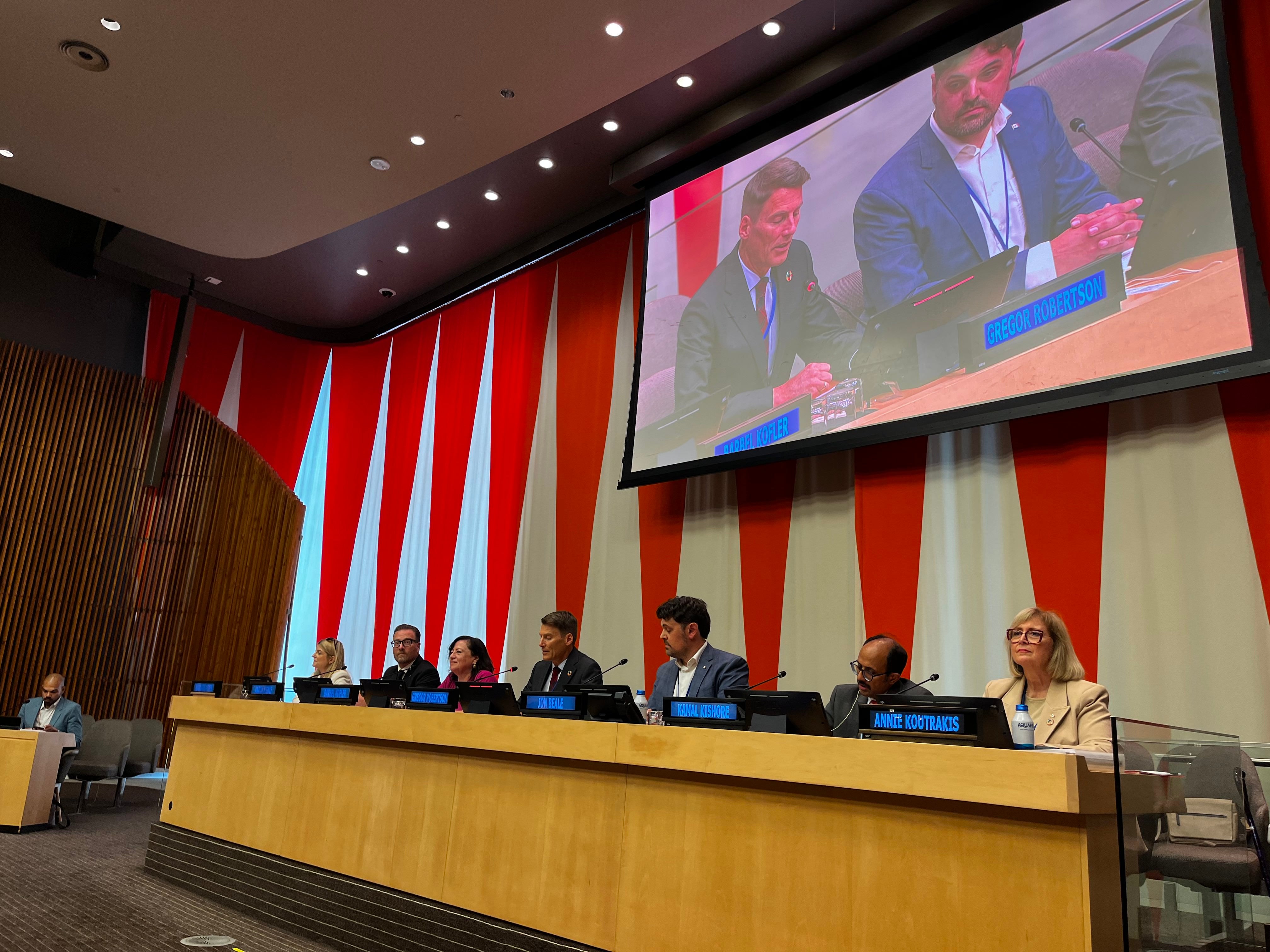
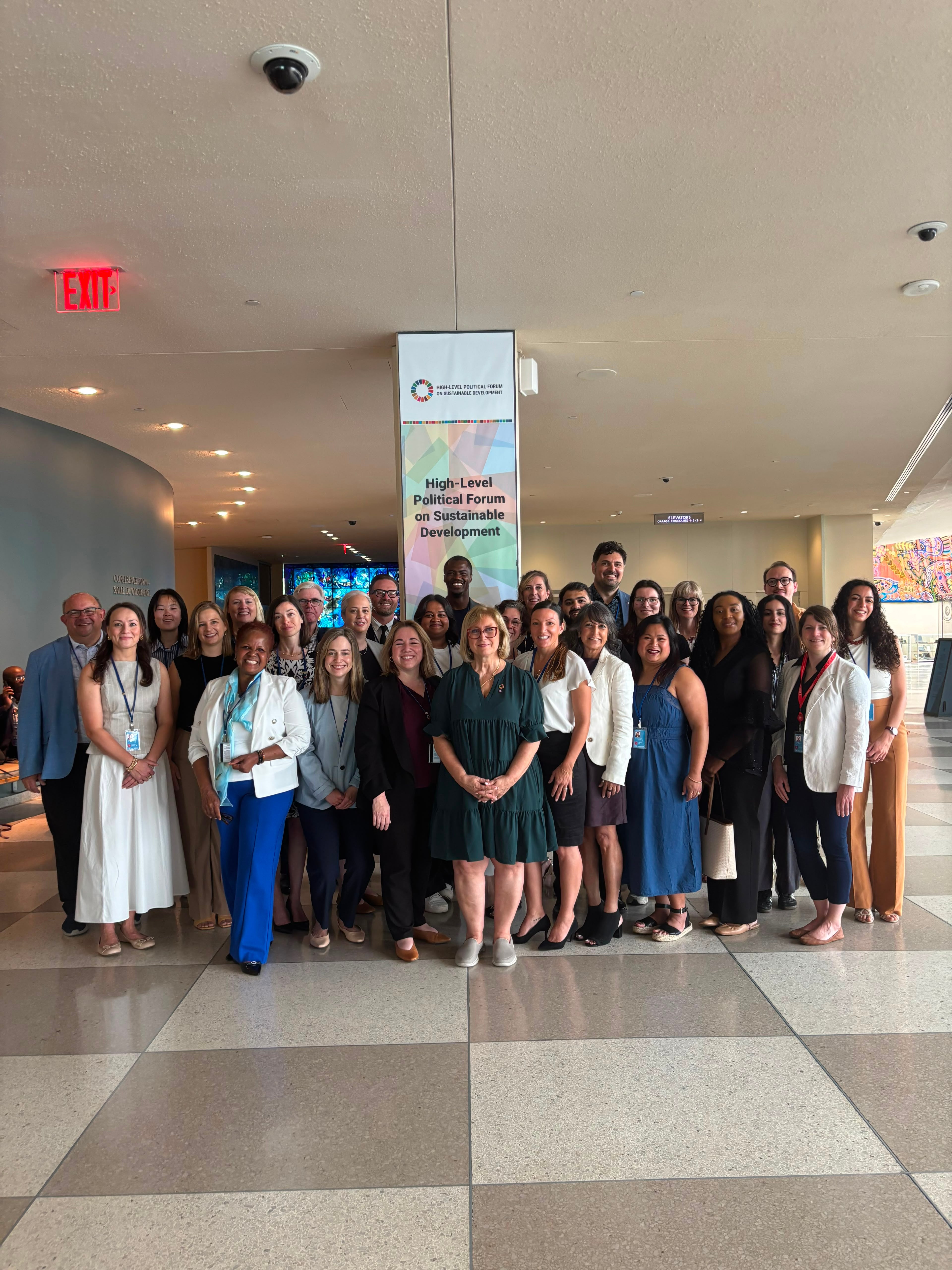
What a week it was at the United Nations for our Local Futures team! We’re home from the 2026 High Level Political Forum, energized by the effort and momentum to advance the SDGs all around the world.
From the start, it was clear that many in the UN community feel the spirit of international cooperation is under threat, driven largely by the undermining of decades long partnerships by the current administration in the United States. It’s within this shaky context that early conversations are starting to be hosted on what comes next for the SDGs after their mandate ends in 2030. It seems this conversation will be much more prominent into 2027, but early indications point to building on the SDGs rather than creating an entirely new agenda, possibly reducing the number of goals listed or focusing on the transformations needed to achieve them.
With less than four years to go in the SDGs mandate, there was a strong message throughout HLPF that we must focus on the implementation of the SDGs. This reminds us of calls by the UN in 2020 to usher in a Decade of Action on the SDGs, which was almost immediately derailed by the Covid-19 pandemic. This time around we don’t have much runway before the SDGs will either be reaffirmed by UN Member States or transformed into something different, so it becomes especially crucial the world sees some implementation wins from the SDGs agenda.




Cities Driving SDG Implementation
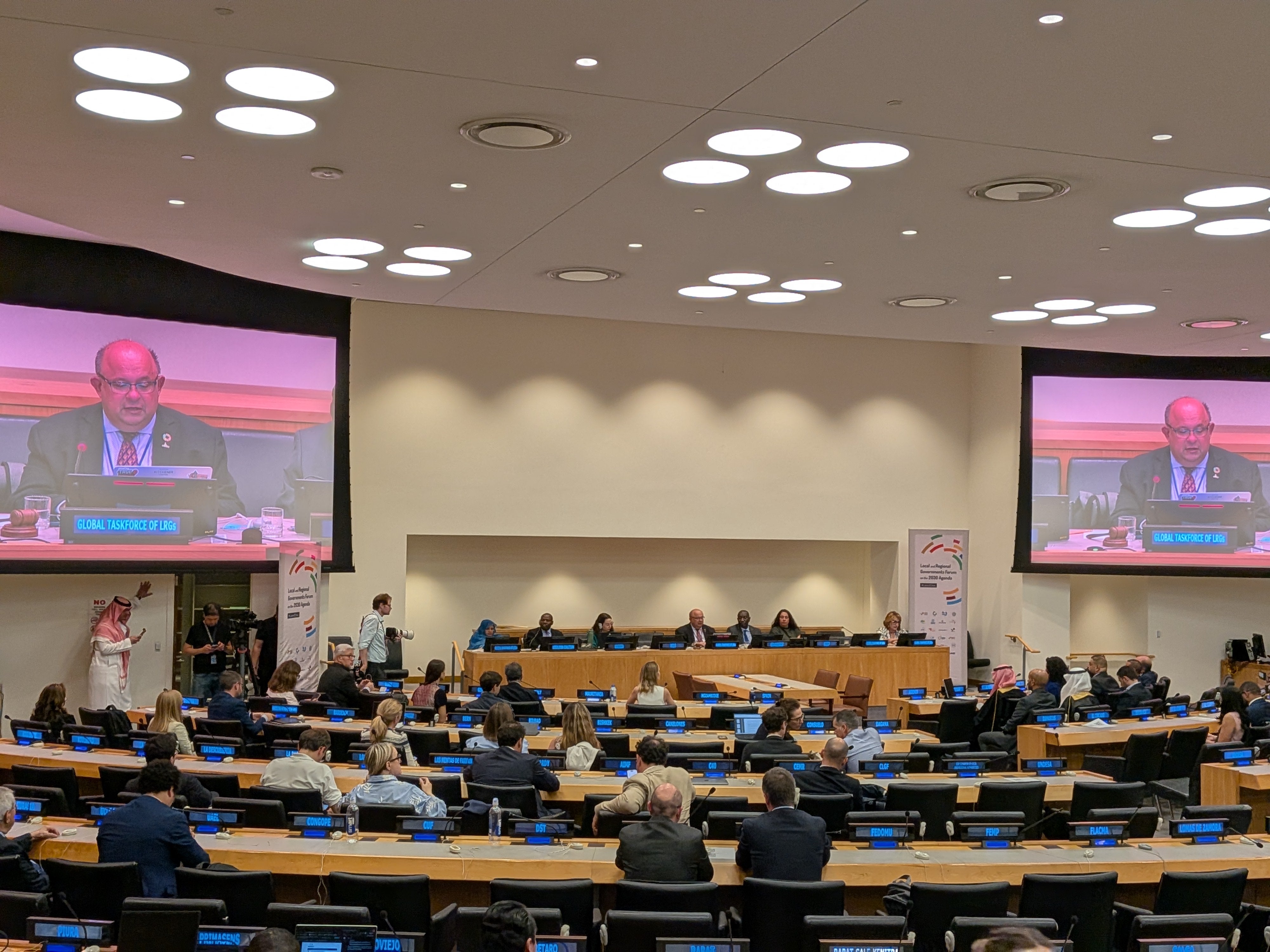
One big area where the implementation of the SDGs has been seeing wins is at the local government level. City governments around the world have been submitting their own progress reports to the UN since 2018 and using the SDGs as a way to create change and bring people together. Many of the sessions we attended at HLPF highlighted that a focus on SDGs localization is a crucial approach for implementing the SDGs and to go further we must make the SDGs part of the machinery of local government. Finding ways to also integrate local progress to inform national reporting needs to be a priority (and is currently a big gap area). Local government has fought for many years (and continues to do so) to have a seat at the table. It is no longer a question on whether local government has a role to play for the SDGs but how they can best be leveraged to accelerate implementation.