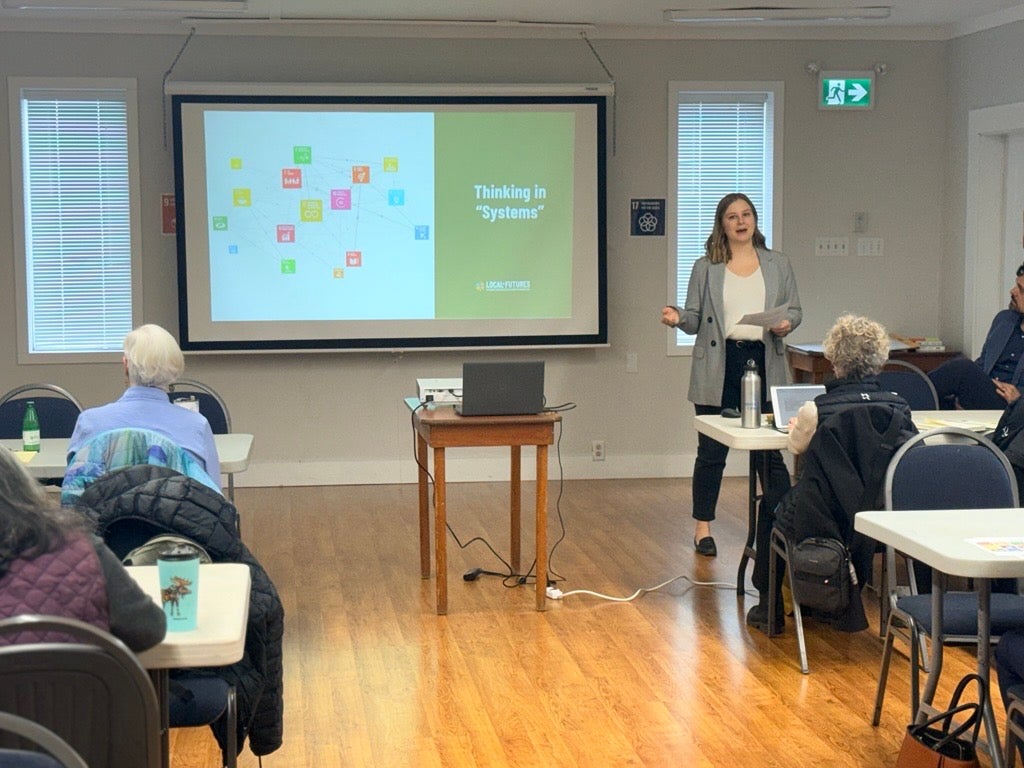
This past spring, we travelled to our five partner communities across Canada — Halifax (NS), Kingston (ON), Kitchener (ON), the Mount Arrowsmith Biosphere Region (BC), and Yorkton (SK) to connect with community members and municipal leaders on their work with the Sustainable Development Goals (SDGs).
In each community we wanted to understand if people were aware of the SDGs, how they were being used, and if they were generally considered useful. We also wanted to explore how the interconnected nature of the SDGs could help frame community challenges using a systems-thinking approach. These findings (and more) will inform the development of the Voluntary Local Reviews for each community.
Here are the main takeaways we heard across all five communities:
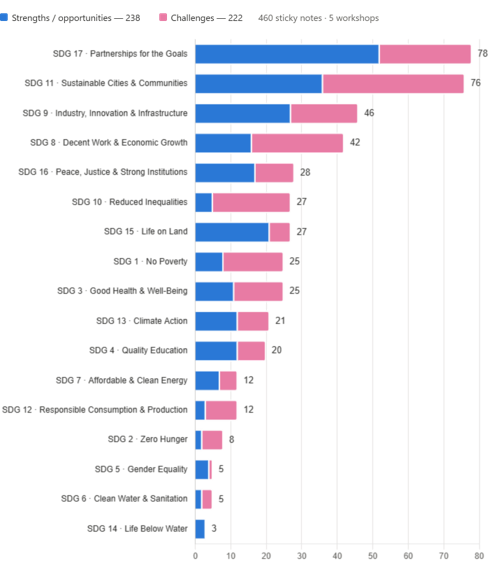
- The vast majority of community organizations and municipal staff/leadership are not using the SDGs agenda in their day-to-day work. It’s clear that everyone is working on the issues the SDGs represent but not using the framework of the SDGs. It was often noted that the 17 SDGs are complicated to communicate to the public (“17 goals are too many”), and while some have found value in using them in strategic planning, integrating them in their everyday work has proved challenging. For those organizations that have invested time into using the SDGs, they have struggled to move from their initial first steps into deeper more widespread adoption. The takeaway is clear: the SDGs struggle to be a good operational framework.
- Collaboration, partnerships, and community networks were the top cited strength for each community. There’s a recognized strong social infrastructure and willingness to work together to get things done. But silos, duplicated effort, and weak coordination were top challenges also identified. The network is there but there are challenges to align parallel effort into shared effort, and goodwill into coordination.
- A connection to nature and the natural environment and strong university and other educational institutions based in community were other top strengths identified. The connection to nature enhances quality-of-life, livability, and community identity, and connections to local educational institutions creates a skilled and experienced resident base to support volunteering, generating new ideas, and partnerships.
- Four dominant challenges surfaced in every community: 1) economic instability and a shortage of good opportunities; 2) housing; 3) funding pressure and austerity; and 4) political barriers, inaction, and lack of will. Housing shows up across every workshop as the single most pervasive stressor. Fiscal strain runs underneath it all with organizations describing their reality as "treading water," budget and staffing cuts, and competition for shrinking grants.
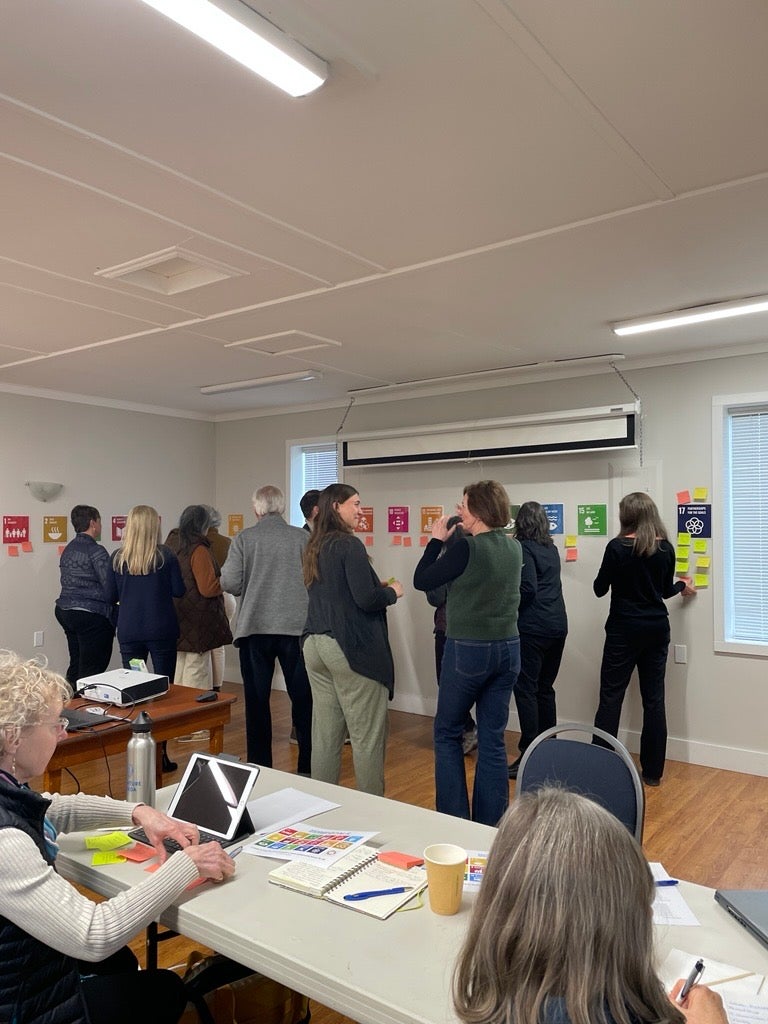
Sticky Notes Activity Results (all 5 communities)
Creating Systems Map to Understand Community Challenges
The SDGs are a systems framework — climate change, clean water, health, and economic growth (among others) are interconnected and shape one another. We wanted to explore those connections in our in-community work: how the SDGs can frame local challenges, and where leverage points might unlock progress across the system.
Building on the sticky-note activity (see graphic above), we took the most-mentioned challenges and built systems maps in small groups, covering a wide range of community challenges such as affordability, aging infrastructure, food insecurity, and population pressure.
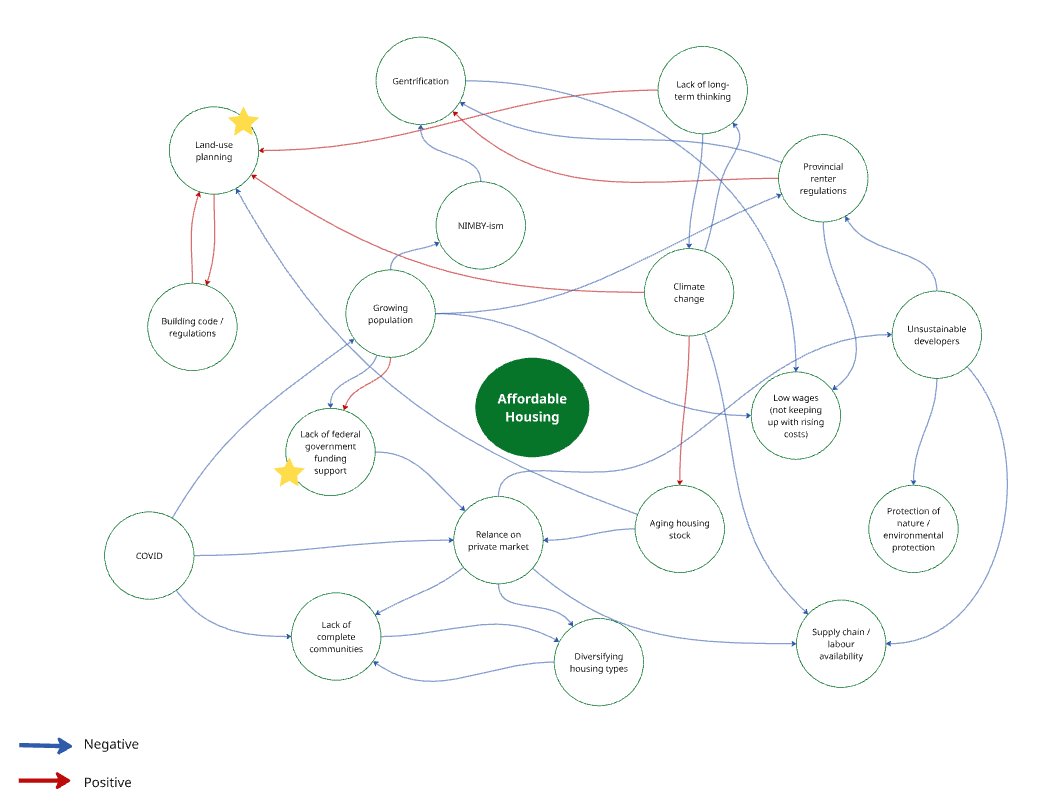
For example, the systems map below from our Halifax workshop places the challenge of affordable housing at the center as a framing question and is surrounded by roughly 18 factors identified by participants as impacting affordable housing in the city. Blue and red arrows mark positive and negative links between the factors. Two gold stars flag land-use planning and federal government funding support as areas participants felt intervention would matter most.
The map clusters into three regions:
- A governance cluster - land-use planning, building codes, NIMBY-ism, renter regulations, short-term thinking.
- A market and delivery cluster - reliance on the private market, developers, supply chain and labour, housing types, aging stock.
- External pressures pushing on both - population growth, climate change, COVID, low wages, environmental protection.
Mapping challenges as part of a larger system is helpful to better understand what feedback loops exist and where action might be impactful. For example, in the Halifax map, a loop runs along the bottom showing how constrained housing supply deepens reliance on the private market to build more, which delivers a narrow band of housing types and incomplete communities, which means fewer affordable options and more reliance on the private market. COVID, climate change, and supply chain pressures amplify the challenge. The starred federal funding gap sits just outside the loop: without non-market supply, it is hard to break the cycle.
Workshop Highlights

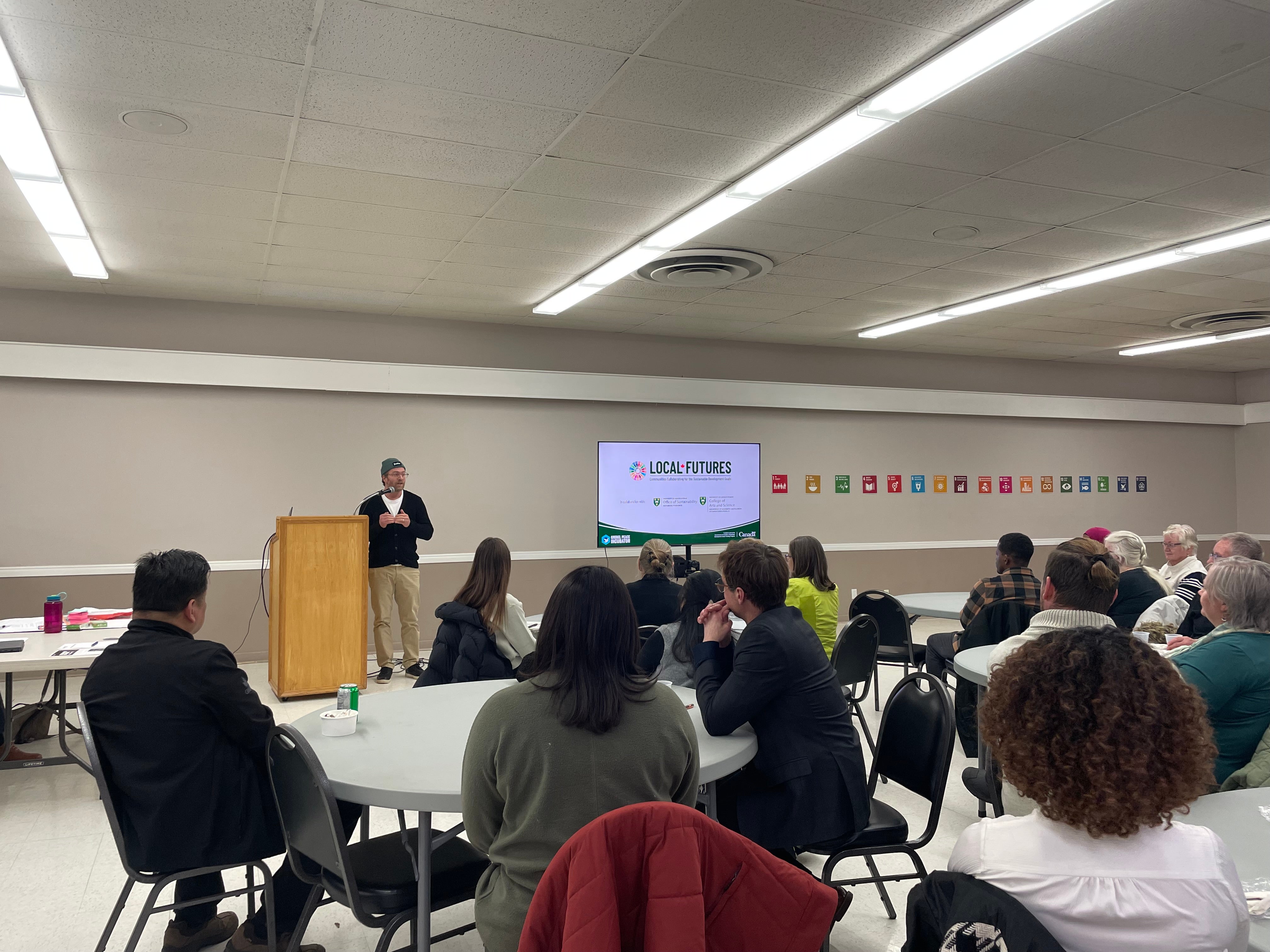
Mayor Kienle presenting at community workshop in Yorkton

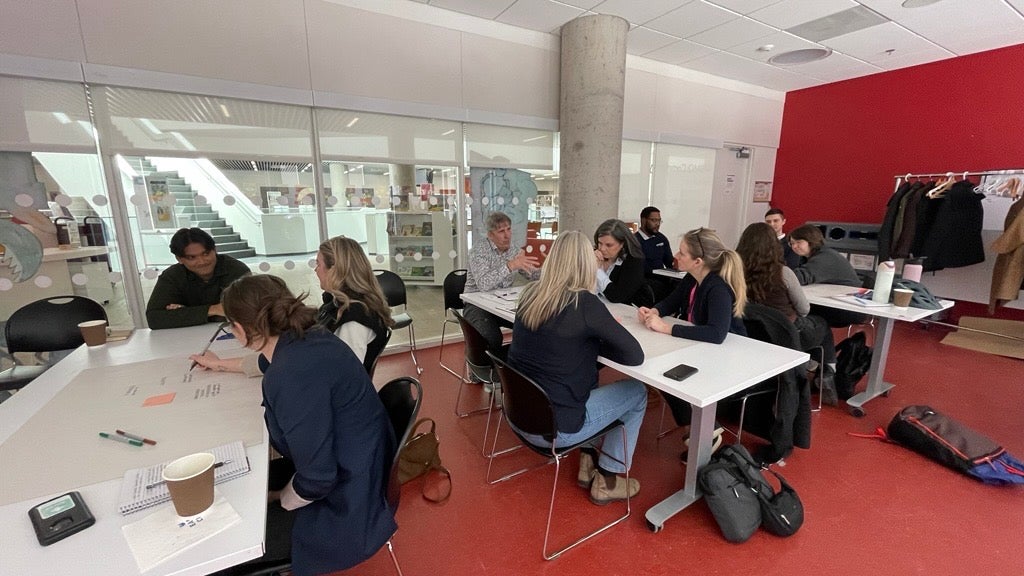
Community workshop in Halifax

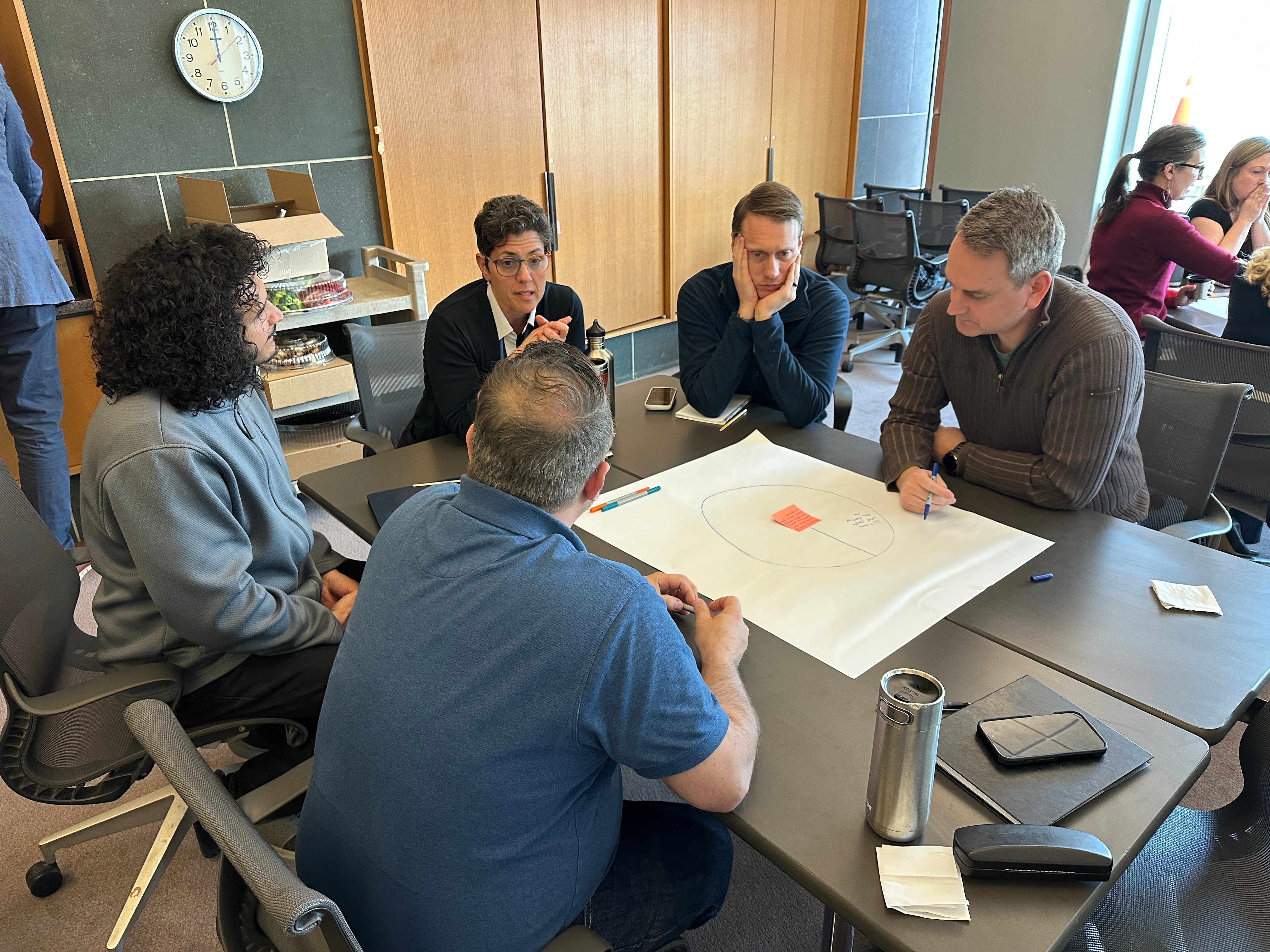
Municipal staff workshop in Kitchener

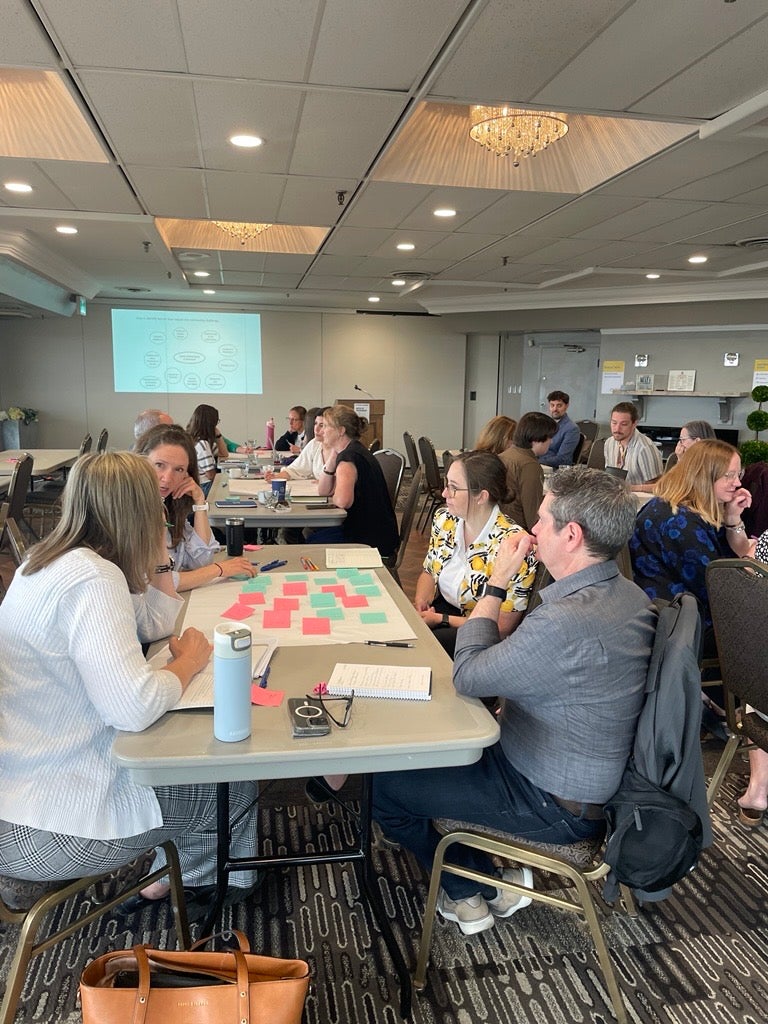
Community workshop in Kitchener

MABR Community Workshop

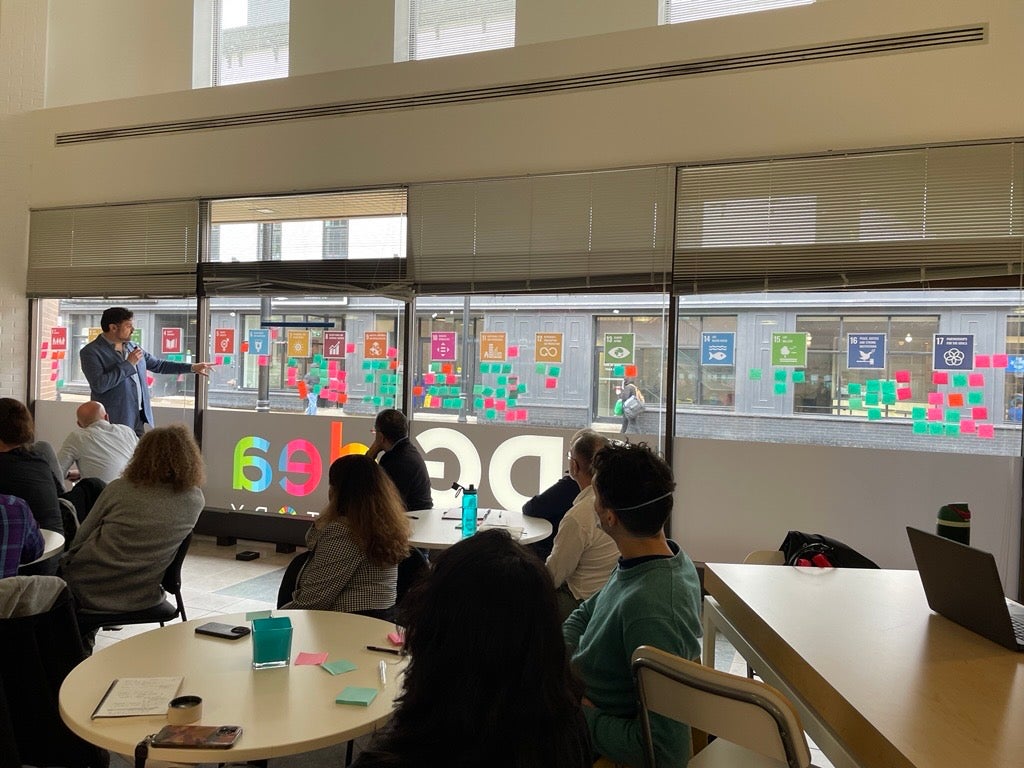
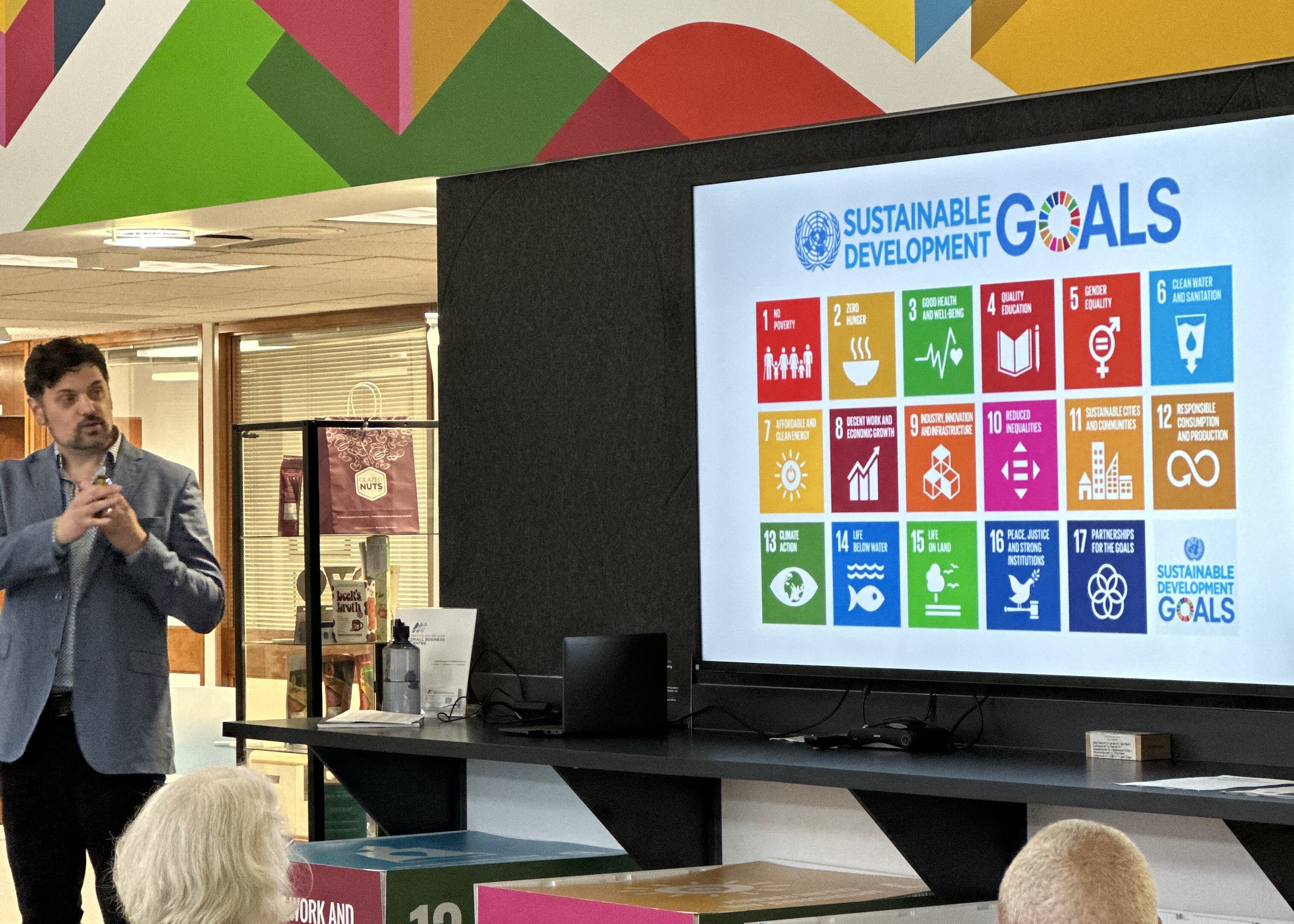
Jon Beale (Local Futures, Director) presenting the SDGs.

Community workshop in Kingston

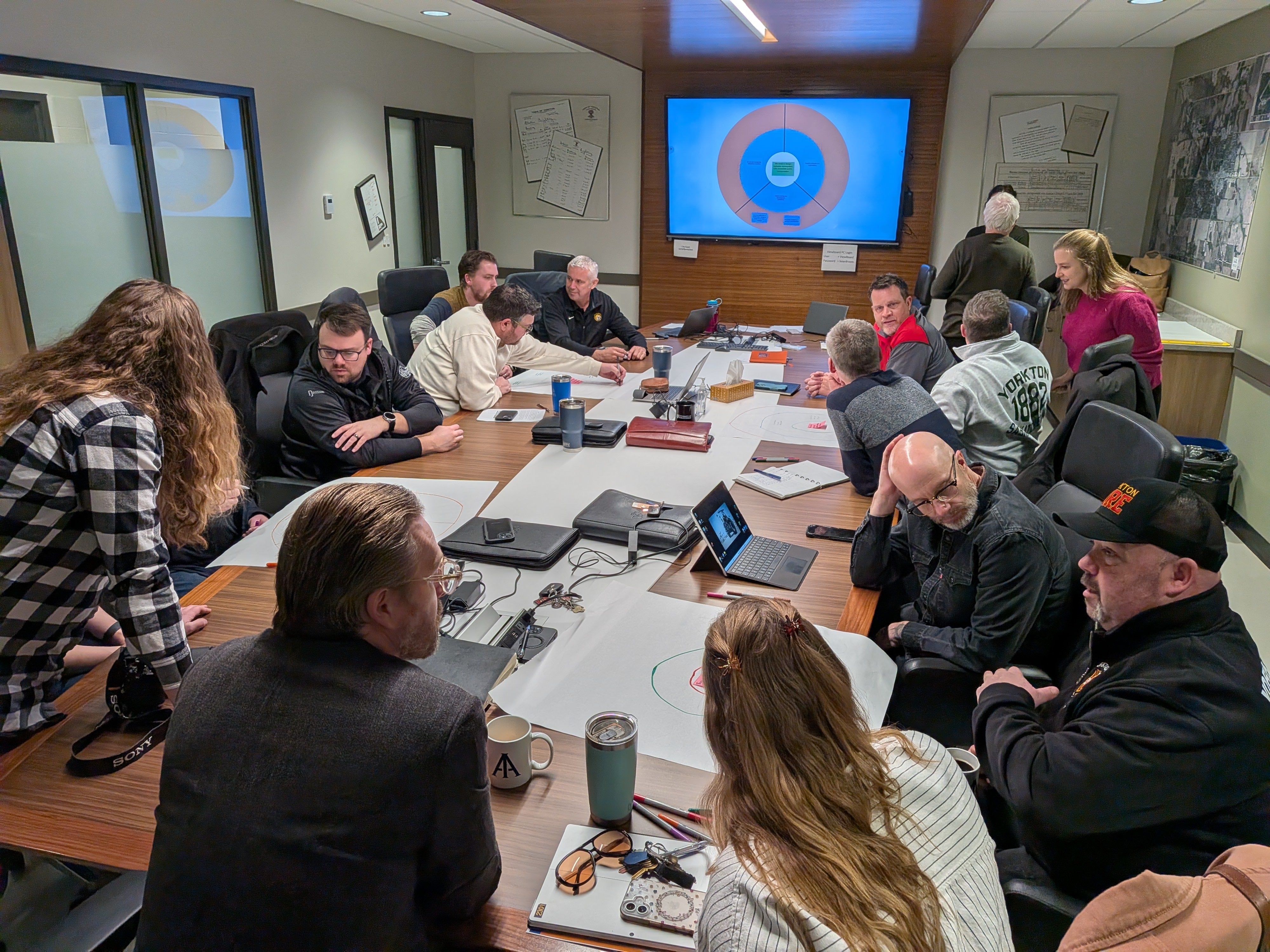
Municipal staff workshop in Yorkton

Laura Carr-Pries (Local Futures) presenting at MABR Community Workshop