The Centre for Interreligious Spirituality and Wisdom Practices (CISWP) is an emerging interdisciplinary hub dedicated to exploring how the world's religious, spiritual, and wisdom traditions can contribute to addressing the most pressing challenges of our time. Grounded in dialogue, research, and collaborative action, the Centre brings together scholars, practitioners, community leaders, and knowledge keepers to advance the common good through wisdom-informed approaches to social and ecological transformation.
At a moment marked by environmental crisis, social fragmentation, and widespread uncertainty, the Centre seeks to foster new conversations and partnerships that draw upon diverse spiritual and ethical traditions while engaging contemporary scholarship and public life. We believe that humanity's rich religious and wisdom traditions offer vital resources for cultivating resilience, meaning, justice, compassion, and collective flourishing.
Our Mission
To advance interdisciplinary research, dialogue, and public engagement that mobilizes interreligious wisdom and spiritual practices in support of planetary wellbeing, human thriving, and community flourishing.

The Planetary Wellbeing Pod explores how religious, spiritual, Indigenous, and wisdom traditions can contribute to ecological sustainability, environmental justice, climate resilience, and renewed relationships between humans and the natural world.
Recognizing that environmental challenges require both rigorous scientific understanding and meaningful social action, the pod supports research that spans the continuum from scientific analysis to community impact. Scholars and partners examine how environmental knowledge can be translated into practices, policies, and community initiatives that foster ecological responsibility, resilience, and collective wellbeing.
Drawing upon interdisciplinary perspectives, researchers investigate questions such as:
-
How do spiritual and ethical traditions shape ecological values and environmental action?
-
What wisdom resources support climate adaptation and resilience?
-
How can scientific research be mobilized to strengthen community responses to environmental challenges?
-
What roles can faith communities, Indigenous knowledge systems, and local organizations play in advancing sustainable futures?
-
How do contemplative and land-based practices deepen connections between people, place, and planet?
Through collaborative research and community engagement, the Planetary Wellbeing Pod seeks to bridge knowledge and action, generating insights that contribute to both environmental understanding and tangible improvements in the wellbeing of communities and ecosystems.

The Human Thriving Pod investigates the role of spirituality, meaning-making, contemplative practices, and ethical traditions in supporting individual wellbeing across the lifespan.
Areas of inquiry include:
-
Spirituality and mental health
-
Meaning, purpose, and resilience
-
Contemplative and wisdom practices
-
Aging, flourishing, and lifelong development
-
Identity, belonging, and personal transformation
By bringing together scholars from multiple disciplines, this pod seeks to deepen understanding of what it means to live well in an increasingly complex world.

The Community Wellbeing Pod examines how religious diversity, interfaith engagement, and wisdom traditions contribute to healthy, inclusive, and resilient communities.
Research themes include:
-
Social cohesion and belonging
-
Religious diversity and pluralism
-
Reconciliation and peacebuilding
-
Community resilience and civic engagement
-
Social innovation and collective wellbeing
The pod explores how communities can draw upon diverse spiritual and cultural resources to foster trust, cooperation, and social flourishing.
Programs and Activities
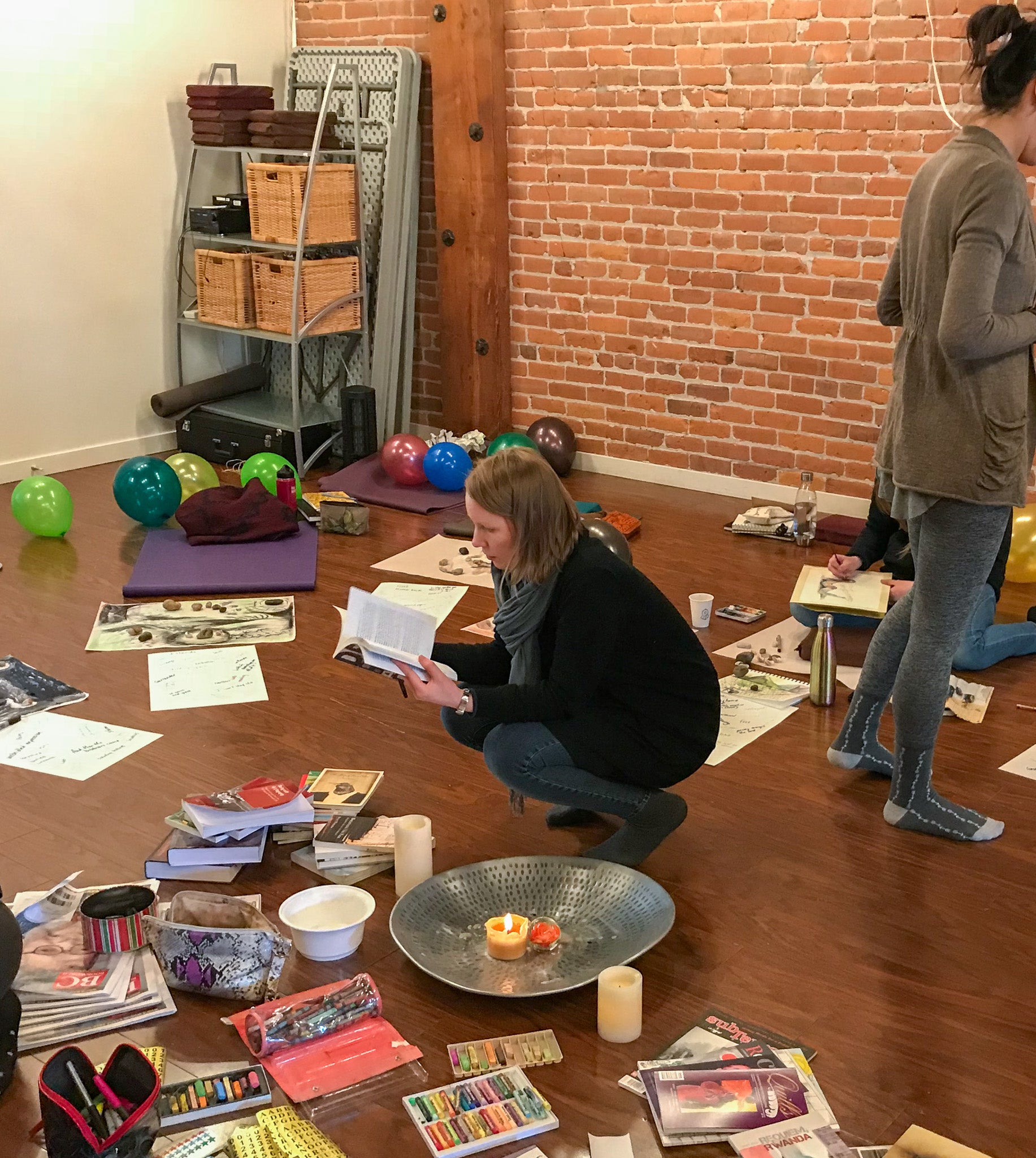
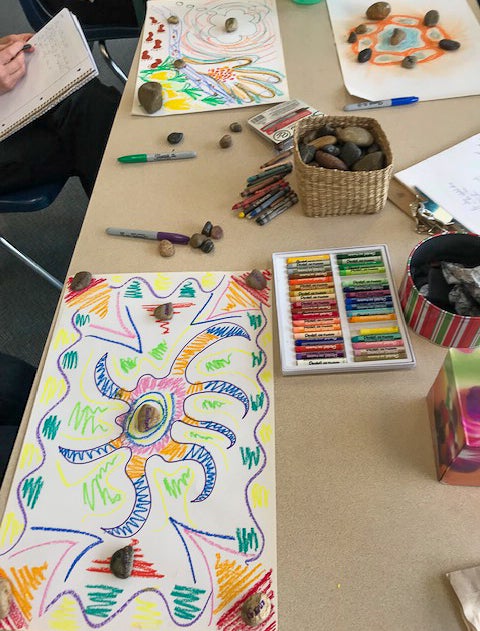
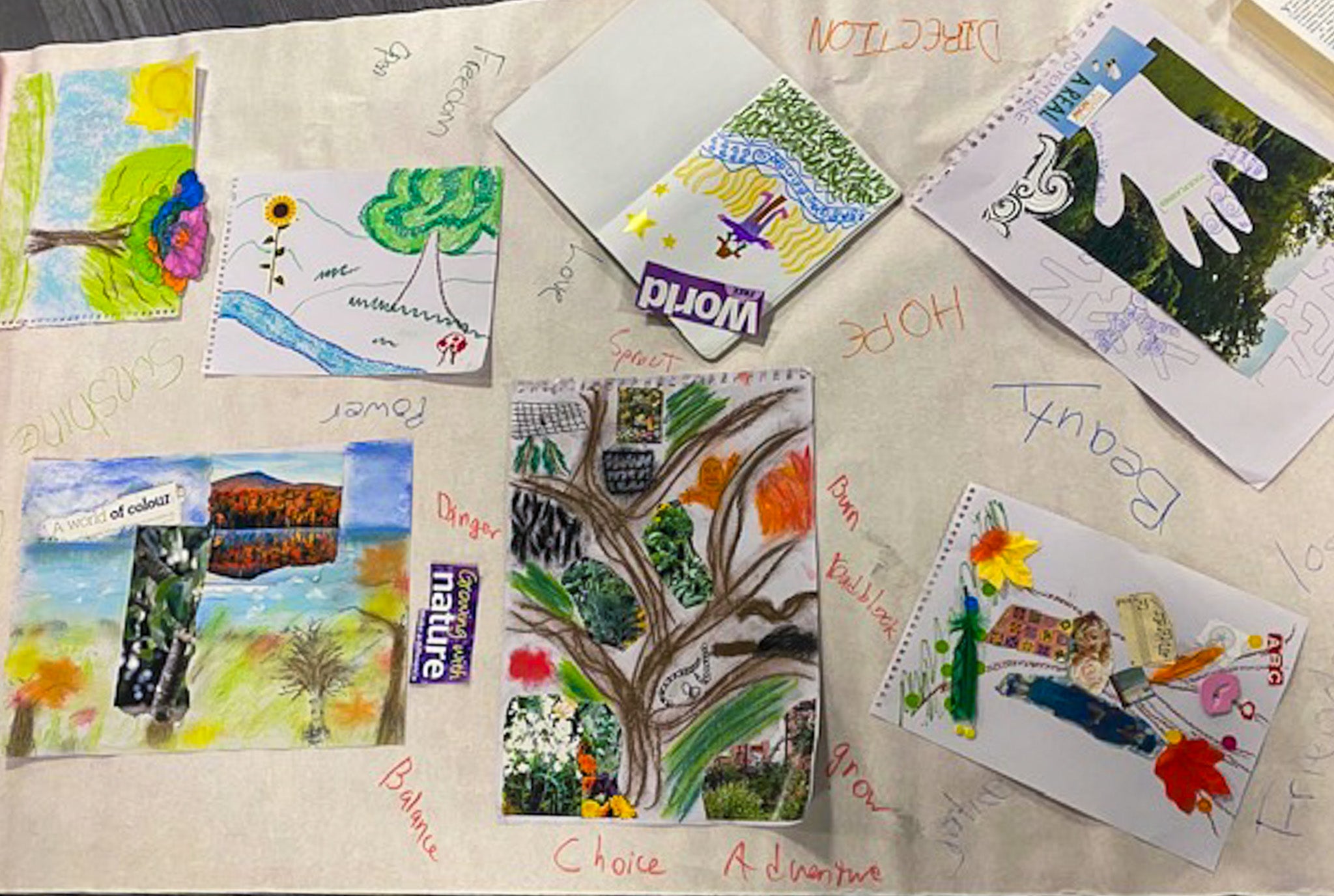
The Centre for Interreligious Spirituality and Wisdom Practices serves as a vibrant platform for learning, dialogue, research, and community engagement. Through a diverse range of offerings—including public online lectures, workshops, retreats, short courses, and interdisciplinary research colloquia—the Centre creates opportunities for scholars, practitioners, students, and community members to explore the wisdom resources of diverse religious and spiritual traditions. These programs foster meaningful conversations across disciplines and communities while supporting the application of research and contemplative practice to contemporary challenges related to planetary wellbeing, human thriving, and community flourishing.



Building a Collaborative Network
As a newly established centre, we are actively cultivating partnerships with universities, research institutes, community organizations, faith communities, and public-sector leaders who share our commitment to advancing wellbeing in all its dimensions.
We are also assembling a Circle of Research Associates—a diverse network of scholars, practitioners, artists, community leaders, and knowledge keepers whose expertise contributes to the Centre's mission and research agenda.
Together, we seek to create a vibrant intellectual and practical community dedicated to generating knowledge, fostering dialogue, and mobilizing wisdom for positive social change.
Join Us
The challenges facing our world cannot be addressed through technical solutions alone. They require wisdom, imagination, ethical reflection, and meaningful collaboration across differences.
The Centre for Interreligious Spirituality and Wisdom Practices invites partners, researchers, students, and communities to join us in exploring how humanity's diverse spiritual and wisdom traditions can contribute to a more just, compassionate, sustainable, and flourishing future for all.