Solids, the underrepresented state of matter
Materials science is the study of our material world. It is using knowledge of the structure, bonding and properties of a substance to optimize its performance in a specific function.
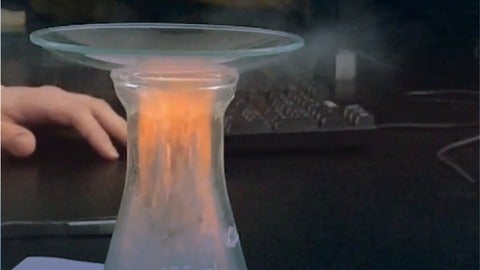
I just had the most wonderful Grade 11 Chemistry lesson that really took off in the final few minutes.
The Merriam-Webster dictionary defines photochromic(1) as: “capable of changing color on exposure to radiant energy (as light), e.g., photochromic glass”. Photochromic eyeglass lenses were introduced in 1966, and photochromic plastic lenses....
Why is the heavy metal element gadolinium utilized in MRI scanning? Is there any chemistry involved? Yes. Read on.
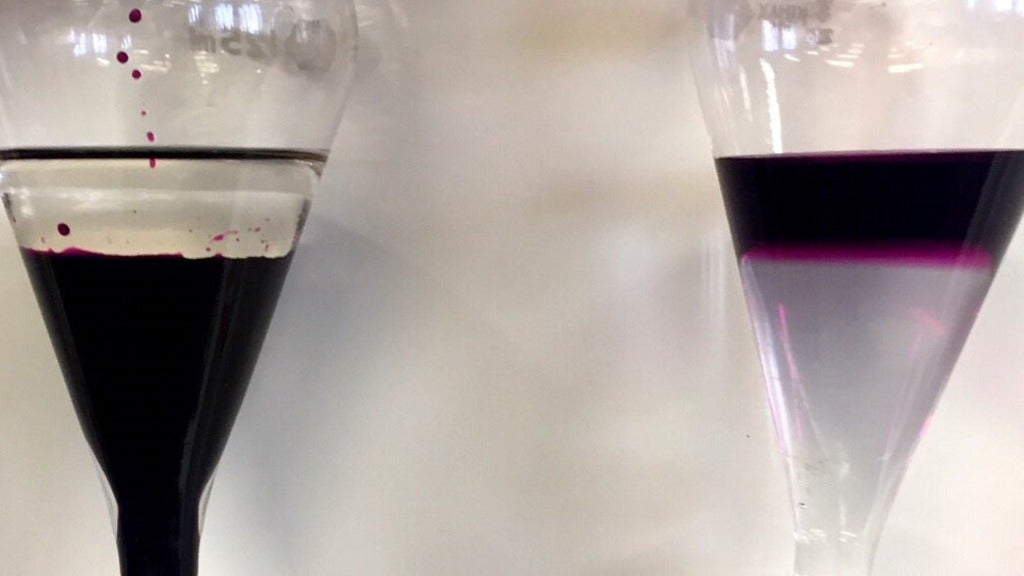
We’ve gotten more mileage out of this simple lab than anything else we’ve ever done! We must admit it is easy and fast — with no disposal issues. We basically are separating water from a colored solution by boiling and collecting the water on a cold finger — created with inexpensive aluminum foil filled with ice.
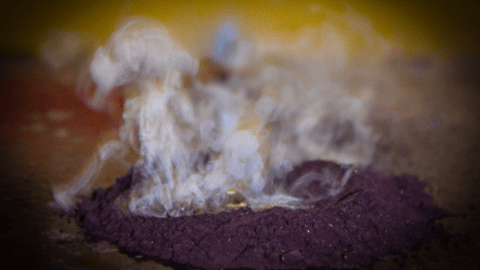
For years I believed that solid iodine, I2, only underwent sublimation when heated at atmospheric pressure. I was so wedded to this idea that I performed the demonstration for years.
Consulting the print edition of the Canadian Compendium of Pharmaceuticals and Specialties1 (CPS) for the product monograph of the drug Bisoprolol, my attention strayed to the immediately preceding entry Bismutal...
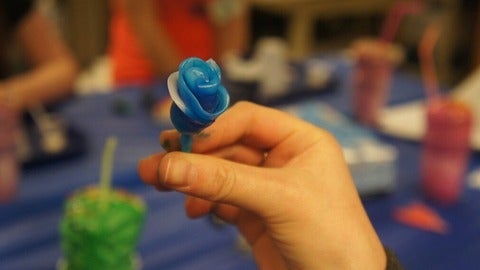
Elaine “Lainey” Williams learned the procedure for the thermoplastic shaping activity, tried out various combinations of the dyes, instructed her classmates and shared this activity with 4th to 6th grade girls who recently participated in the FEMMES (Females Engaged in More Math, Engineering, and Science) Capstone event. The following are Lainey’s thoughts about learning the procedure, the underlying chemical concepts and sharing the thermoplastic activity with others.
Oobleck, a mixture of cornstarch and water, derives its name from the story “Bartholomew and the Oobleck” by Dr. Seuss (Random House), in which the king, tired of the rain, snow, and sleet falling from the sky, wishes for something different. Soon his wish is granted; green, sticky, gooey oobleck falls making a mess of his kingdom, leading the king to regret his wish. Bartholomew saves the day by getting the king to say the magic words, “I’m sorry.”