Algonquin field experience empowers Environment students
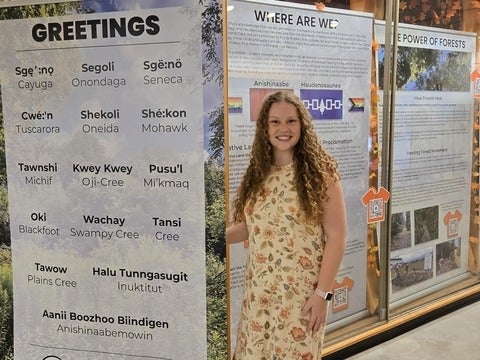
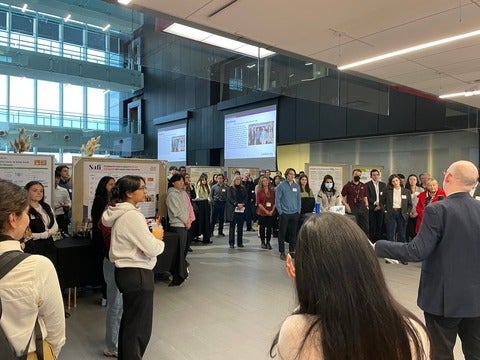
This spring, five Environment students were awarded spots to attend a five-day overnight field experience

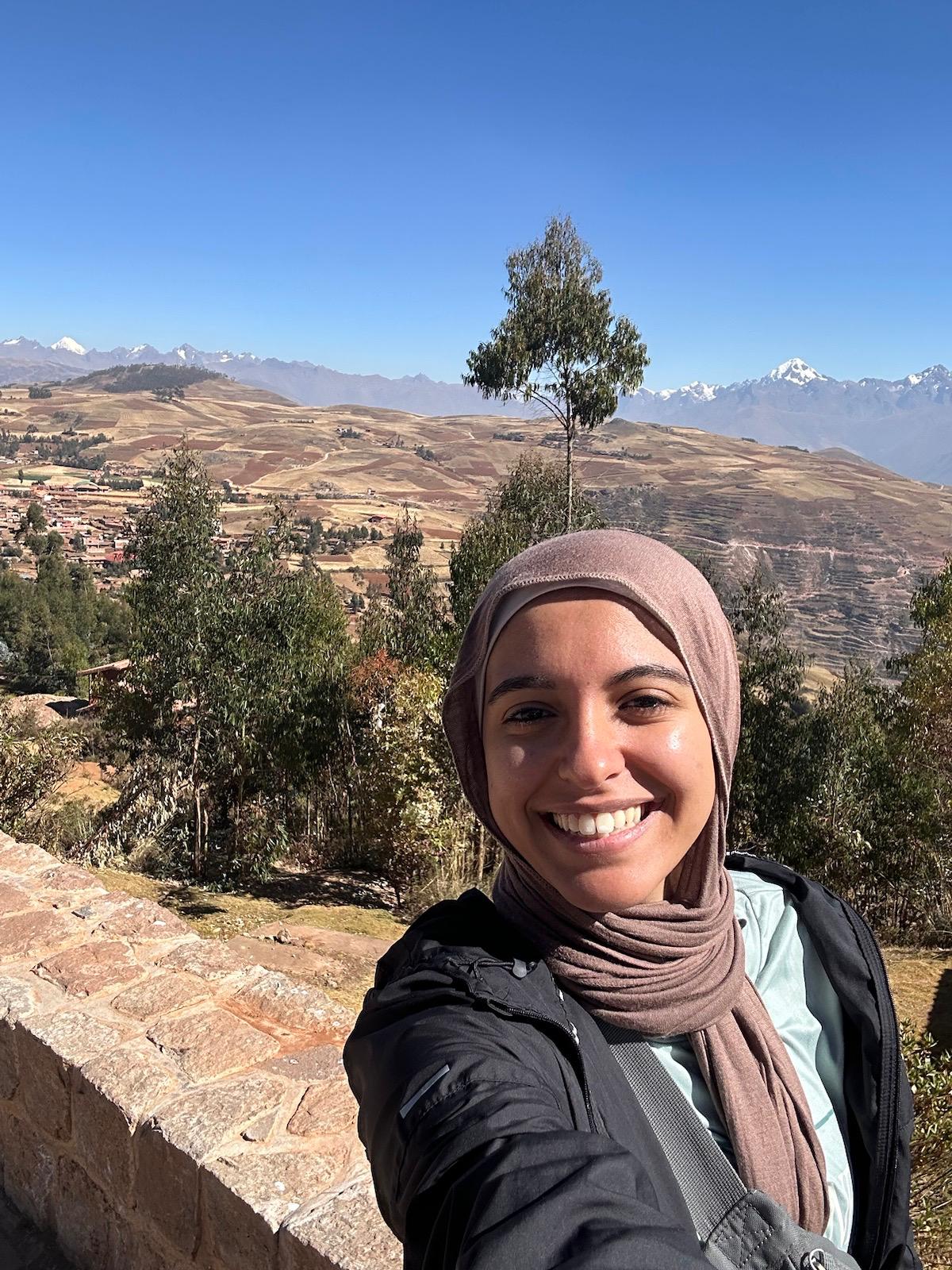
As she prepares to cross the stage at Spring 2024 Convocation, she smiles broadly recounting how her interest in geography has taken her to so many unique places around the world in pursuit of her degree.
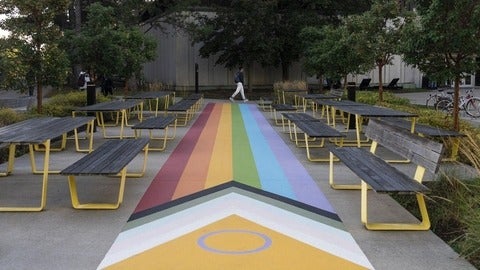
Rainbow crosswalks have become both a symbol and a battleground of queer visibility. While some hail them as beacons of safety and inclusivity, others see them as a symbol of tokenism in lieu of more important allyship.

With the UN Decade on Ecosystem Restoration well underway, one message is taking center stage – we need to restore biodiversity on our planet.
A new study, led by researchers in the Faculty of Environment, has uncovered details on Canada’s ecological restoration practices. By synthesizing insights from 50 years of Canadian academic research, they identified which ecosystems are being studied, and where.
Thanks to a transformational $10 million donation from Caivan Group (Caivan), one of Canada’s leading real estate developers, co-founded by Waterloo alumni Frank Cairo (BES ’05) and Troy van Haastrecht (BASc ’93), the University has embarked on a bold new mission to create healthier, more prosperous cities with the launch of the Future Cities Institute founded by CAIVAN (FCI).
Living in society means we are under the influence of others. This power can impact our behaviors and actions, which can result in both positive and negative results. For Mohamed Yousuf, the power of influence formed an integral part of his graduate studies research.
Plastics make up more than half of marine litter and, in 2020, over 700 million pounds
In a bid to meet growing food production and energy needs in low- and middle-income countries, solar-powered groundwater irrigation is rapidly gaining ground. More than 500,000 solar pumps have been installed in south Asia over the last few years and a major expansion is planned across sub-Saharan Africa.
This past October, Grand River Transit staff proposed service changes for 2024 with recommendations to reduce evening service on the Ion light rail in favour of a slightly more frequent daytime schedule that would complicate departure times.
“When I first heard about the preliminary Grand River Transit budget where the off-peak hours would be cut from every 15 minutes to 30 minutes, I was shocked,” says Rodney Chan, a third-year undergraduate student in the School of Planning.
Farmers feed cities, or so the saying goes. But more than a snappy line it captures the reality of Canada where a few hundred thousand people diligently working the land put food on the tables of tens of millions of people across the country.