Current students

Friday, October 8, 2021

Redesigning with innovation in mind

by Natalie Quinlan, University Relations

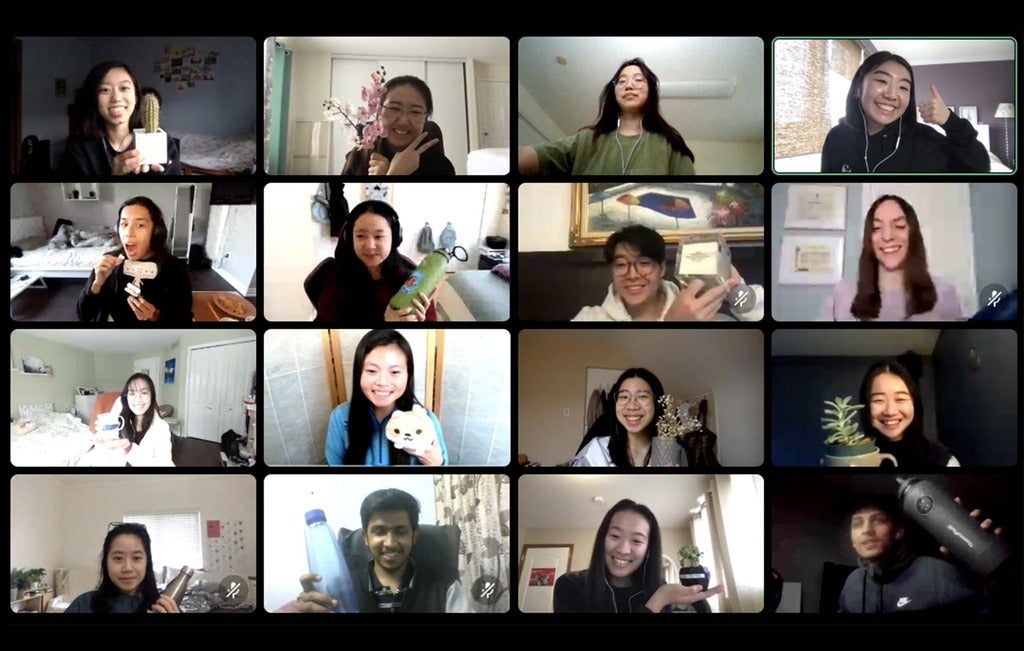
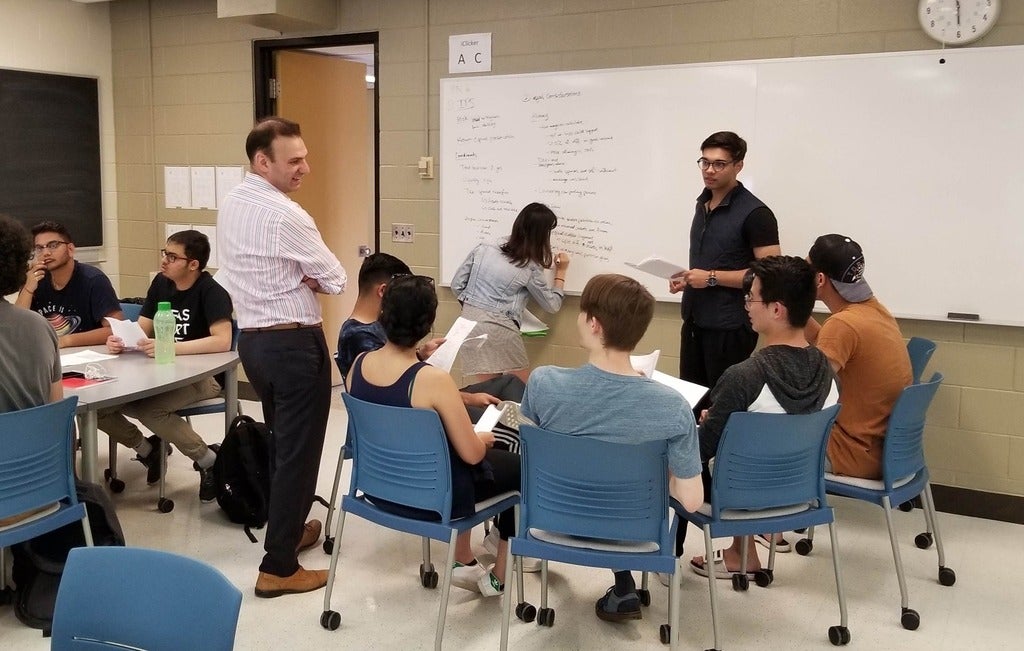
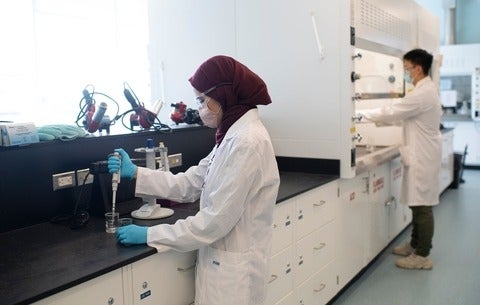
COVID-19 has reshaped the way educators around the world teach and students learn. Fading are the days where rows of desks facing the front of the classroom are standard practice. Instead, reliance on heightened opportunities with technology integrated with flexible learning schedules and environments is paving the way for a revolution in education. The pandemic has, in many ways, forced changes in teaching and learning that will remain present even after it’s over.
Thursday, October 7, 2021

Excelling in an unprecedented time

by Namish Modi , Office of Advancement

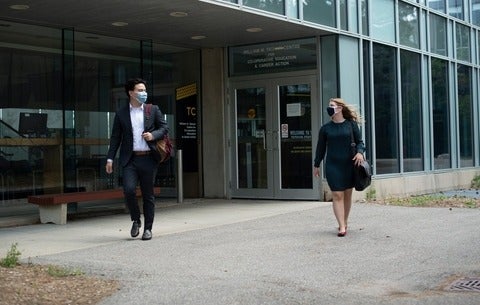
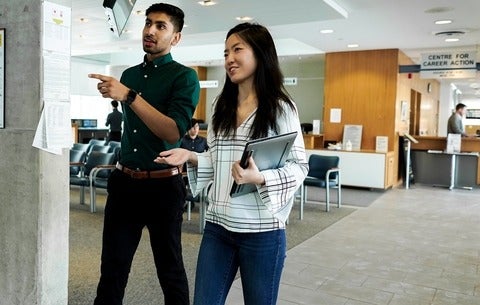
From facilitating affordable, accessible energy to encouraging students to think beyond their job descriptions, empowering students was a common theme for many employers in 2020.  Many employers continue to find new ways to prepare students for a future none of us would have pictured.

Amid the COVID-19 pandemic, work, and the future of work, has changed considerably. Companies saw their workforce, including some co-op students, working from different countries and some moved to fully remote work.

Monday, September 27, 2021

Toronto-Waterloo startup ecosystem rises in global rankings

by Melanie Scott, University Relations

The Toronto-Waterloo startup ecosystem has risen four spots in the recently released 2021 Global Startup Ecosystem Report (GSER) by Startup Genome. The report ranks 140 ecosystems around the world and highlights Toronto-Waterloo as one of the year’s biggest movers, moving up in the rankings from 18th in 2020 to 14th in 2021. The University of Waterloo, along with the Region, MaRS Discovery District and Communitech, worked closely with Startup Genome to highlight Toronto-Waterloo’s strengths.  

Friday, September 24, 2021

Aviation research takes off virtually on campus

by Elizabeth Kleisath, Faculty of Science

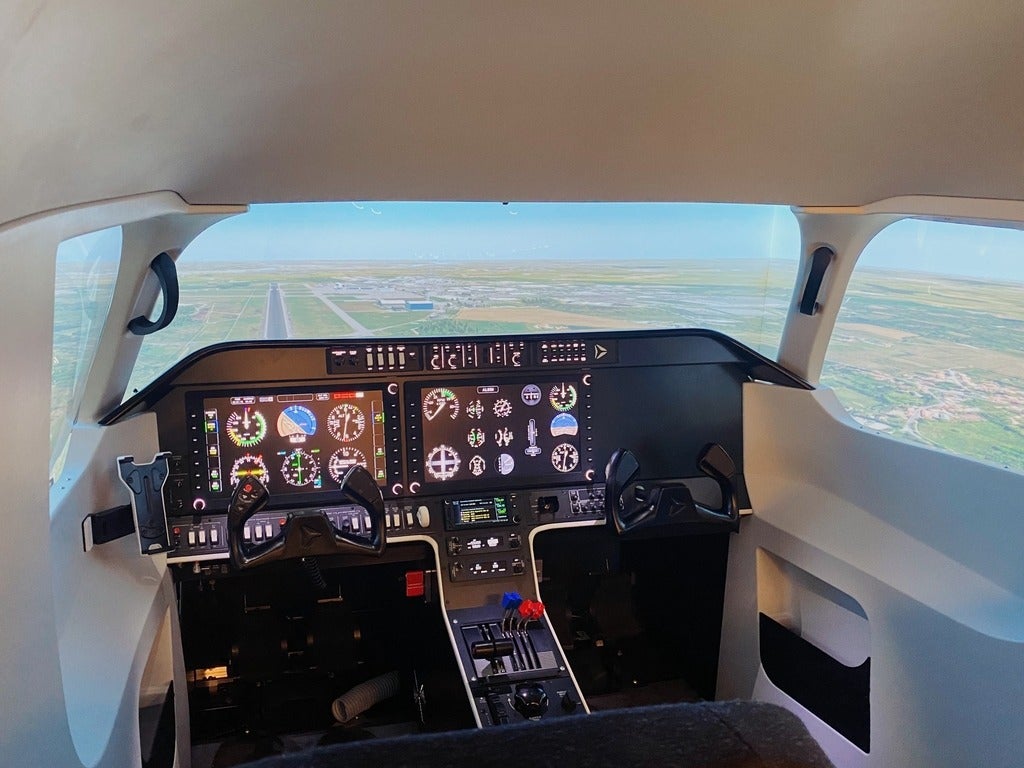
The University of Waterloo has recently undertaken a significant step forward in promoting aviation research on campus, through the purchase of a new flight simulator.

The new flight simulator will allow researchers to have priority access to a simulator, which although common technology within flight school settings — including the Waterloo Wellington Flight Centre — they usually prioritize student flight training instead of research efforts.

Thursday, September 23, 2021

Waterloo rises in employability rankings

by Natalie Quinlan, University Relations

The University of Waterloo has risen to 24th in the world and top 5 per cent among participating institutions for the 2022 QS Graduate Employability Rankings. With an overall improvement of one spot from 2020 (no rankings were released in 2021), Waterloo saw year-over-year gains across all indicators including:

Wednesday, September 22, 2021

Reducing human error for passenger safety

by Angie Docking, Eugenia Xenos Anderson and Wendy Philpott, Communication Officers

Most aviation accidents are caused by human error. Human factors, such as eyesight, fatigue, decision-making, all pose challenges to air travel safety. Leveraging institutional strength in psychology, kinesiology and vision science, research members of the University’s new Waterloo Institute for Sustainable Aeronautics (WISA) are working to offer evidence-based solutions to reduce pilot error.

Monday, September 20, 2021

Reclaiming a historical figure ahead of her time

by Wendy Philpott, Faculty of Arts

The Department of English faculty boasts an impressive group of published poets and novelists, giving great credibility to their new specialization in Creative Writing. Now they can add a children’s author to this complement of expertise with the publication of Professor Jennifer Harris’ picture book, She Stitched The Stars: A Story Of Ellen Harding Baker's Solar System Quilt (Albert Whitman & Company), available in bookshops this October.

Friday, September 17, 2021

Hack the North 2021

by Jon Parsons, Faculty of Mathematics

Most students develop an interest in technology and programming long before they begin their post-secondary education.

The path to becoming a developer, analyst or software engineer does not usually start in a computer science course at university, but in the opportunities available to students outside the classroom.

Hack the North is just this kind of event that allows students to gain valuable skills, learn about the tech industry’s culture and network with like-minded peers who share their interests.