Future students

Thursday, October 14, 2021

Advocating for a better world

by Carol Truemner, Faculty of Engineering

A social activist who started Waterloo’s software engineering program this semester is passionate about seeing what she can accomplish as a new student.

Charlene Rocha brings with her a wide range of experience from leading climate change events and strikes at Queen’s Park to heading up a Canadian high school chapter of an initiative to 3D print prosthetic limbs and advocating for women in STEM.

Thursday, October 14, 2021

Motivated to help others

by Eugenia Xenos Anderson, Faculty of Health

This fall, 274 Faculty of Health graduands will celebrate their achievements as students and begin their journeys as alumni of the University of Waterloo. Some will pursue graduate studies, others will be embarking on new careers – but all will be doing what Health graduates do: Improving the health and well-being of individuals, communities or populations.

We asked a couple of graduating students to tell us what motivated them during their studies and what they will miss most as they move on to a new phase of their lives:

Friday, October 8, 2021

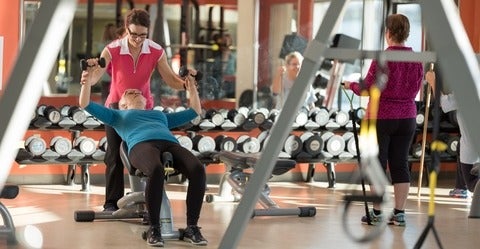
Fighting breast cancer with exercise

by Eugenia Xenos Anderson, Faculty of Health

Every day in 2020, it is estimated that 75 Canadian women were diagnosed with breast cancer, says Marina Mourtzakis, a Kinesiology and Health Sciences researcher at the University of Waterloo. “That’s approximately 27,400 women with a diagnosis, representing 25 per cent of all new cancer cases in women.”

Friday, October 8, 2021

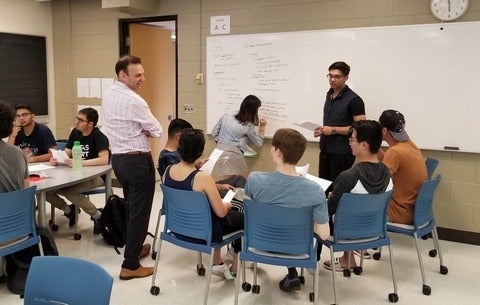
Redesigning with innovation in mind

by Natalie Quinlan, University Relations

COVID-19 has reshaped the way educators around the world teach and students learn. Fading are the days where rows of desks facing the front of the classroom are standard practice. Instead, reliance on heightened opportunities with technology integrated with flexible learning schedules and environments is paving the way for a revolution in education. The pandemic has, in many ways, forced changes in teaching and learning that will remain present even after it’s over.

Monday, September 27, 2021

Toronto-Waterloo startup ecosystem rises in global rankings

by Melanie Scott, University Relations

The Toronto-Waterloo startup ecosystem has risen four spots in the recently released 2021 Global Startup Ecosystem Report (GSER) by Startup Genome. The report ranks 140 ecosystems around the world and highlights Toronto-Waterloo as one of the year’s biggest movers, moving up in the rankings from 18th in 2020 to 14th in 2021. The University of Waterloo, along with the Region, MaRS Discovery District and Communitech, worked closely with Startup Genome to highlight Toronto-Waterloo’s strengths.  

Friday, September 24, 2021

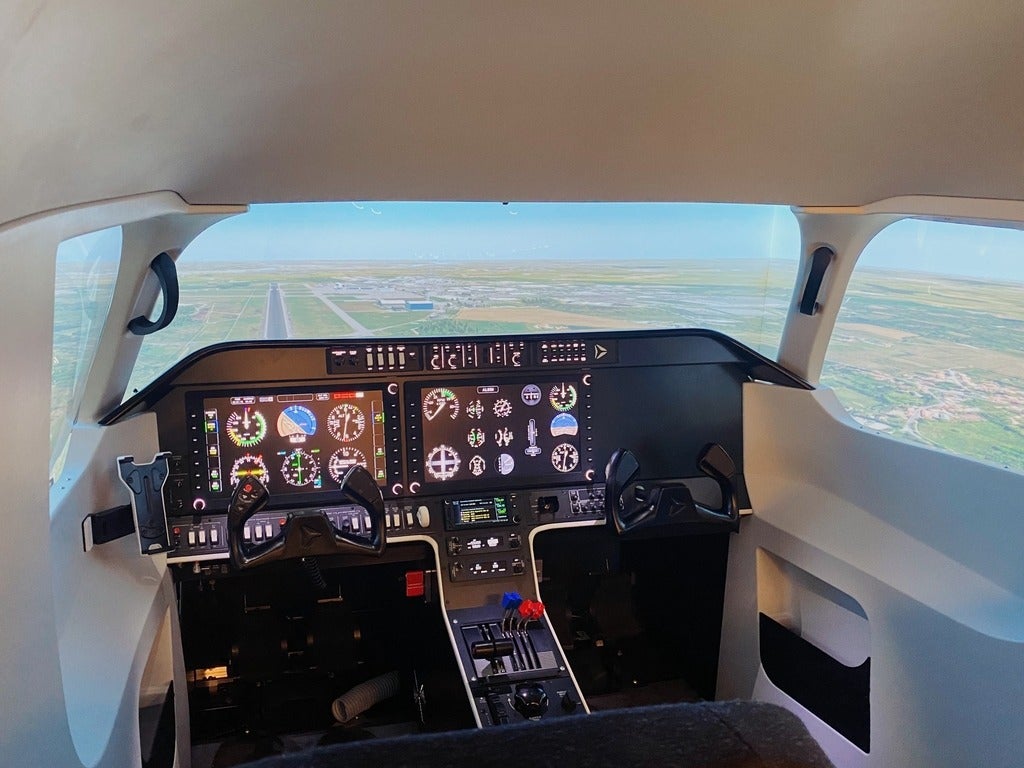
Aviation research takes off virtually on campus

by Elizabeth Kleisath, Faculty of Science

The University of Waterloo has recently undertaken a significant step forward in promoting aviation research on campus, through the purchase of a new flight simulator.

The new flight simulator will allow researchers to have priority access to a simulator, which although common technology within flight school settings — including the Waterloo Wellington Flight Centre — they usually prioritize student flight training instead of research efforts.

Thursday, September 23, 2021

Waterloo rises in employability rankings

by Natalie Quinlan, University Relations

The University of Waterloo has risen to 24th in the world and top 5 per cent among participating institutions for the 2022 QS Graduate Employability Rankings. With an overall improvement of one spot from 2020 (no rankings were released in 2021), Waterloo saw year-over-year gains across all indicators including:

Wednesday, September 22, 2021

Reducing human error for passenger safety

by Angie Docking, Eugenia Xenos Anderson and Wendy Philpott, Communication Officers

Most aviation accidents are caused by human error. Human factors, such as eyesight, fatigue, decision-making, all pose challenges to air travel safety. Leveraging institutional strength in psychology, kinesiology and vision science, research members of the University’s new Waterloo Institute for Sustainable Aeronautics (WISA) are working to offer evidence-based solutions to reduce pilot error.