Turning the body's own cells into better medicine
Nanoscience researcher Dr. Ruibing Wang joins the University of Waterloo as an Eddie Goldenberg Research Chair
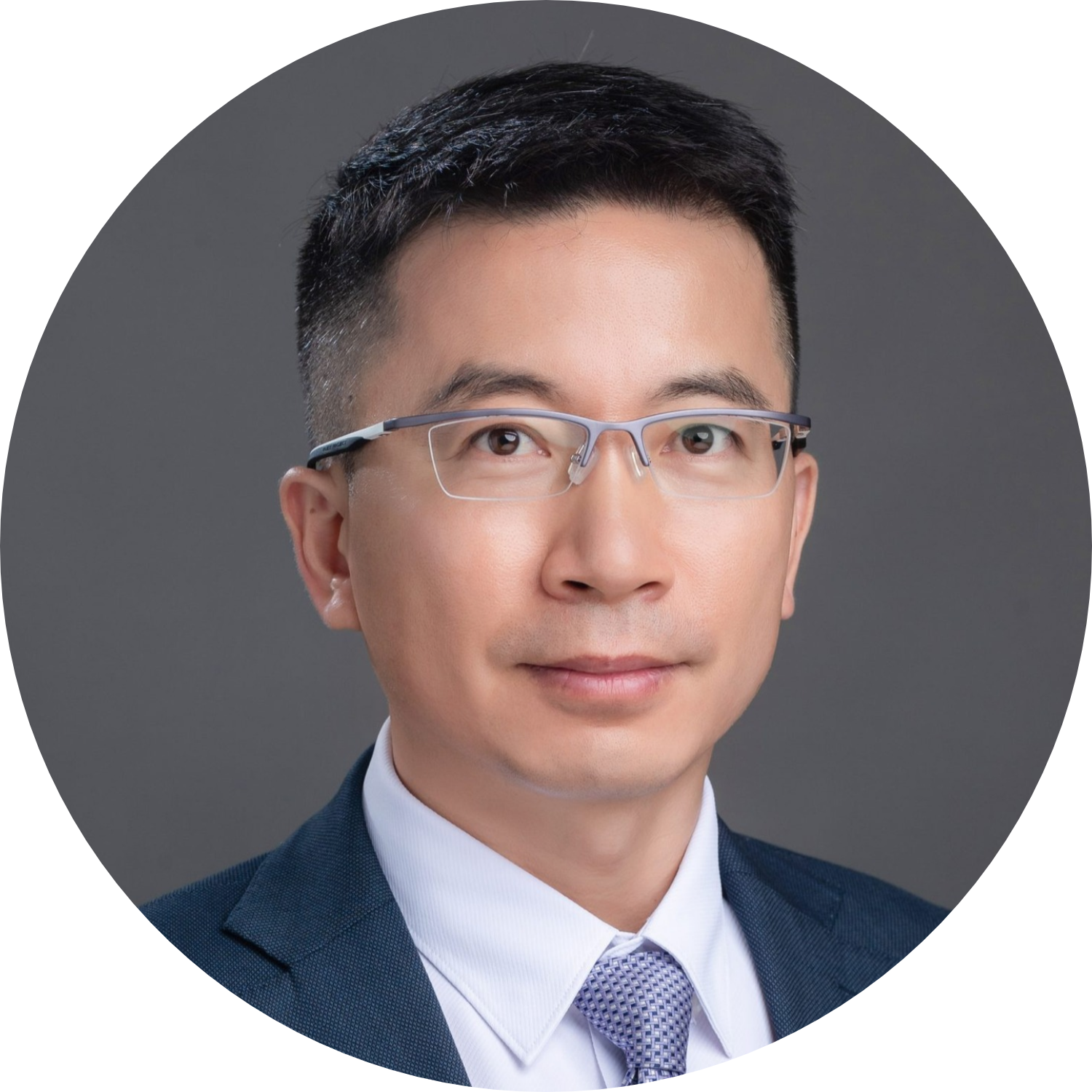
The University of Waterloo welcomes Dr. Ruibing Wang as an Eddie Goldenberg Research Chair in Supramolecular Biomaterials. Wang, currently a professor of supramolecular pharmaceutics and biomaterials at the University of Macau, will join the Faculty of Engineering in April 2027.
He joins Dr. Talia Bettcher and Dr. James Wolffsohn as one of three chairs appointed to Waterloo through the Government of Canada program. Here, he will build a research program that moves discoveries from the lab to real-world use while training the next generation of scientists and entrepreneurs.
Wang has published more than 300 peer-reviewed articles, been cited more than 16,000 times, and has been listed among Stanford University’s World’s Top 2 per cent of Scientists every year since 2020.
Q & A with Dr. Wang
Describe your research and the key questions you are working to address.
My research is about turning the body's own cells into better medical treatments. Instead of changing a cell's genetic code, my team uses reversible host-guest molecules to attach nanomedicine to cells, such as immune cells, platelets and red blood cells. This gives the cells new abilities to fight disease, which means we can build new treatments faster and adapt them for different conditions.
We're trying to answer three big questions. How do we make cell-based treatments more affordable and easier to produce? How do we help treatment cells reach hard-to-treat areas, like tumours or damaged tissue? And how can we use other living things, including exogenous cells, bacteria and even microalgae, as tiny factories that deliver medicine exactly where the body needs it?
My team combines chemistry, materials science and engineering to build a new generation of treatments that could bring these benefits to more patients.
What challenges are you working to solve, and how does your research create impact?
Many of today's most promising treatments, like some advanced cancer therapies, are expensive and difficult to manufacture, so only a small number of patients can access them. At the same time, diseases like cancer, heart disease and infections continue to put pressure on health-care systems around the world.
My research aims to make these treatments faster to build, easier to adapt and more affordable. Instead of designing a brand-new therapy for every disease, we're developing flexible technologies that can be adjusted for different medical needs using the same basic approach. That could mean shorter development times, lower costs and wider access to advanced treatments.
This work could also lead to new patents, new biotechnology companies, a stronger Canadian manufacturing base for biological treatments and opportunities to train the next generation of scientists and entrepreneurs. My goal is to help make advanced medicine more effective and more accessible, in Canada and around the world.
How will Waterloo's strengths in research, innovation, entrepreneurship and industry partnerships complement your research?
Waterloo brings together strong research, an entrepreneurial culture and close ties to industry. It's a combination that's hard to find elsewhere. My work sits at the intersection of biomaterials, nanotechnology and medtech, and Waterloo has real strength in all these areas, including talented researchers working on drug delivery, regenerative medicine and biomanufacturing.
Just as important is Waterloo's approach to innovation. Researchers here own the rights to what they create. The University also has a strong startup ecosystem and partnerships with health organizations such as Waterloo Regional Health Network and Princess Margaret Cancer Centre. Together, these create a clear path from lab discovery to real-world use. Waterloo is an ideal place to build this research program while training the next generation of scientists and entrepreneurs who will help shape the future of health care.
What excites you most about working with Waterloo students, and what impact do you hope to have on the next generation of scholars?
Waterloo students are globally recognized for their strong academic quality, problem-solving skills and entrepreneurial mindset. What excites me most is the opportunity to work with talented people who are eager to tackle complex challenges and think across disciplines.
I hope to help them grow as rigorous researchers. I also want to encourage them to build international collaborations, so they can contribute not only to advancing science and technology, but also to solutions that benefit humanity.
Read more about Waterloo’s inaugural Eddie Goldenberg Research Chairs of Canada.