The WAMPUM Mobile Lab hits the road
A newly retrofitted mobile research lab is driving Indigenous community-led research and science forward
A newly retrofitted mobile research lab is set to bring Indigenous-led science directly into communities, creating new opportunities for environmental research, education and engagement.
Led by Dr. Kelsey Leonard (Shinnecock), Canada Research Chair in Indigenous Waters, Climate and Sustainability and professor in the University of Waterloo’s Faculty of Environment, the WAMPUM Lab is expanding its reach beyond campus through a custom-designed mobile laboratory built to support community-led research wherever it is needed.
“The concept for a mobile lab was brought to me and advocated for by Indigenous nation leaders we work with, and in particular it was raised at environmental conferences prior to COVID where the idea really gained momentum,” Leonard says. “The intention behind creating the lab was to build a welcoming space for elders and youth for Indigenous science to thrive in community. So having a mobile lab where you can meet people where they are at and value place-based science and the knowledge systems embedded with the land and water is why this was needed.”
The WAMPUM Lab, based at the University of Waterloo, focuses on Indigenous ocean, water and climate justice. Their work highlights the critical importance of Land and Water in Indigenous Knowledge Systems, and the interconnectedness of environmental protection and Indigenous rights. Guided by the principles of reconciliation, respect and reciprocity, the lab works alongside communities to support research that reflects local priorities and knowledge. Recent examples include releasing the new documentary Women of Wampum and conducting environmental DNA research for biodiversity baseline assessments for marine conservation areas in collaboration with Mission Blue and Stony Brook University.

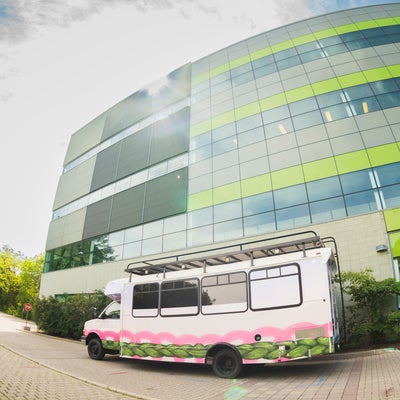
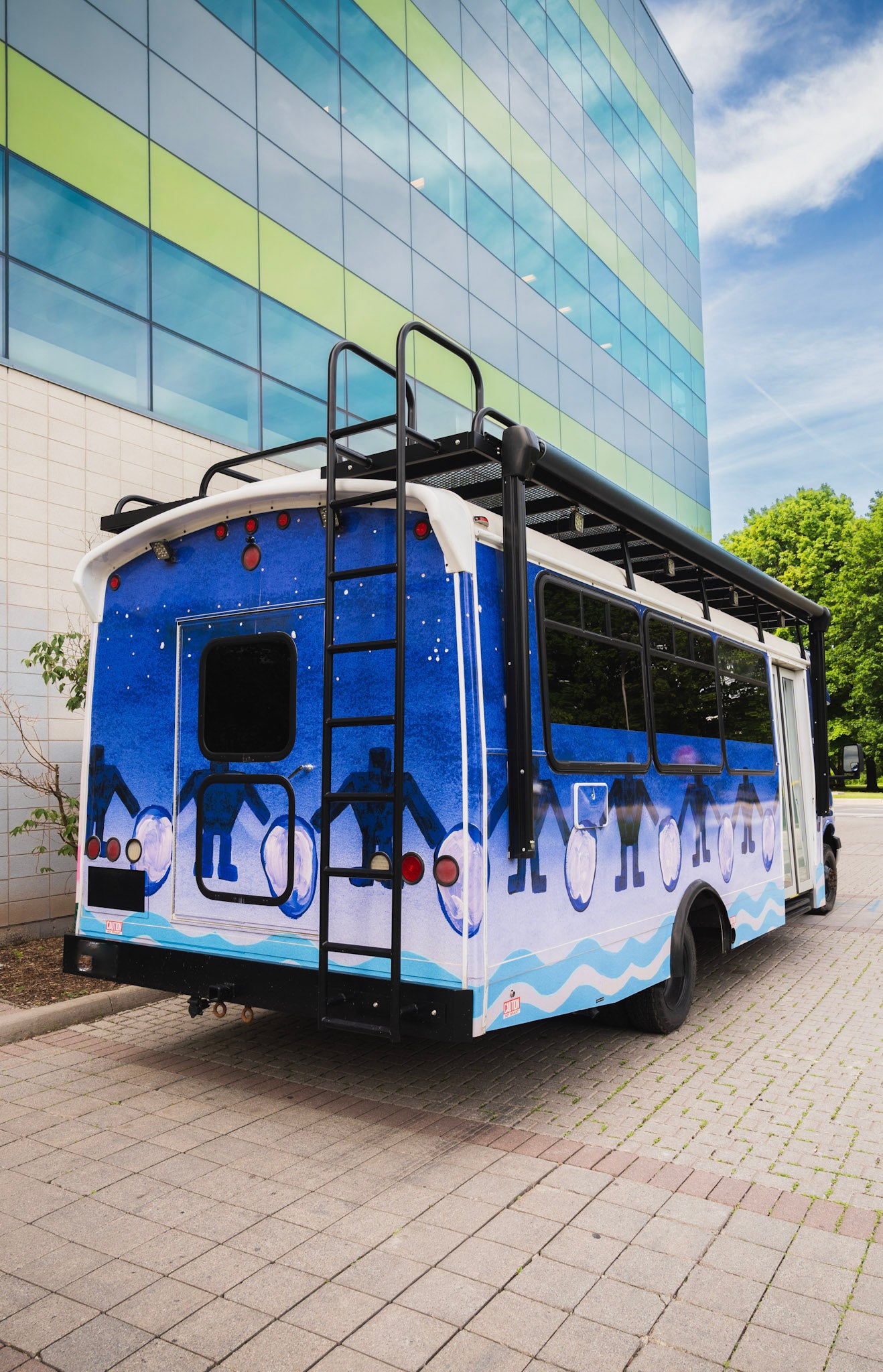
Rather than purchasing a brand-new vehicle, the team worked with the amazing creators at Defined Designs to reimagine and retrofit a 2014 bus. With sustainability a key consideration, they added solar panels and gave existing equipment a new purpose.
The mobile unit is equipped with both wet and dry laboratory space, allowing researchers and community members to collect and examine environmental samples in the field. A small desk workspace supports data collection and analysis, while built-in refrigeration helps preserve water and soil samples during transport. Maintaining samples at lower temperatures is critical for quality control before they are transferred to laboratories for processing. The vehicle also features exterior worktables that can be used for activities such as fish and shellfish cleaning or meat processing, creating a flexible workspace that can adapt to community needs.
The lab’s mobility was a key consideration in its design. Many environmental research sites and communities are located far from urban centres and may only be accessible through unpaved roads or off-road routes. The vehicle is equipped to travel in these conditions, allowing the lab to reach locations that would otherwise be difficult to access.
Beyond its scientific capabilities, it is also a striking piece of Indigenous art. The vehicle’s exterior shell was designed by Onondaga pop artist Frank Buffalo Hyde and incorporates imagery that reflects the WAMPUM Lab’s mission. One side of the vehicle features sweetgrass woven through a daytime landscape, symbolizing connection, healing and the braiding of knowledge systems. The other side showcases wampum belt designs against a nighttime scene featuring whales and a quahog clam (the lab namesake). Together, the designs represent the many environments the lab works within, from freshwater and terrestrial ecosystems to coastal and marine spaces and the relationships that connect them.

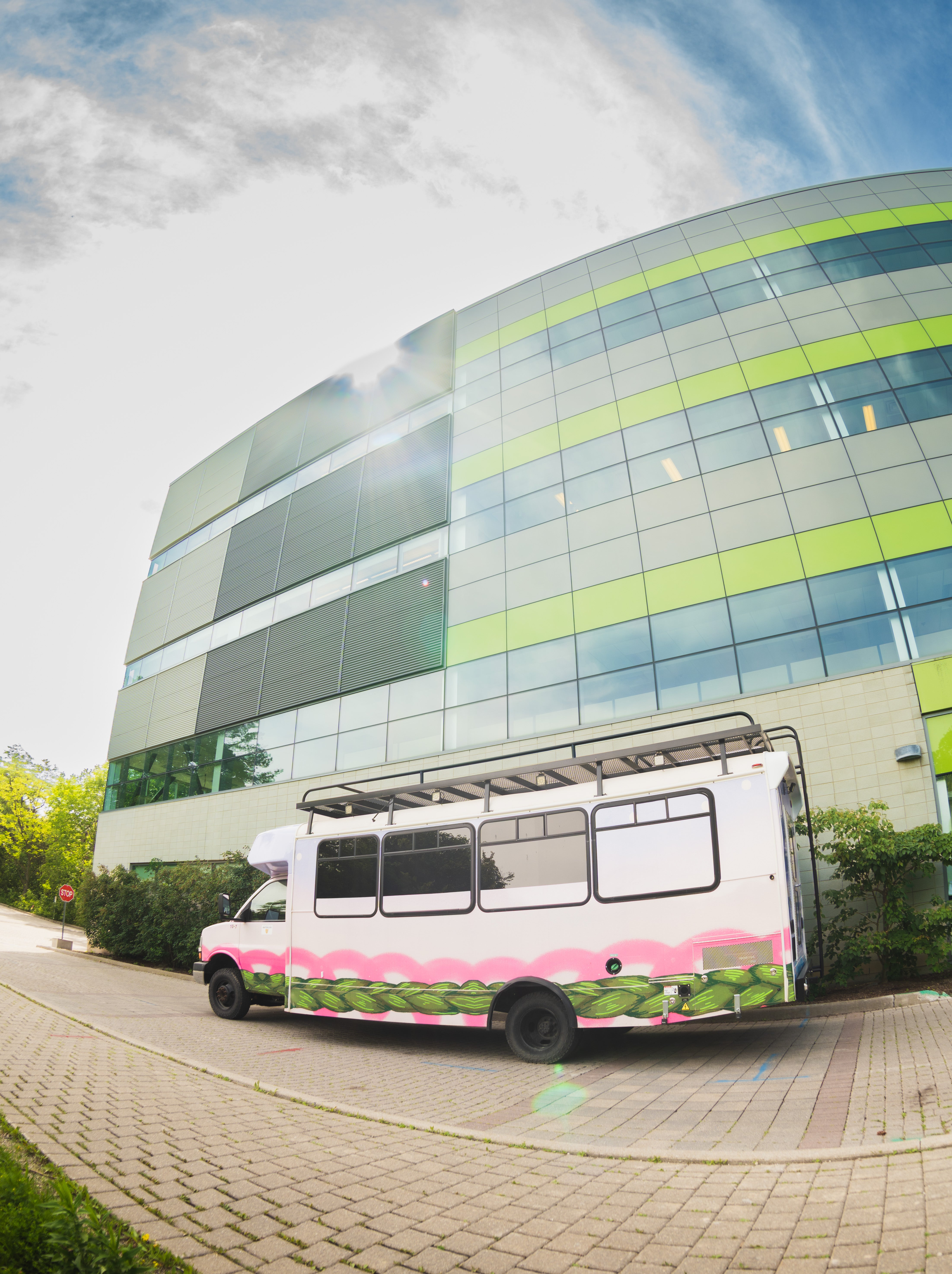
For Leonard, the mobile lab is ultimately about accessibility and relationship-building. By creating a space that can travel to communities, the WAMPUM Mobile Lab can support new pathways for knowledge-sharing, collaboration and positive change. Future plans include attending Indigenous community events, powwows and other gatherings where the lab can serve as both a research platform and an educational tool.
“The lab is a collaboratory, it is by design for the people and we are excited for the many youth it will inspire, scientists it will train, and communities it will uplift as a new generation of Indigenous science hits the road,” Leonard says.
This new research infrastructure was funded through the Canada Foundation for Innovation's John R. Evans Leaders Fund.