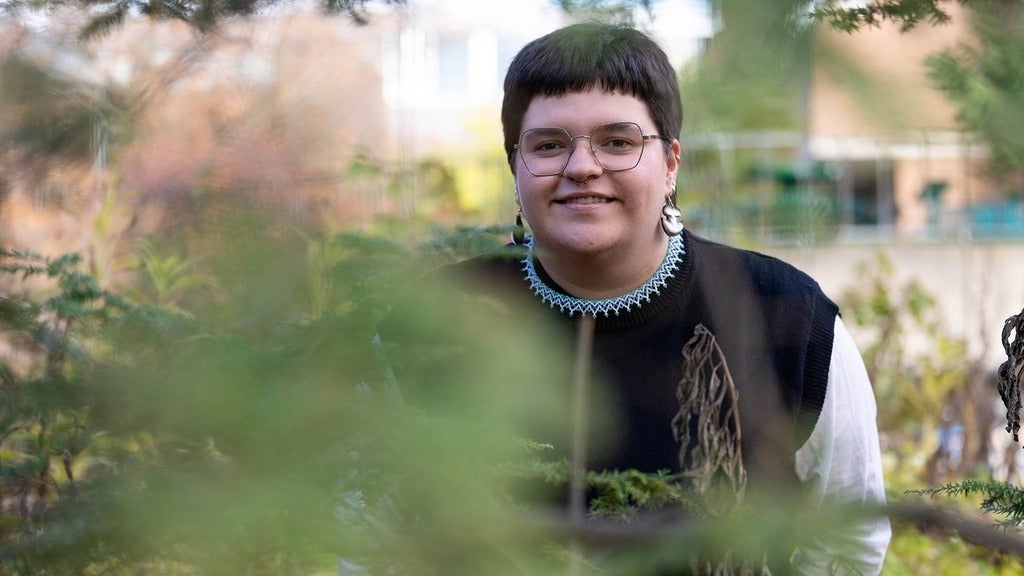
A path of resilience and return to Waterloo
Seneca Mohawk Rhea Green reflects on overcoming barriers, pursuing her degree and supporting Indigenous students through community and connection
More than 50 years after first attending the University of Waterloo, Rhea Marlene Lickers Green, Seneca and Mohawk of the Haudenosaunee and a member of the Turtle Clan, has returned to finish the degree she once started.
When Green first arrived in the early 1970s as an economics and geography student, Indigenous student life looked vastly different on campus. Today, her return is a powerful reminder of both her personal resilience and the progress Waterloo has made, while underscoring the work that continues to better support Indigenous people.
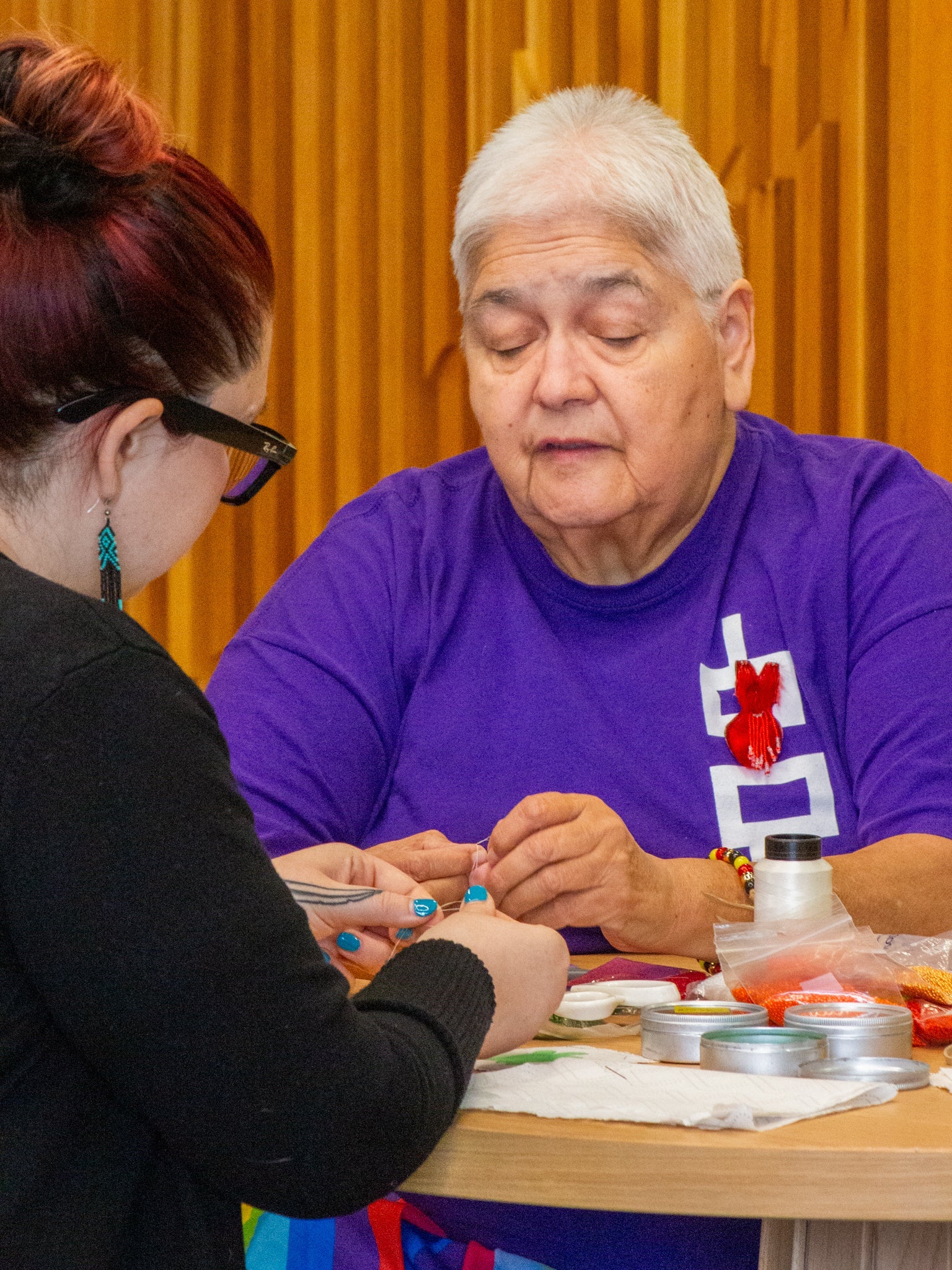
Rhea Green (right)
Student, Faculty of Environment
> Totah, Visiting Aunties Program
Drawn to Waterloo by her interest in environmental issues and economics, Green approached her studies through the lens of her Indigenous identity. For her, the Land was never just a subject of study, but a relationship grounded in Haudenosaunee teachings of responsibility, balance and interconnectedness.
That perspective shaped how she understood environmental and economic systems, not as separate fields, but as part of a broader responsibility to care for the Land and future generations. However, her experience in the 1970s was shaped as much by barriers as by curiosity. The absence of Indigenous community and cultural presence, combined with systems of control, made navigating university life particularly challenging.
“When I came to Waterloo, there were only five Indigenous students here,” Green recalls. “There was no support system. You went to class, took notes, handed in assignments, got your marks and that was it.”
Like many Indigenous students at the time, her academic journey was monitored by an Indian Agent who oversaw her progress and decisions. She also recalls signing an agreement that required at least one of the three Indigenous students living in Village 2, now known as Ron Eydt Village, to always remain near the landline phone in case he called.
“It was frustrating,” Green says, describing the constant sense of surveillance that shaped their daily lives.
Amid these challenges, her path shifted. After marrying her husband, Green transferred to York University before eventually stepping away from her studies to care for her growing family.
Turning doubt into determination
After years of raising her four children, running businesses and building a life across several cities, Green eventually settled in Kitchener. Her return to the University came unexpectedly after being invited to speak at a campus event, where she was encouraged to consider completing her degree — something she had never imagined.
“What drew me back was realizing I could,” Green says, reflecting on how all her children have completed post-secondary education, including one daughter who earned a doctorate, as well as the influence of her husband, a teacher who always believed in the power of education.
Her decision was also driven by a desire to challenge the limitations once placed on her.
“I was told I couldn’t do it,” she says. “My high school counsellors said I wasn’t smart enough. That education wasn’t for someone like me. When you hear that, it makes you want it even more to prove them wrong.”
In 2025, Green returned to complete her final year, and this time on a campus transformed by technological change and a stronger sense of Indigenous presence and community.
“The changes are everything,” Green says. “There are ceremonies, community and recognition now. Back then, none of that existed. Today, we have sacred fires, storytelling and elders who are there to share their knowledge.”
For Green, that transformation is most visible in the sense of belonging that Indigenous students and staff now experience. The presence of Elders, cultural practices and community spaces reflects meaningful progress, even as the work continues. She now contributes to that sense of belonging through the Visiting Aunties Program, offered by the Waterloo Indigenous Student Centre and the Office of Indigenous Relations (OIR). During the winter term, Green spent time in the OIR space with her beadwork, creating a welcoming environment where students could gather, connect and reflect.


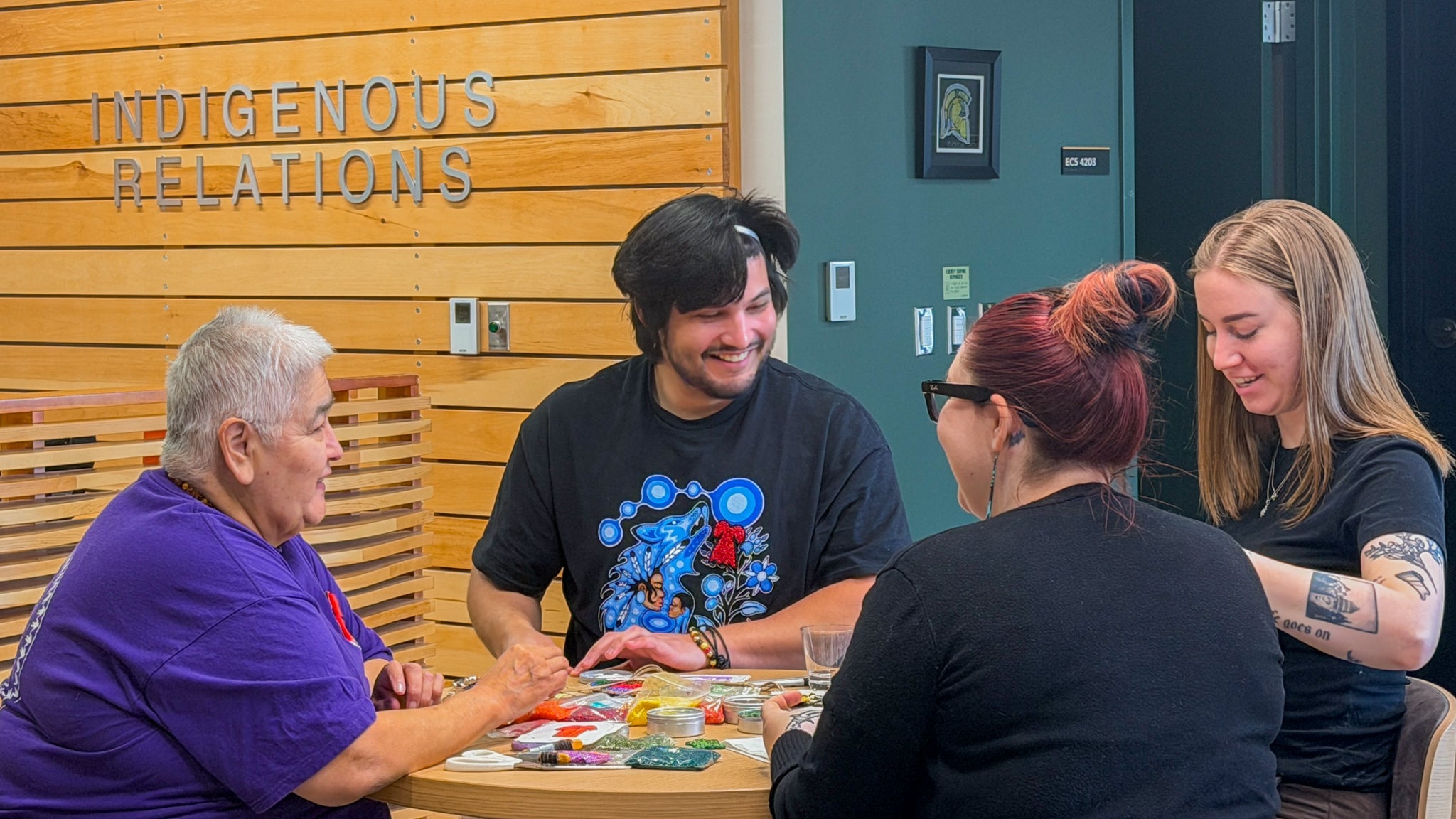
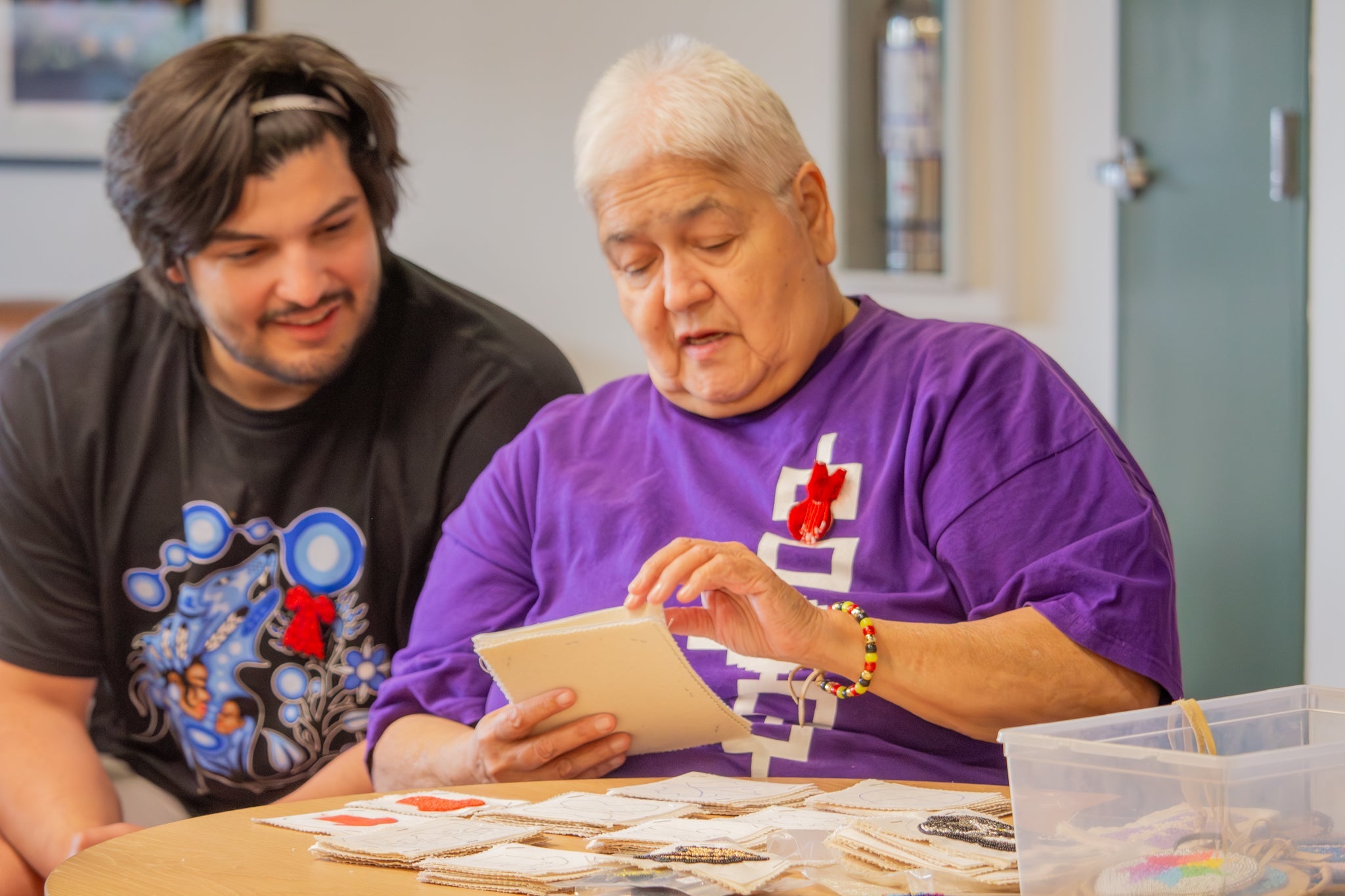
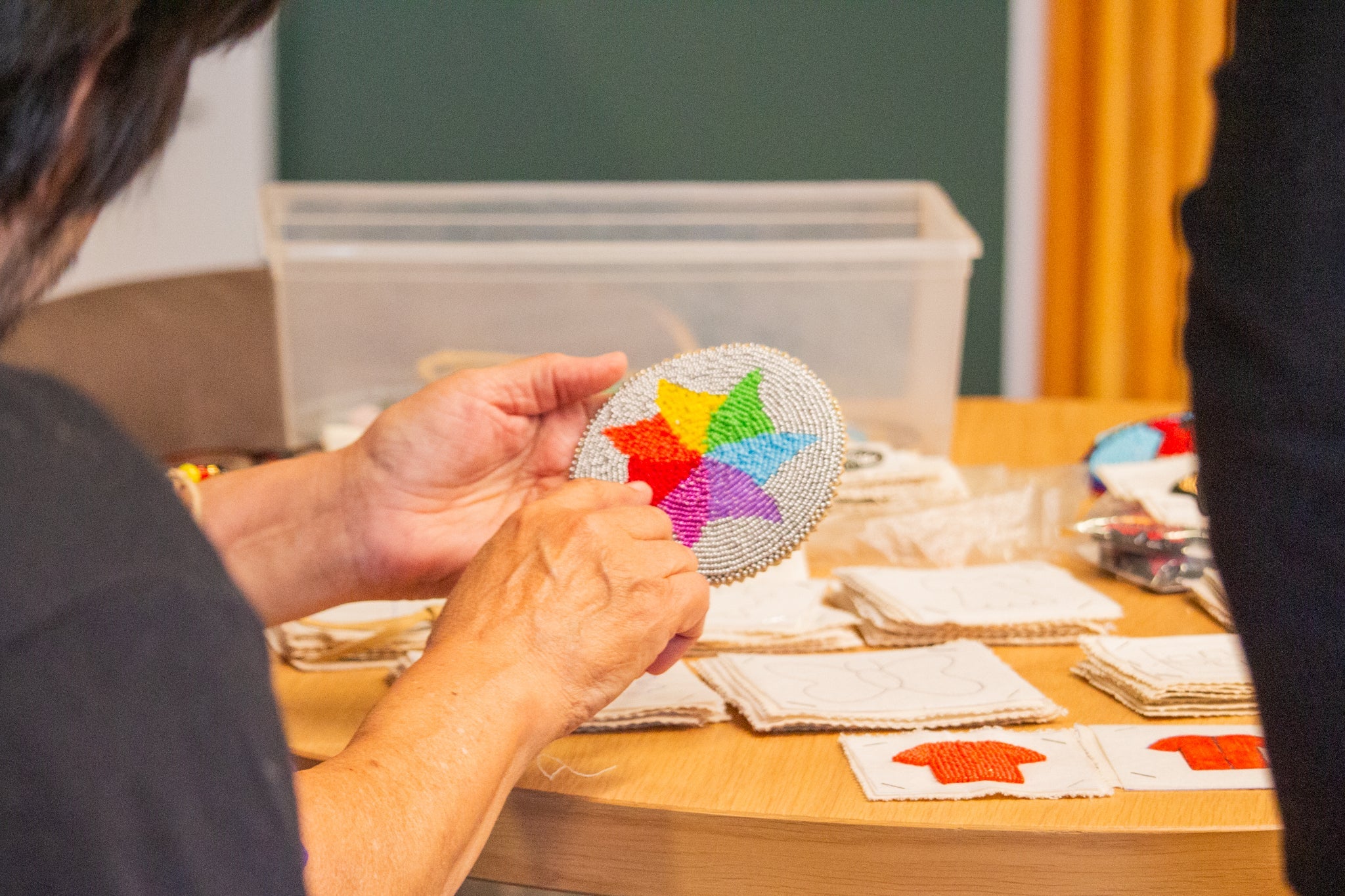
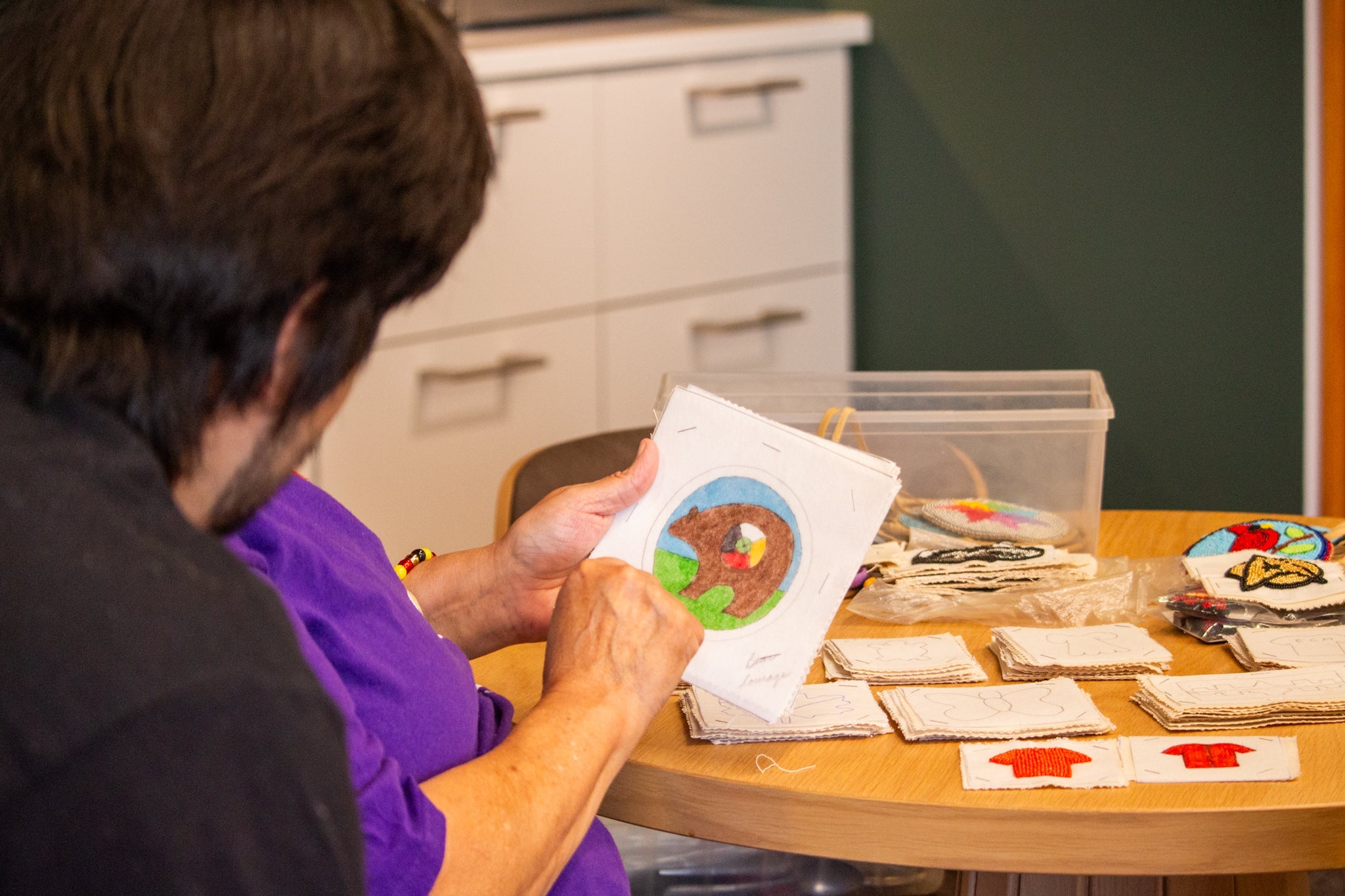
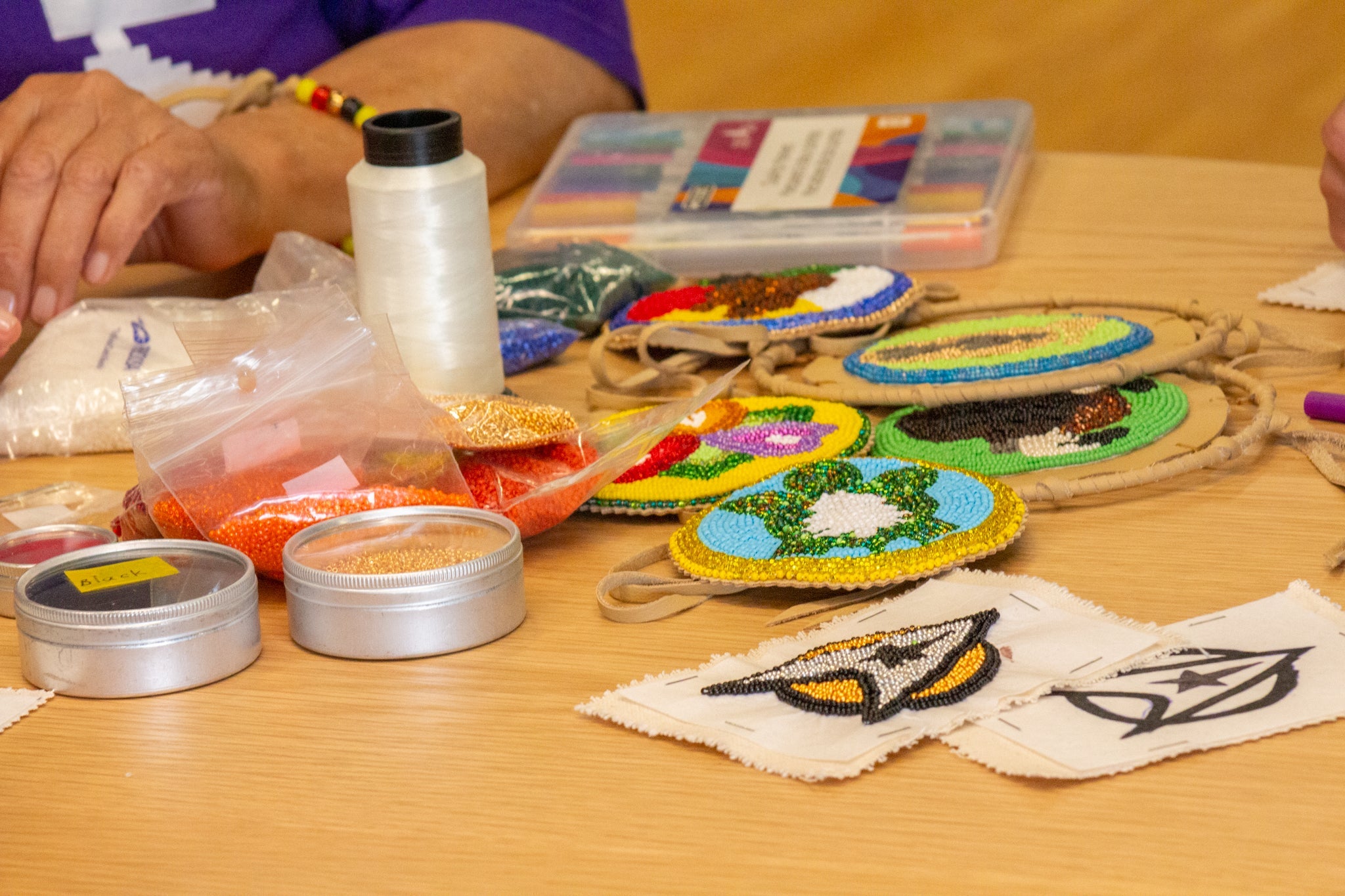
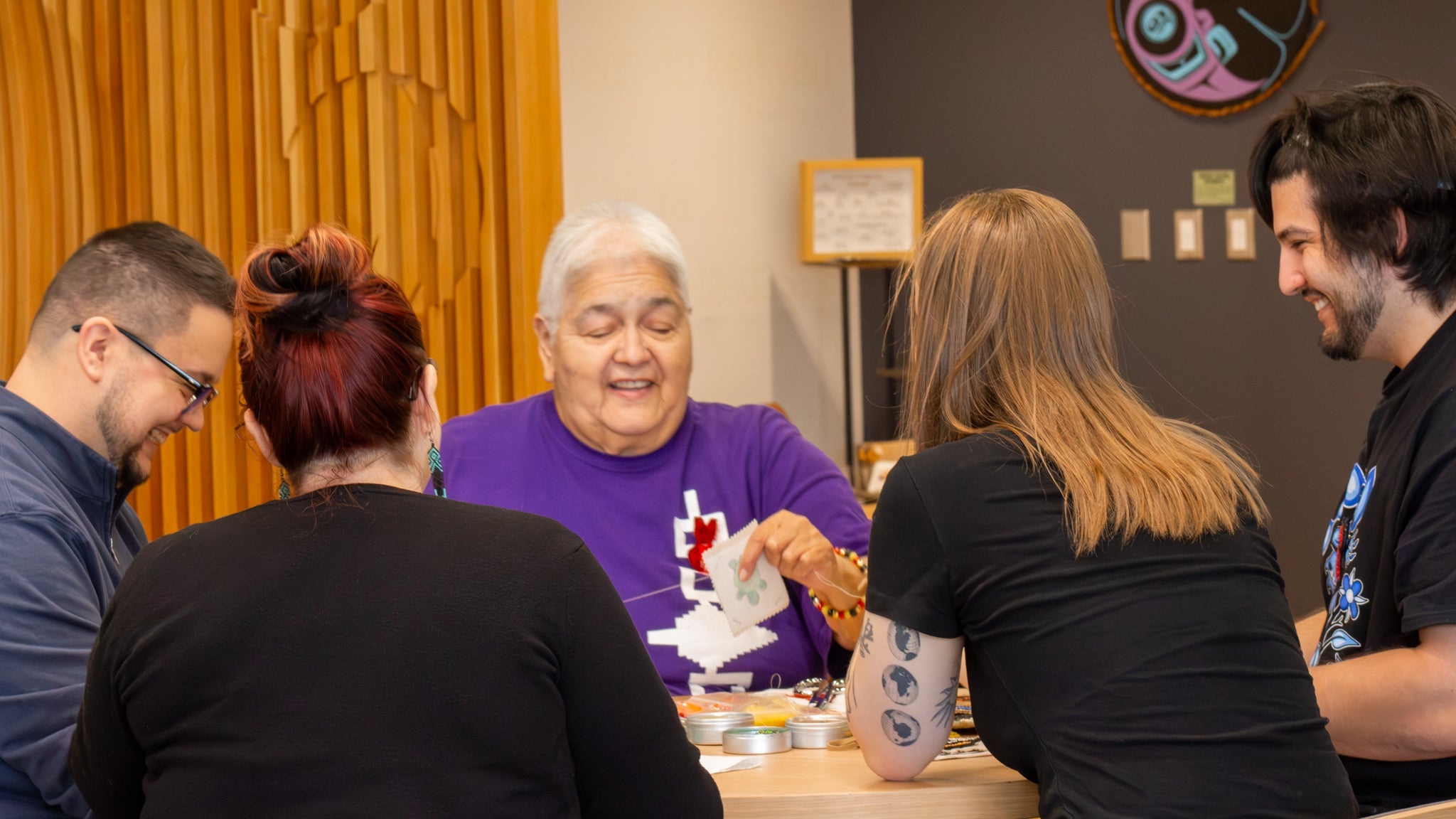
Photo carousel: In the Visiting Aunties Program, Rhea Green creates a welcoming environment where Indigenous students could gather, connect and reflect, while creating their own beadwork.
“There’s an old phrase: being is caring,” Green explains. “I try to listen and let students know someone is proud of them. That their hard work matters, not just for themselves, but for their people.”
For many Indigenous students, especially those far from home, that presence is deeply meaningful. The program serves as a reminder that they are not navigating their journeys alone.
As National Indigenous History Month invites reflection, Green hopes her story highlights the strength found in persistence and community. For Green, completing her degree is more than a personal milestone. It is an act of perseverance, a reclamation of identity and opportunity, and a powerful reminder that it is never too late to continue your journey.