Giving students the chance to grow — and give back

“Learning about all the genius ways in which people create machines to help increase efficiency, and how inventions impact the quality of life, really inspires me,” he says.

“Learning about all the genius ways in which people create machines to help increase efficiency, and how inventions impact the quality of life, really inspires me,” he says.
Happy 8th birthday, Giving Tuesday! This global day of giving returns to Waterloo November 30, offering donors 24 hours to make their gift the most powerful it can be by unlocking additional support for programs and services across campus.
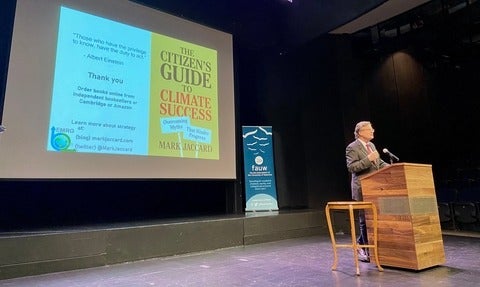
On October 27, the 2021 Hagey Lecture hosted Mark Jaccard, one of Canada’s foremost thinkers on climate change policy and economics. Jaccard delivered his talk to approximately 60 people attending in person at the University of Waterloo’s Theatre of the Arts and 200 people viewing online. Jaccard’s thought-provoking talk focused on four key challenges to decarbonization, two elements of a simple path forward, and four barriers to overcome in order to achieve the simple path.
Giving Tuesday – this year on November 30 – is one of Waterloo Engineering’s favourite days of the year because it provides a great opportunity to give back to our students, the campus and causes we care about.
Each year, we challenge ourselves and each other to “put our money where our hearts are” by pledging financial support.
Last year, the new Engineering Equity Fund topped our donors’ list of preferred causes with 130 contributing to it.

O’Neill didn’t come up with the term botanical sexism, but ensuring that more strategy and consideration of future needs for tree planting efforts make up a number of the 12 recommendations in a nationally-applicable Practice Guide created by her and colleagues — all Planning graduate students, to help guide municipalities towards more sustainable tree management.

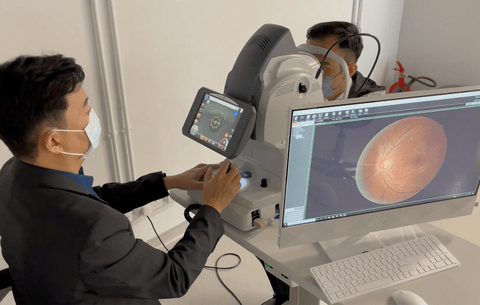
Vision is one of our most dominant senses, and our world is often built around our ability to see. Despite this, the World Health Organization reports that more than one third of people around the world suffer from some form of vision impairment or blindness. Of these estimated 2.2 billion people, at least one billion of these cases could have been prevented or have not been addressed yet.
As the world continues to change and everyone rethinks their business, the digital divide could further divide those who have access to technology and those that do not — but we’ll see a new gap in digital skills.
“There’s a new digital divide that’s going to come upon us — it’s going to be those that have the skills to thrive in a digital world and those who don’t,” said Vivek Goel, University of Waterloo president.
Have you ever wondered how a rocket engine works? What your city might look like in the future? How your brain processes information so quickly?
In the ‘Back to the Classroom’ video series, Waterloo students, faculty members and staff answer questions and share their insights on a variety of topics. Keep scrolling to read the key takeaways and watch the full videos.