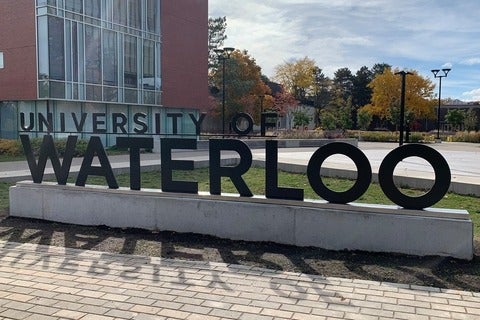
University of Waterloo launches the President’s Anti-racism Taskforce (PART)
Dear colleagues and students,
I am writing to you today to announce the formation of the President’s Anti-racism Taskforce (PART).

Dear colleagues and students,
I am writing to you today to announce the formation of the President’s Anti-racism Taskforce (PART).

While we continue to see the number of positive and recovered cases change across the world, the COVID-19 pandemic continues to be a threat to everyone’s health and well-being. There’s a global race to produce a vaccine that will be effective in protecting us from the virus and perhaps be our best hope for ending the pandemic.
Monica Hoang had no idea earlier this year that she’d be spending the last few months of her PhD working on the design of a COVID-19 testing kit.
The School of Pharmacy student moved back to her hometown when the University of Waterloo decided to go online for the spring term and planned to do her PhD defence digitally.
Then an old friend in the pharmacy program messaged her to say his colleagues were looking for somebody with a genetics background to join their team. The next day, Hoang was at a meeting in Waterloo’s Velocity startup incubator in downtown Kitchener.
The outbreak of COVID-19 has forced the world to reconsider the way we live — right down to the structures that house us.
With more information surfacing on the transmission of the virus every day, professionals in architecture and design are re-imagining what a post-COVID society might look like.
It’s also prompting organizations to take a closer look at the layout of their quarters.
A new collaboration between the School of Architecture and Cambridge’s Self-Help Food Bank is one of these latest initiatives magnified by COVID-19.
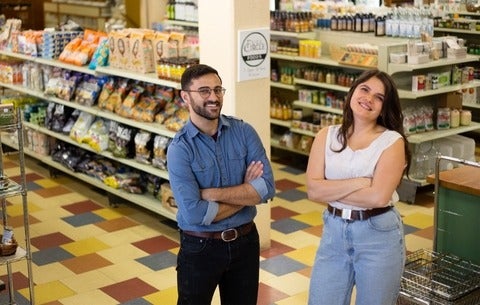
For just over two years, Waterloo alumni Julia Gogoleva (BSc ’15) and Sam Nabi (BES ’13) have been running Full Circle Foods, a medium-sized grocery store located in the heart of Kitchener.
The pair took ownership of the almost 40-year old community shop after it went up for sale back in 2018. Neither could have predicted the world-wide pandemic two-years later.

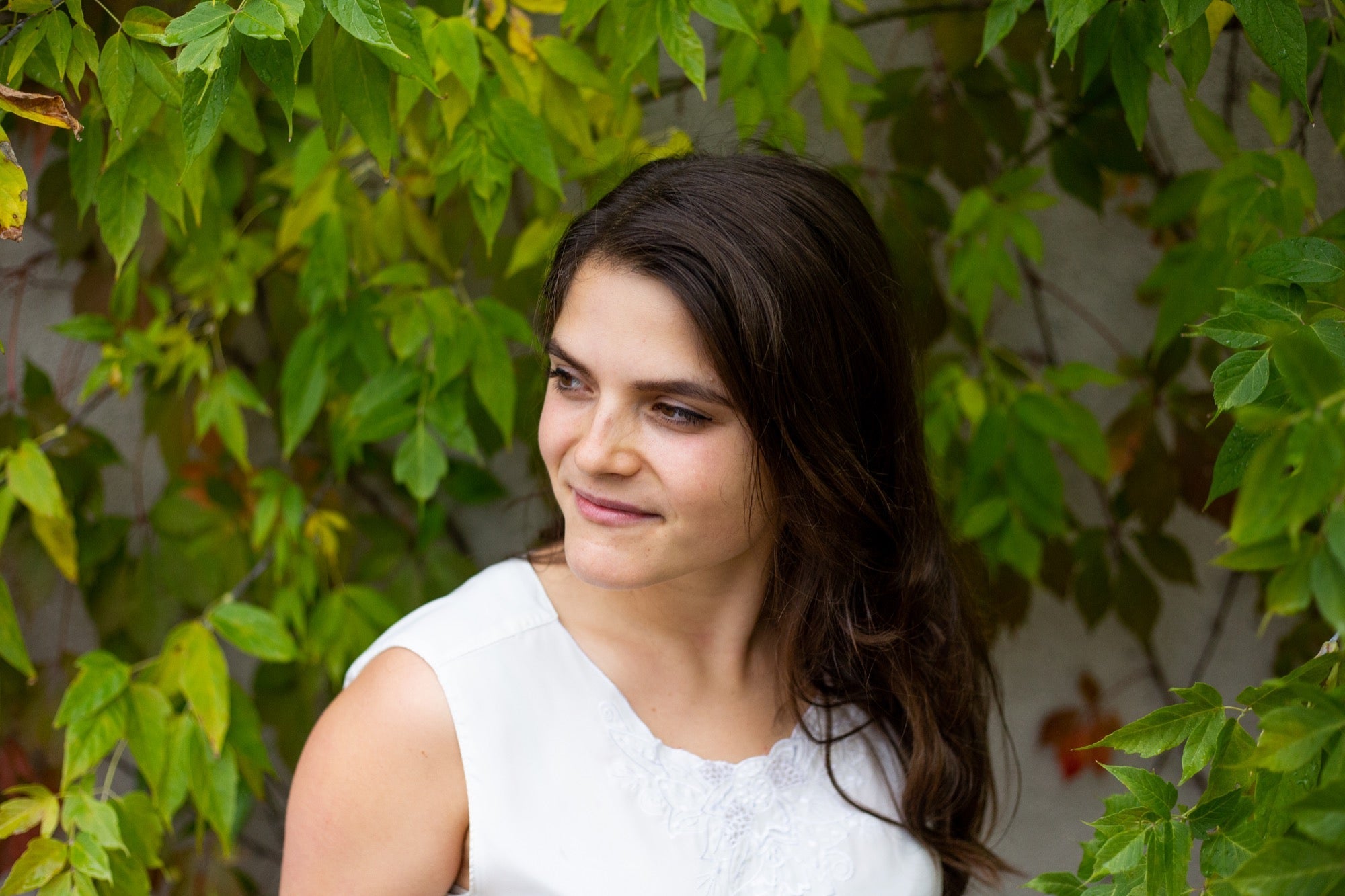
Julia Gogoleva (BSc ’15)
We have restored this statement to our website in an effort to ensure that all actions taken by the University of Waterloo are transparent and easily accessible.
The University of Waterloo made this statement without consulting Black faculty members and then we removed it from the archives on June 16 when we issued a new statement. We apologize unreservedly because we recognize that this statement, and its removal, are mistakes that did harm to Black faculty members who research and teach about blackness.
Having our days filled with virtual meetings can be draining, and the content we consume online can take a toll on our health. After several weeks in lockdown, many in our community continue to try to balance online time from offline time and find other ways to overcome boredom as we wait for stay-at-home orders to be lifted.
This isn’t how the Faculty of Math’s class of 2020 envisioned their graduating year. Instead of walking across the convocation stage to receive their diploma in front of family and friends, students will participate in a virtual ceremony. Then, in the months ahead, these same graduates will seek work in one of the toughest job markets in recent memory.
But there is cause for hope and optimism.
Working from home during the COVID-19 pandemic has exponentially increased the cybersecurity risks faced by individuals and employers, according to an expert panel.
The panel, made of industry stakeholders and experts from the University of Waterloo, warned that Canadians in all areas are at increased risk of having their personal and corporate information captured and exploited during pandemics.
We have entered the Fourth Industrial Revolution with technology spearheading and transforming the workforce and the future of business. It’s happening all around us. Blockbuster went bankrupt with the introduction of streaming services like Netflix. Taxis have repositioned their business models due to app-driven ride-share programs like Uber. Roles of financial advising and investing are becoming obsolete with algorithmically programmed robo-investors.