New quantum imaging could lead to a better understanding of diseases
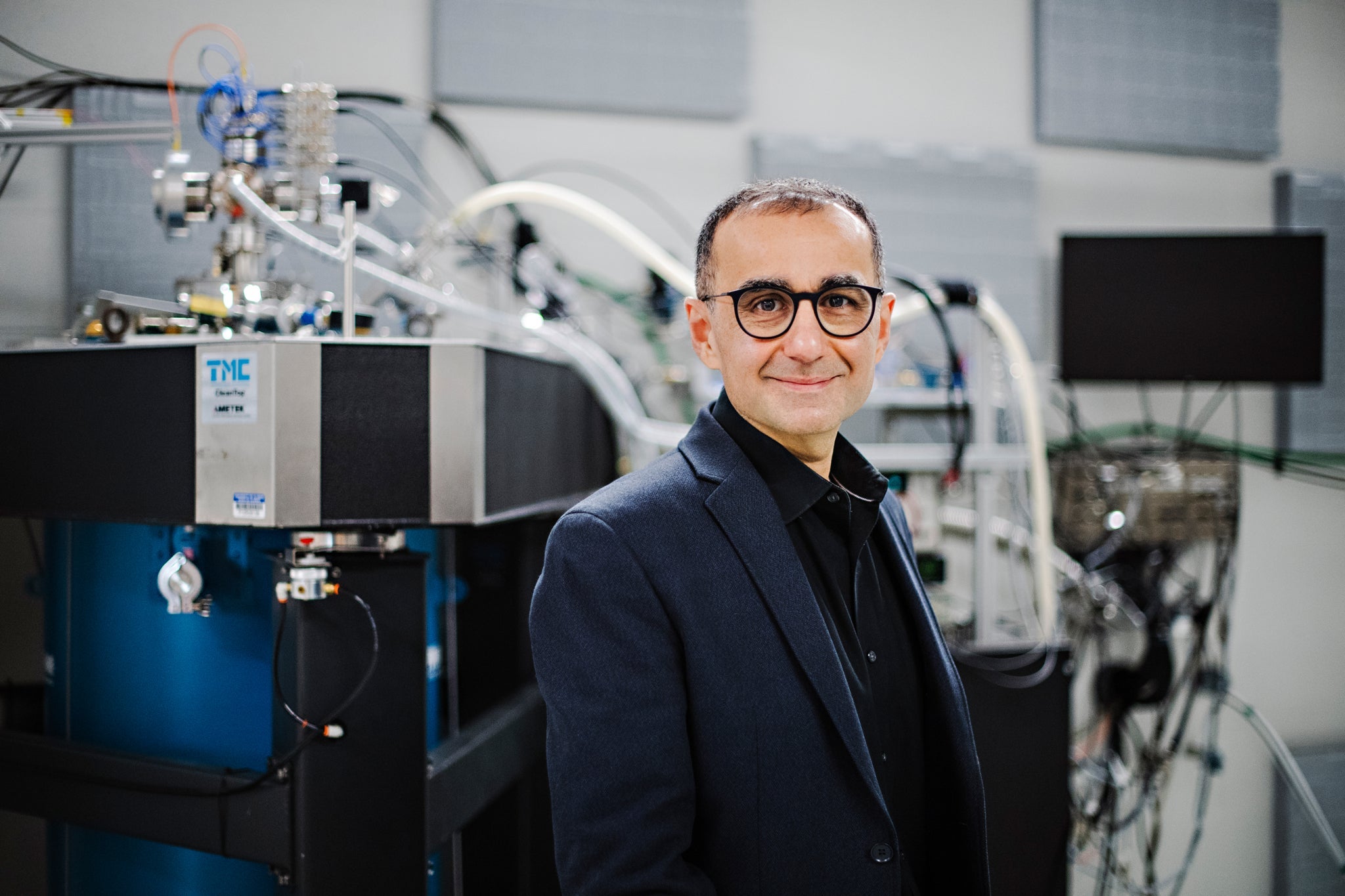
Raffi Budakian
Professor, Faculty of Science
> Waterloo Endowed Chair in Nanotechnology
> Institute for Quantum Computing

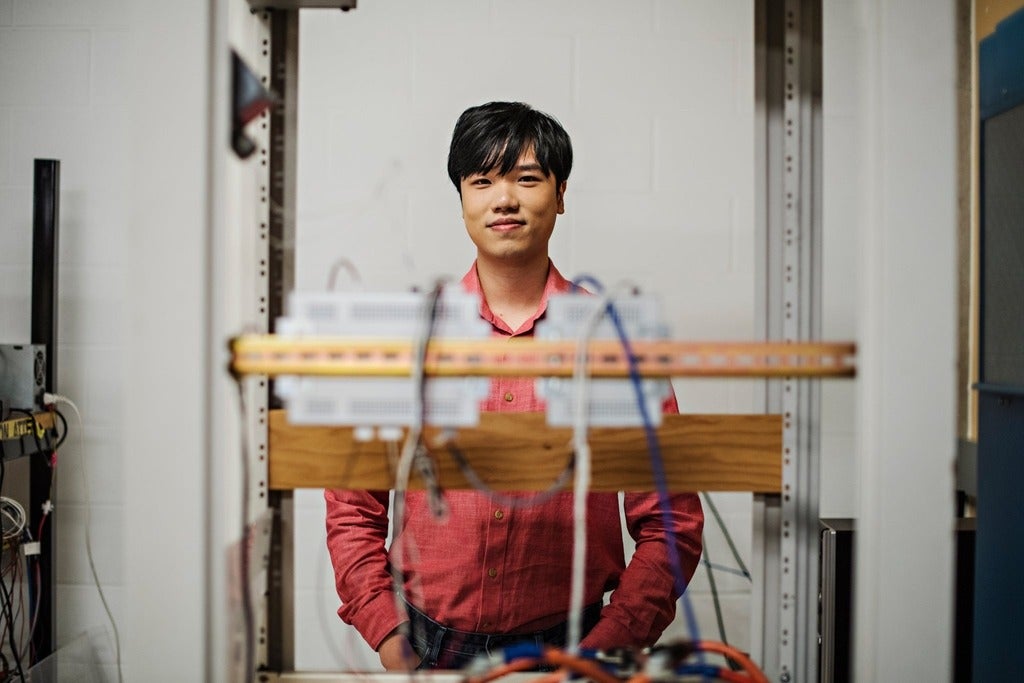
Raffi Budakian
Professor, Faculty of Science
> Waterloo Endowed Chair in Nanotechnology
> Institute for Quantum Computing

The tobacco industry pulls in hundreds of billions of dollars in profits every quarter, at the cost of more than 8.3 million lives annually. The World Health Organization (WHO) estimates the economic cost of tobacco is US$1.4 trillion a year —1.8 per cent of global GDP.
In response to these sobering statistics, the WHO Framework Convention on Tobacco Control (FCTC) was created to turn the tide against the number one preventable cause of death in the world: smoking.

Manh-Kien Tran (BASc ’18, MASc ’20)
PhD student, Faculty of Engineering
> Vanier Canada Graduate Scholarship recipient

Cassie Myers (BA ’18)
Alumnus, Faculty of Arts
> Founder and CEO, Lunaria
> Grebel Peace Incubator at Conrad Grebel University College

Jennifer Saul
Professor, Faculty of Arts
> Waterloo Chair in Social and Political Philosophy of Language

Natasha Rozario
Student, Faculty of Mathematics
David R. Cheriton School of Computer Science

Kate Larson
Professor, Faculty of Math
Cheriton School of Computer Science
> University Research Chair
Whether it’s a digital assistant, like Siri, predictive text, social media or a vehicle with autonomous functions, many of us use or rely on some form of Artificial Intelligence (AI) daily.
A joint initiative to increase academic diversity has expanded from six universities in Ontario to 12 institutions across the country.
Since its inception earlier this year, the Indigenous and Black Engineering and Technology (IBET) PhD project, which aims to support and build a network for Indigenous and Black graduate students, has named 16 doctoral fellows and 24 mentors.
Every year, KidsAbility supports more than 11,000 children and youth in Southwestern Ontario. Clients are helped through programs designed to assist with communication, social and physical goals, but face significant challenges when they move beyond the scope of their services at 21 years old.