Technological Futures

Monday, December 16, 2024

Waterloo researchers awarded more than $10 million

by University Relations

Twenty-two researchers at the University of Waterloo have been awarded more than $10 million to support their research from the Ontario Research Fund (ORF).  

The ORF Research Excellence program provides up to one-third of the total value of a research project with major strategic value to the province.  

Thursday, December 12, 2024

Encouraging and supporting the risk-takers

by Charlotte Danby, Faculty of Engineering

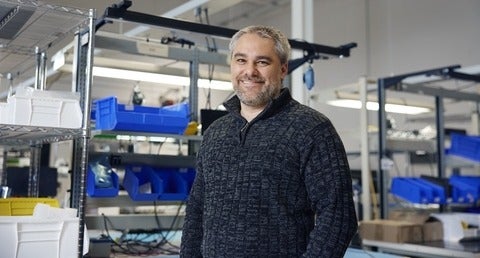
Many entrepreneurs build companies to tackle problems they’ve experienced first-hand — and Kurtis McBride (BASc ’04, MASc ’07) is one of them.  

The Waterloo Engineering alum hit upon his startup idea when he was a student on a co-op work placement at a transportation consultancy. The job involved manually counting vehicles, which McBride saw as outdated and inefficient, hindering the urban planning process.  

Friday, December 6, 2024

Waterloo students and alumni named among Forbes 30 Under 30

by Darren McAlmont, University Relations

University of Waterloo students and alumni are changing the game by launching companies with global impact for humanity and our planet. Their remarkable achievements have earned them spots on this year’s illustrious Forbes’ 30 Under 30 list.  

The annual list highlights young entrepreneurs who are making a difference in their fields. Waterloo-linked founders were named in artificial intelligence (AI), green tech, education, food and drink and manufacturing categories. 

Friday, December 6, 2024

Magnesium electrolyte sparks next generation battery design

by Media Relations

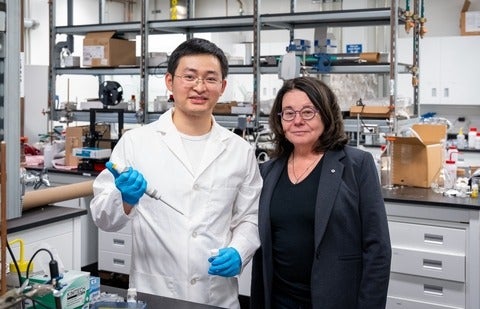
University of Waterloo researchers have made a key breakthrough in developing next-generation batteries that are made using magnesium instead of lithium.

When the idea to create batteries using magnesium was first shared in a seminal academic paper in 2000, that novel design didn’t provide enough voltage to compete with lithium-ion batteries, which are predominantly used in the marketplace. Magnesium is much more abundant and less costly than lithium, which would help further sustainable energy storage.

Wednesday, December 4, 2024

Waterloo is leading the way in AI education across society

by Jordan Flemming, University Relations

The University of Waterloo is strengthening its leadership in artificial intelligence (AI) education with two initiatives: an open online AI literacy course for its community and a Waterloo.AI workshop on generative AI in K-12 education. Together, these initiatives highlight the University’s commitment to fostering responsible AI knowledge and shaping a future where AI is thoughtfully understood and applied across all levels of education and society.

Tuesday, December 3, 2024

MedInclude partners with Grand River Hospital to improve patient communication with AI

by Angelica Marie Sanchez, University Relations

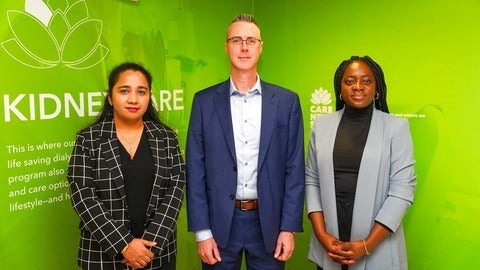
A Velocity health-tech startup focused on improving health-care communication has announced an exciting new partnership with Grand River Hospital (GRH) to address communication challenges within the hospital’s Renal Program. This collaboration — a pre-commercialization project spanning three months — will leverage MedInclude’s artificial intelligence (AI) platform to enhance patient engagement and streamline interactions between health-care providers and patients. 

Monday, December 2, 2024

Tech Horizons showcases AI, innovation for business leaders

by David George-Cosh, University Relations

The University of Waterloo held its annual Tech Horizons Executive Forum on Tuesday, offering leaders from business to academia exclusive insights into the disruptive forces shaping technology, business strategy and global transformation. 

Held at the CIBC Square auditorium in Toronto, the sold-out event drew hundreds of executives for a dynamic lineup of panel discussions and keynotes. The sessions focused on navigating global and geopolitical uncertainties and tackling the challenges of adopting and implementing artificial intelligence (AI) through a distinctly Canadian lens. 

Friday, November 29, 2024

Tackling malnutrition in older adults, bite by bite

by Janet Armstrong, Faculty of Engineering

Most older adults prefer to age in their homes and stay active in their communities. For many, malnutrition will derail those plans due to involuntary weight loss, micronutrient deficiencies and frailty. These conditions don’t just impact quality of life, they frequently necessitate a transition to living in a long-term care facility.