Three new spaces shaping the future of Waterloo
From advanced research and eye care to student housing, Waterloo’s latest building projects are reshaping campus
From cutting-edge research to student life and health care, the University of Waterloo's newest building projects are transforming the campus experience. Over the next couple of years, three major additions will welcome students, researchers, patients and community members into spaces designed for collaboration, well-being and innovation. Funding for these new buildings comes from a variety of sources, including ancillary revenues, government programs and philanthropic support.
Here's a look at the newest buildings taking shape at Waterloo.
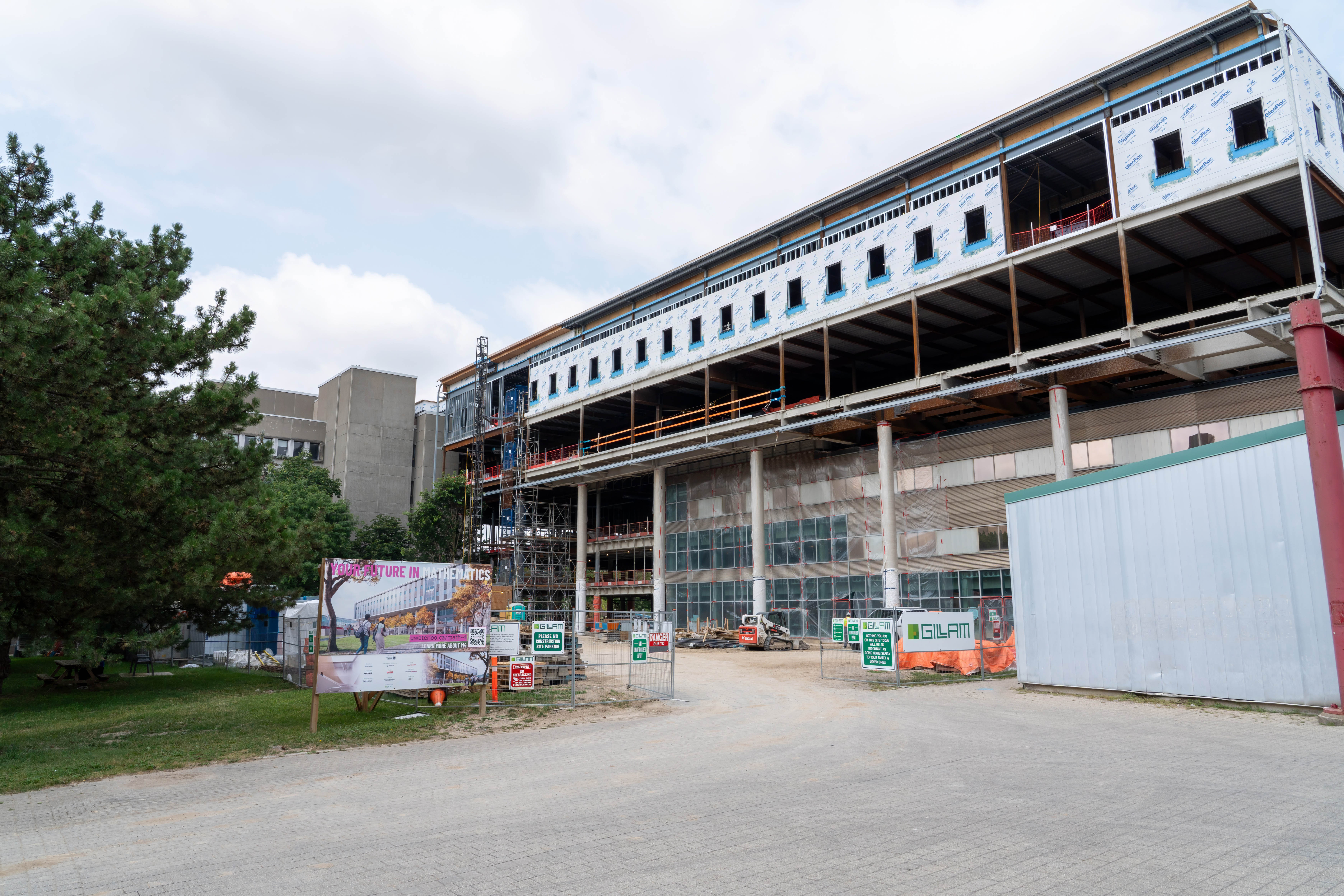
1. Mathematics 4 (M4): the next chapter for Canada's math faculty
Expected opening: late 2026 to early 2027
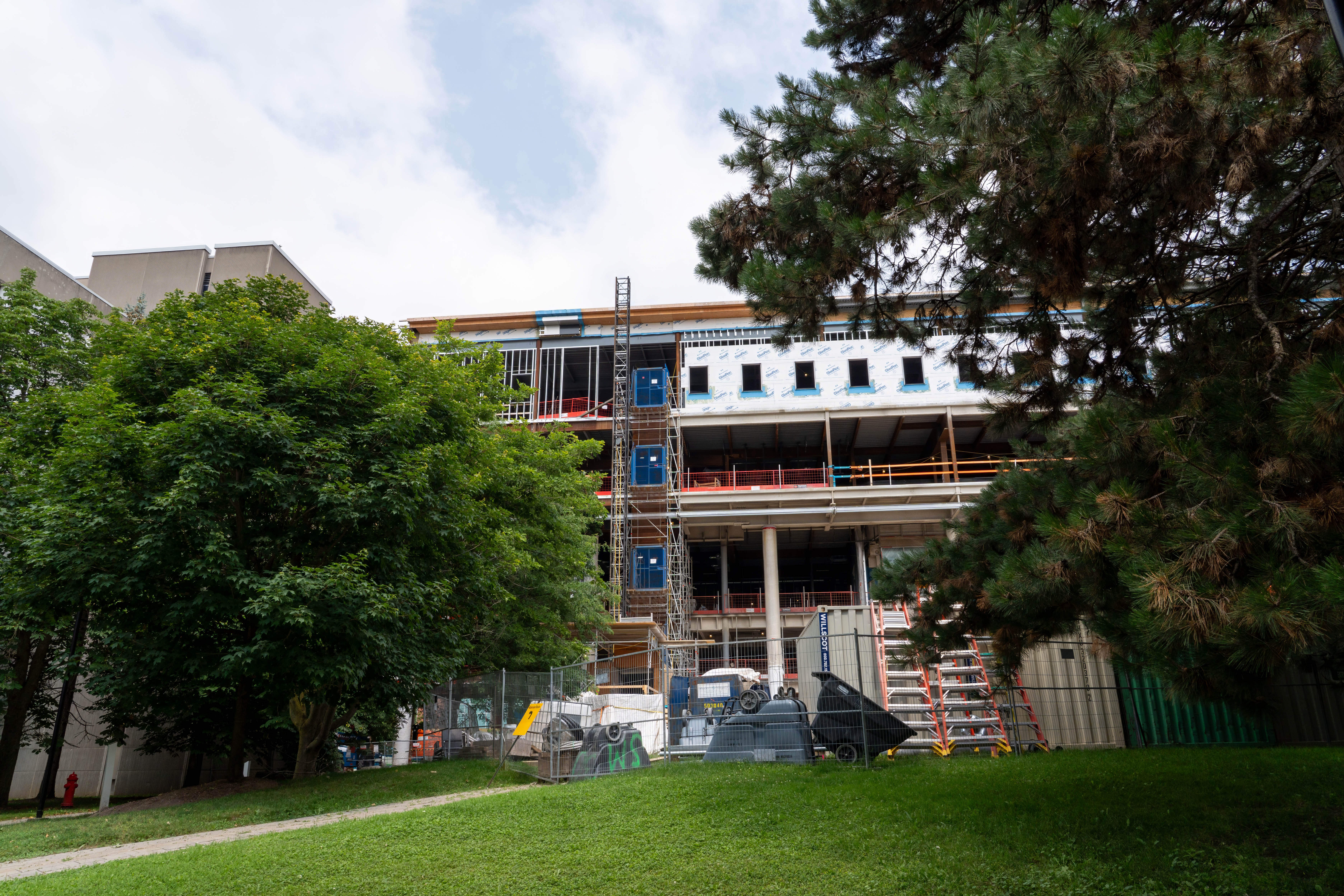
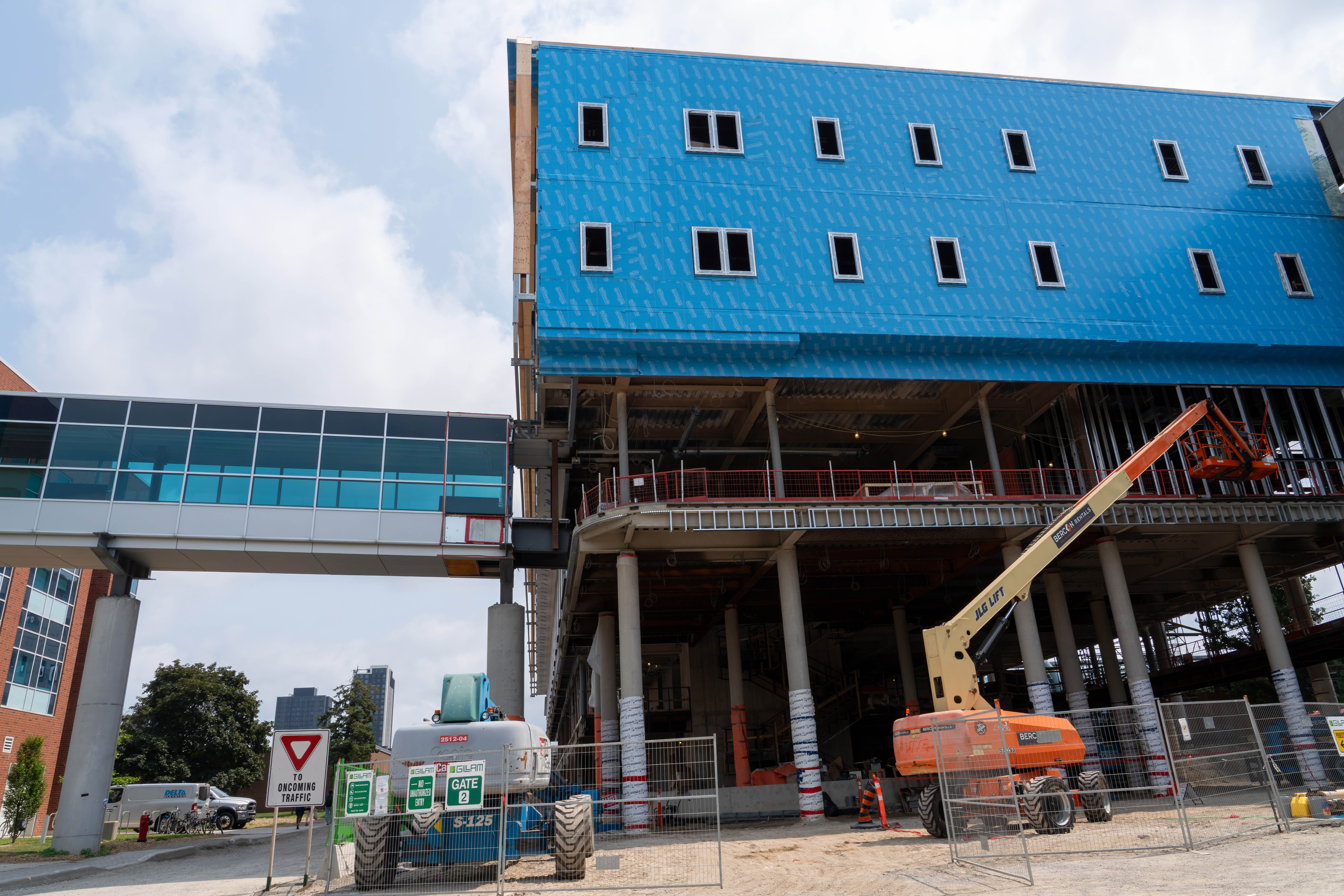
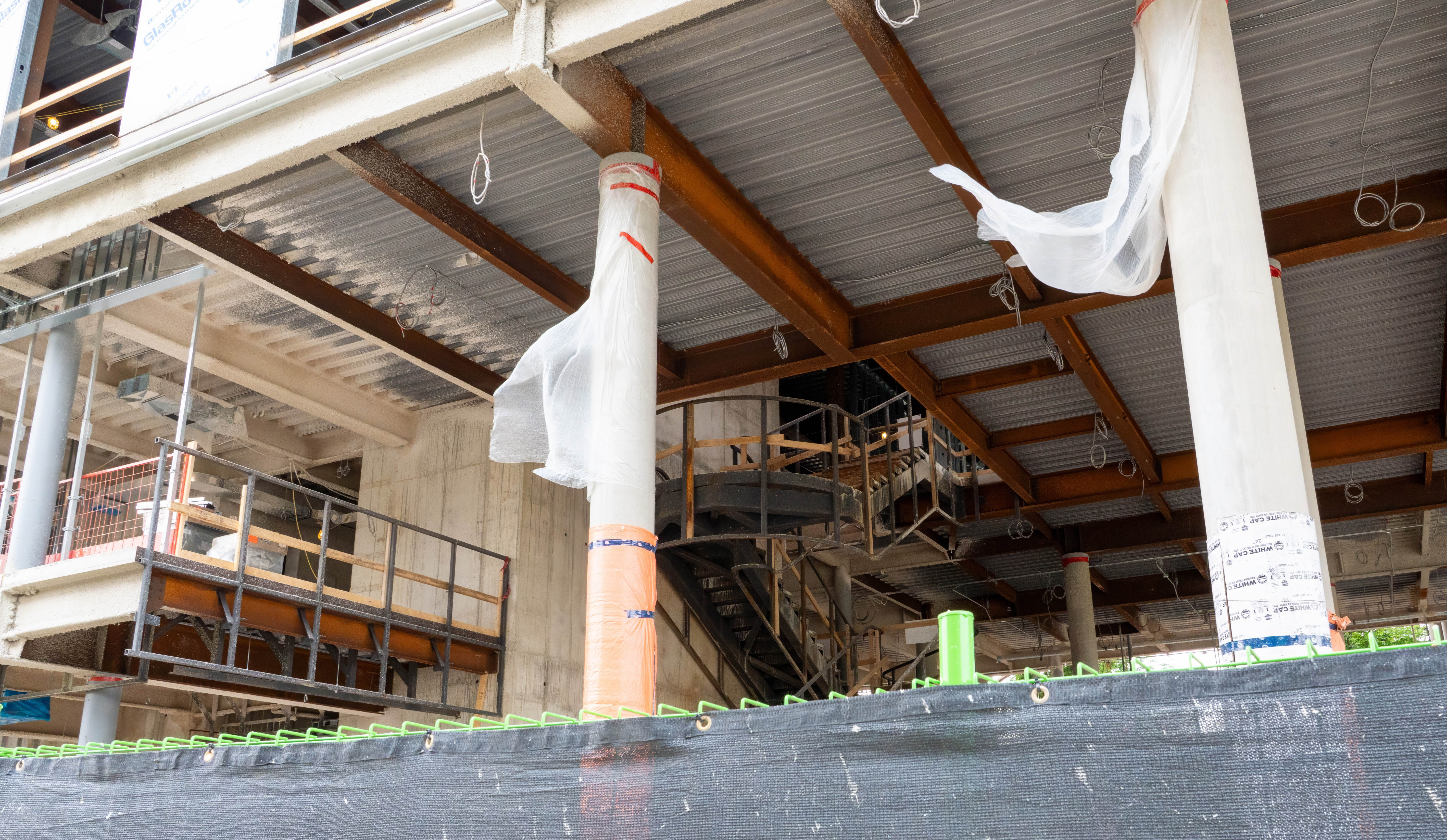
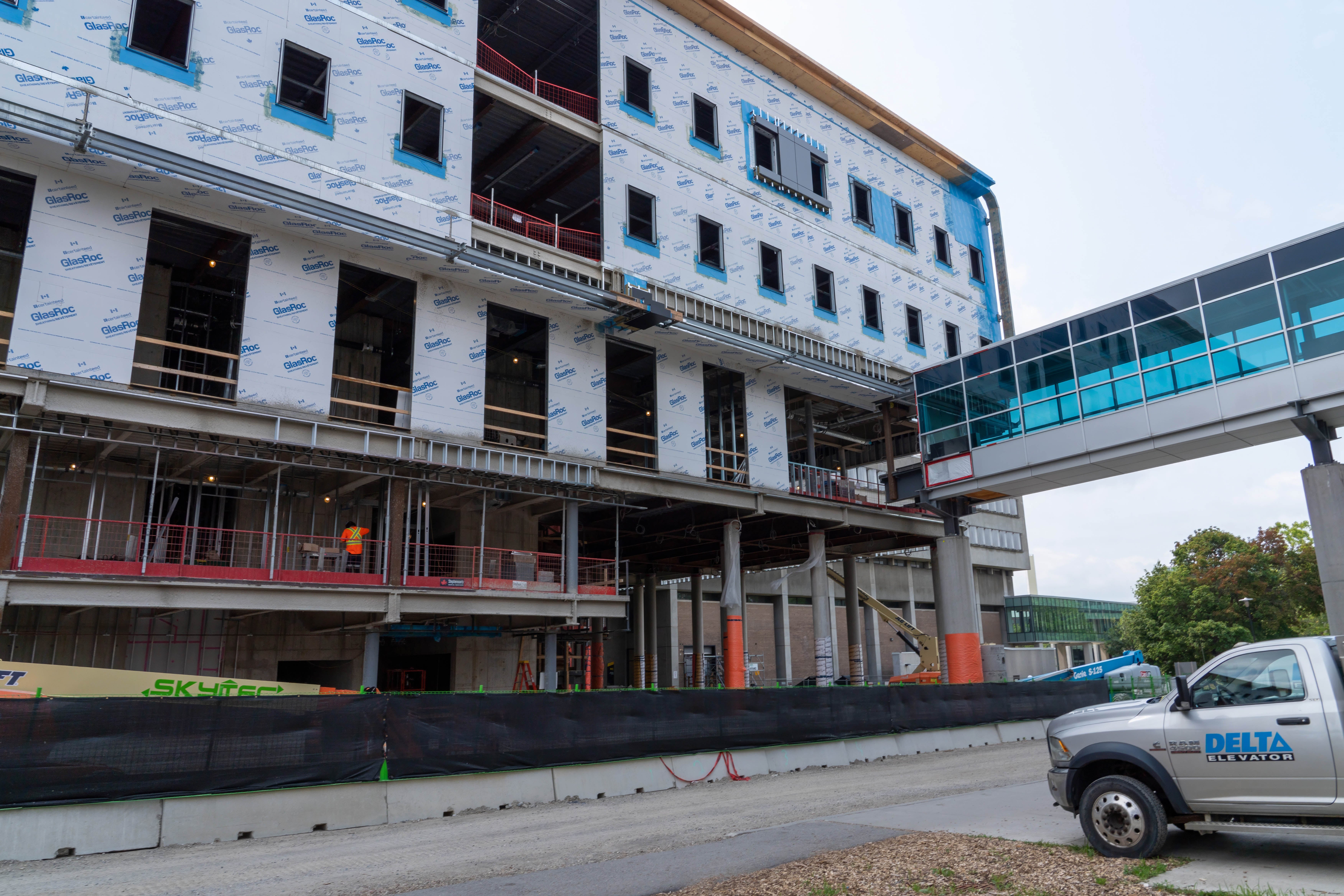
Mathematics 4 (M4) is a five-storey building continuing to take shape adjacent to Math 1 (M1) and the Davis Centre (DC). The building will create a new hub for teaching, research and student engagement.
M4 is designed to bring together computer science, statistics and mathematics researchers to enable interdisciplinary collaboration. The building will feature classrooms, laboratories, student spaces and advanced research facilities.
Among its most distinctive features is the Green Room, an energy-efficient computing facility designed to support research while helping reduce environmental impact. Sustainability is woven throughout the project, including innovative ventilation systems and a solar chimney that will help lower energy consumption.
As Waterloo continues to build upon its leadership in data science, cybersecurity and artificial intelligence, M4 will provide the space and infrastructure needed to support the next generation of innovators.


2. Waterloo Eye Institute: advancing vision care, research and education
Expected opening: 2027
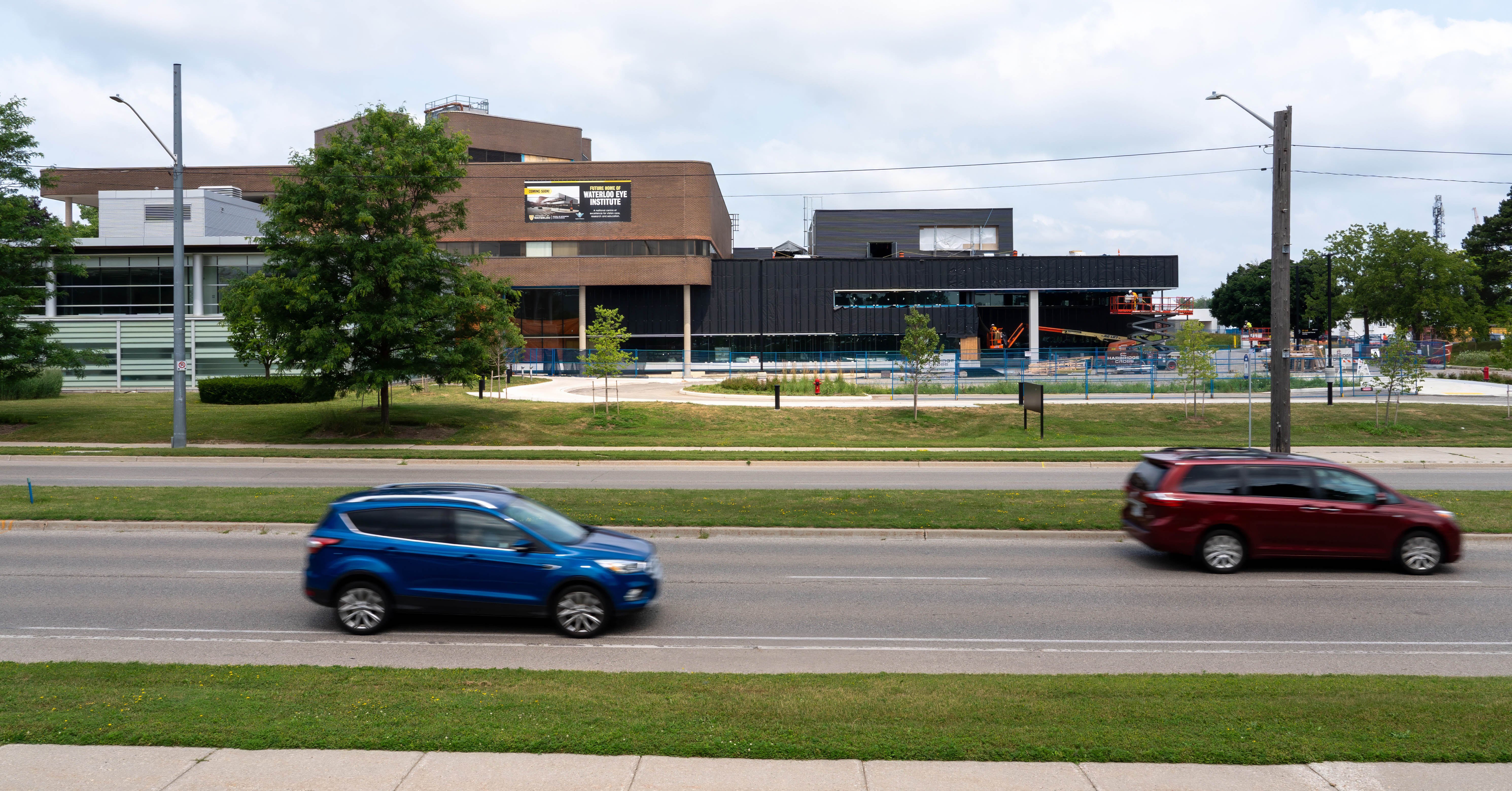
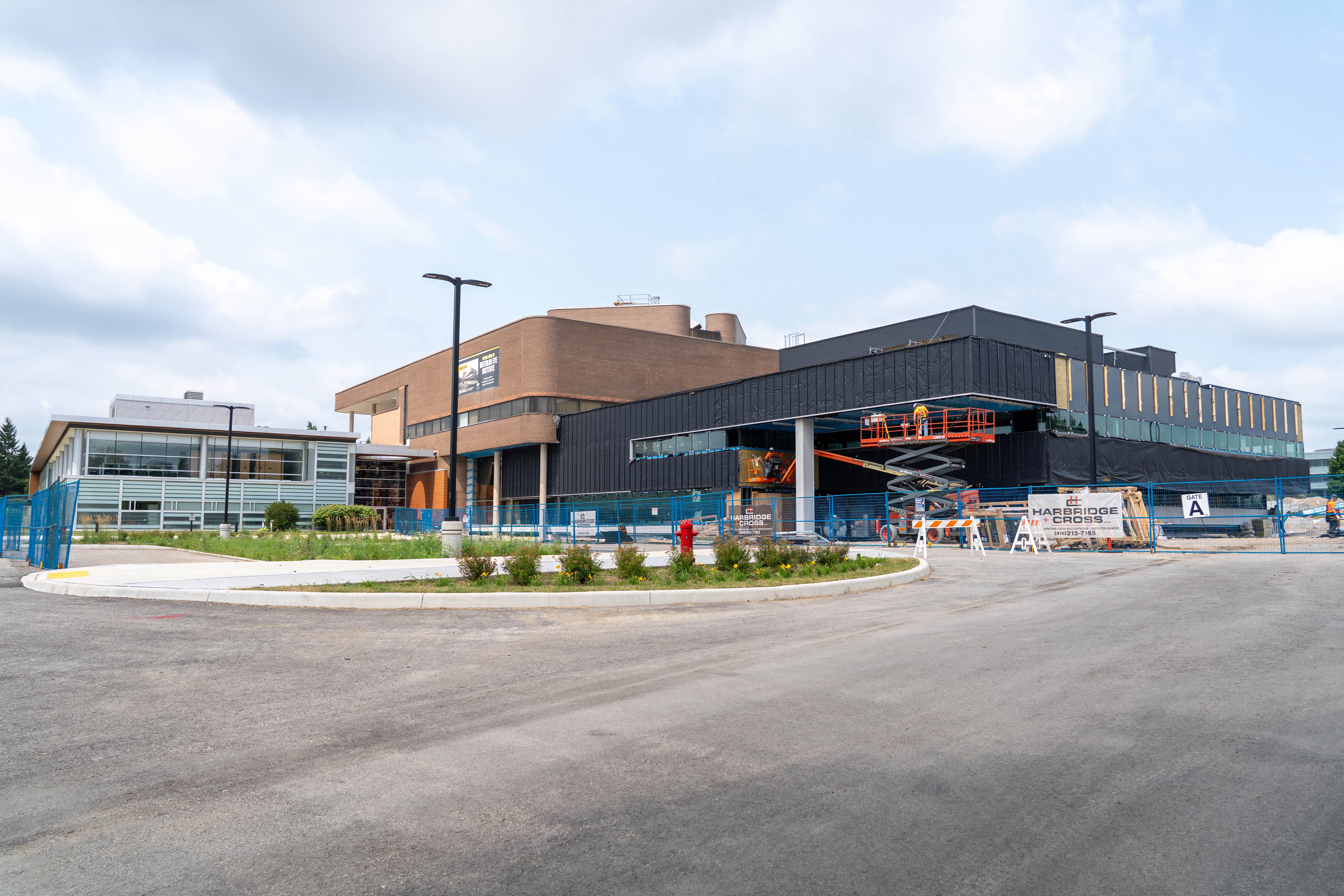
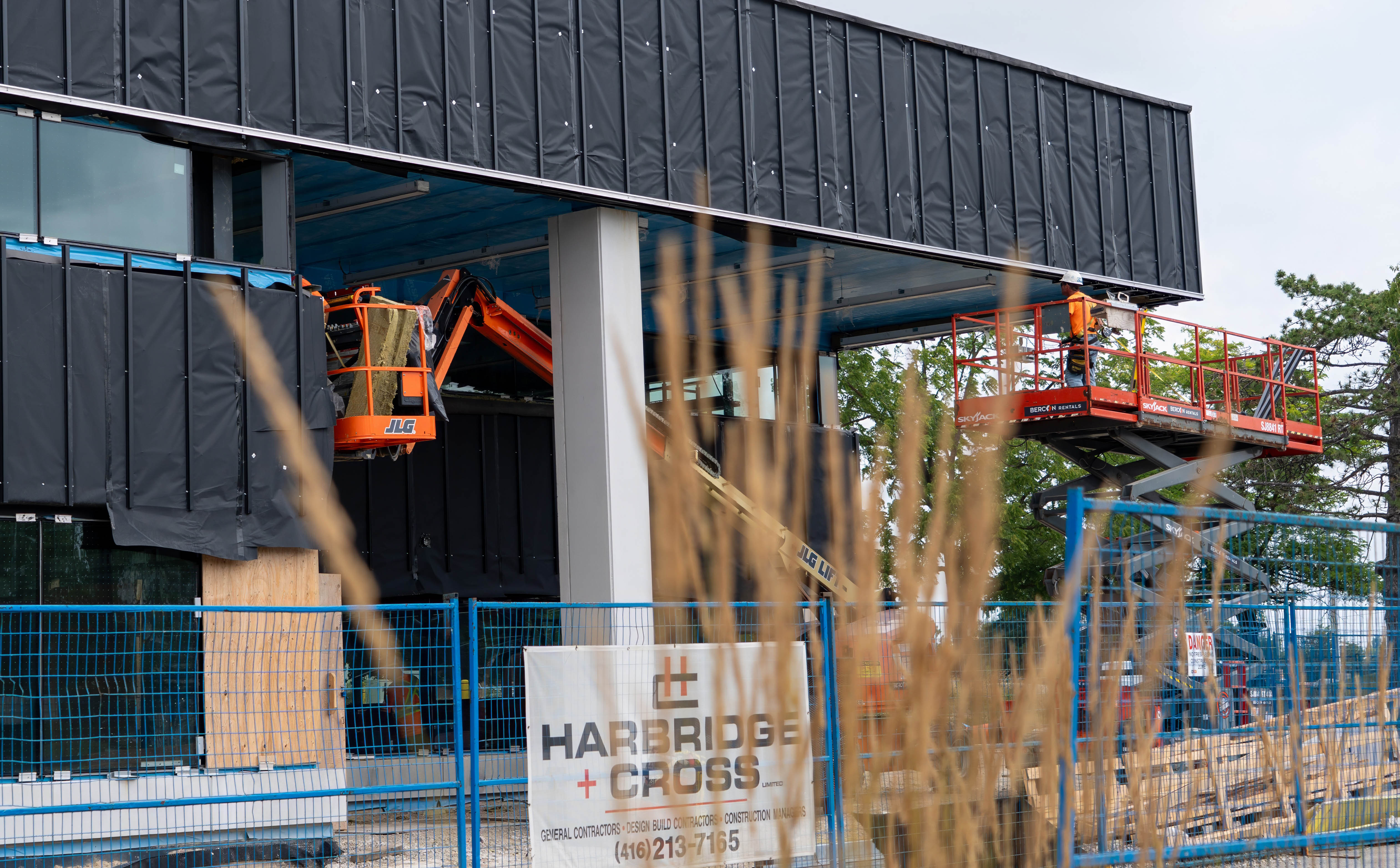
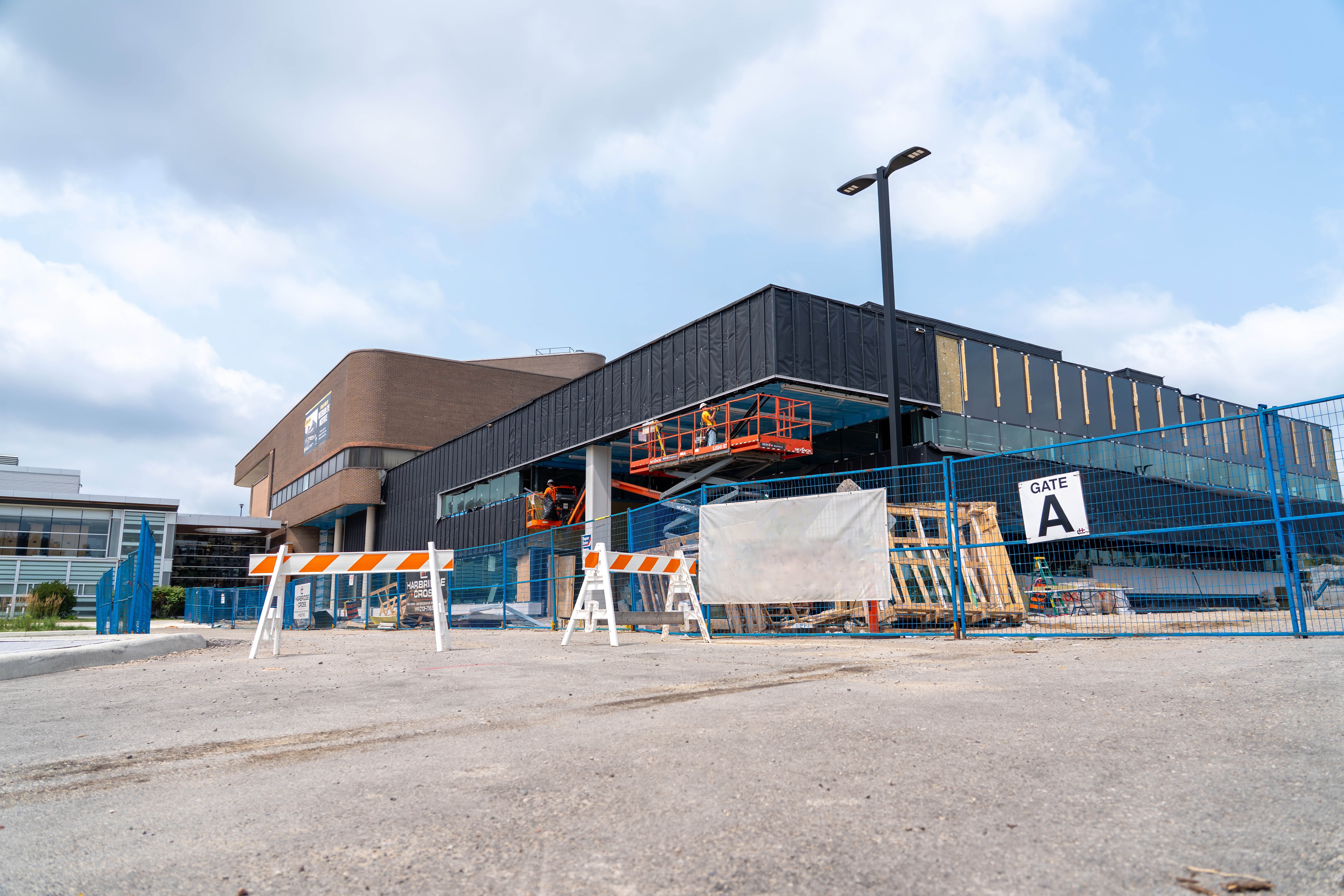
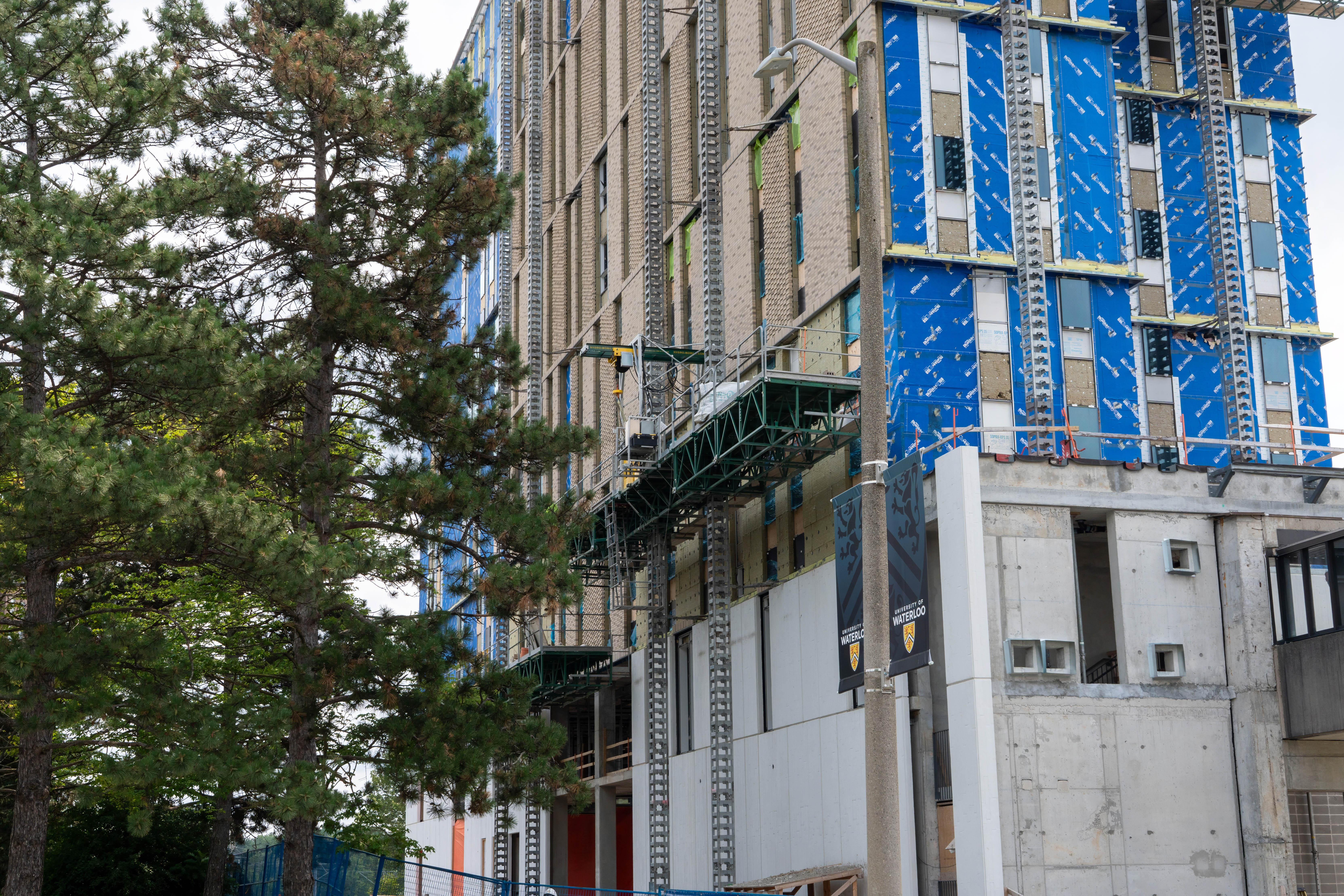
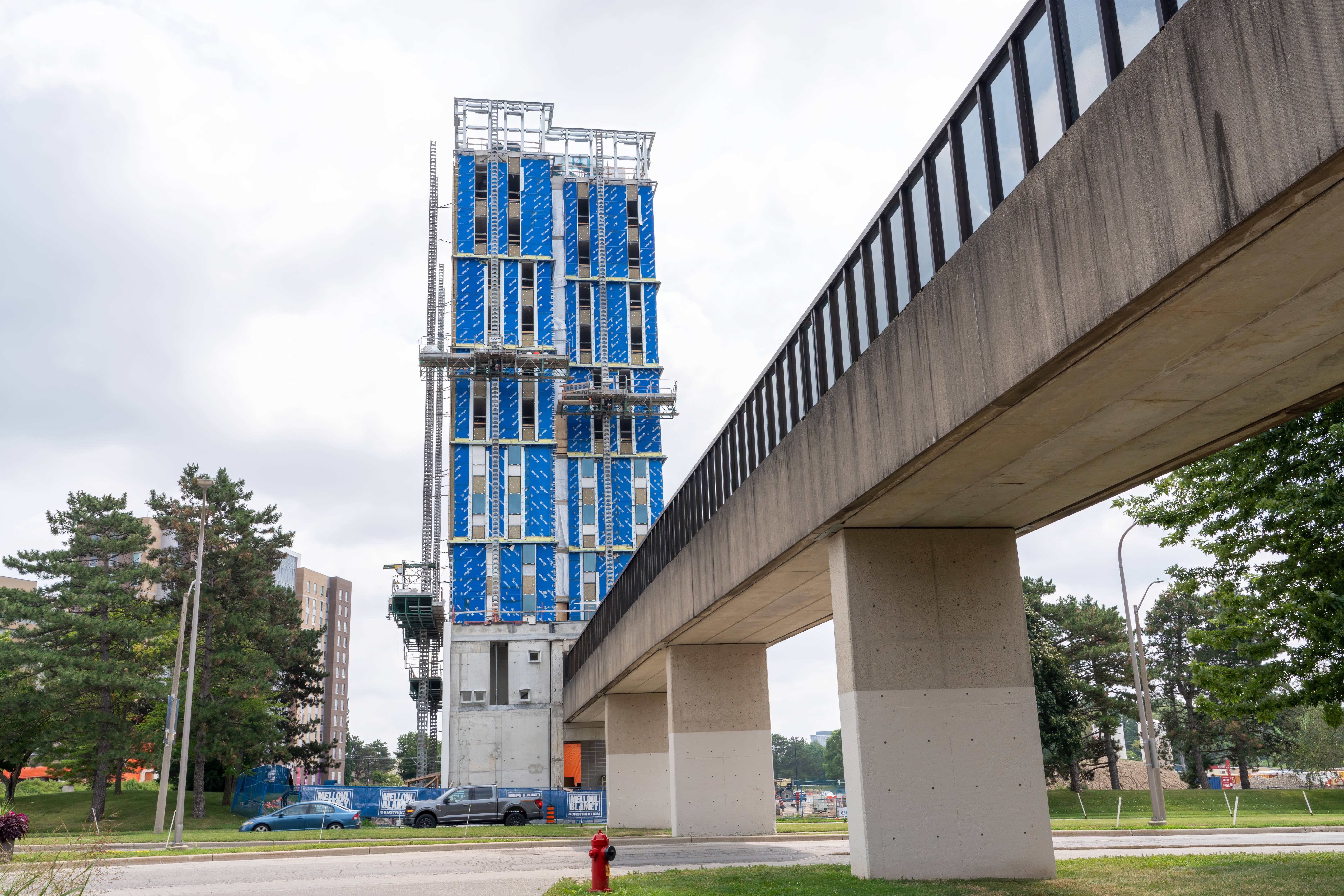
Construction is well underway on the Waterloo Eye Institute (WEI), a landmark project that will strengthen Waterloo's position as a national leader in optometric education, research and patient care.
WEI will create approximately 68,000 square feet of new and renovated space for the School of Optometry and Vision Science. The facility is designed to modernize clinical care, enhance patient experiences and provide students with access to state-of-the-art learning environments.
The institute will support advanced vision research while expanding clinical training opportunities for future optometrists. With demand for eye care services continuing to grow across Canada, the WEI is expected to become an important resource for patients, practitioners and researchers alike.
Once complete, the institute will serve as a centre of excellence that brings together teaching, research and clinical care under one roof.


3. New residence building: A place to call home
Expected opening: 2027
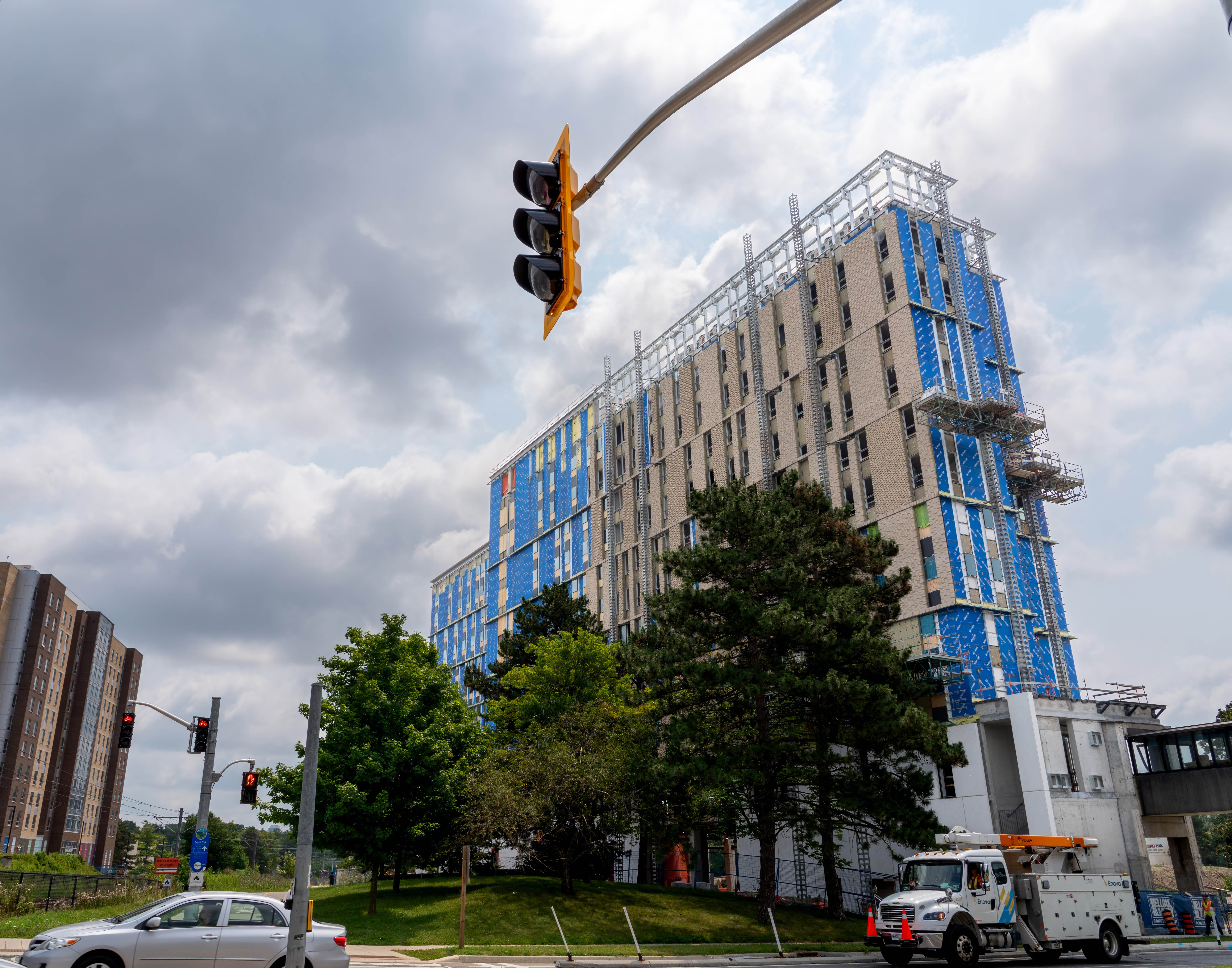
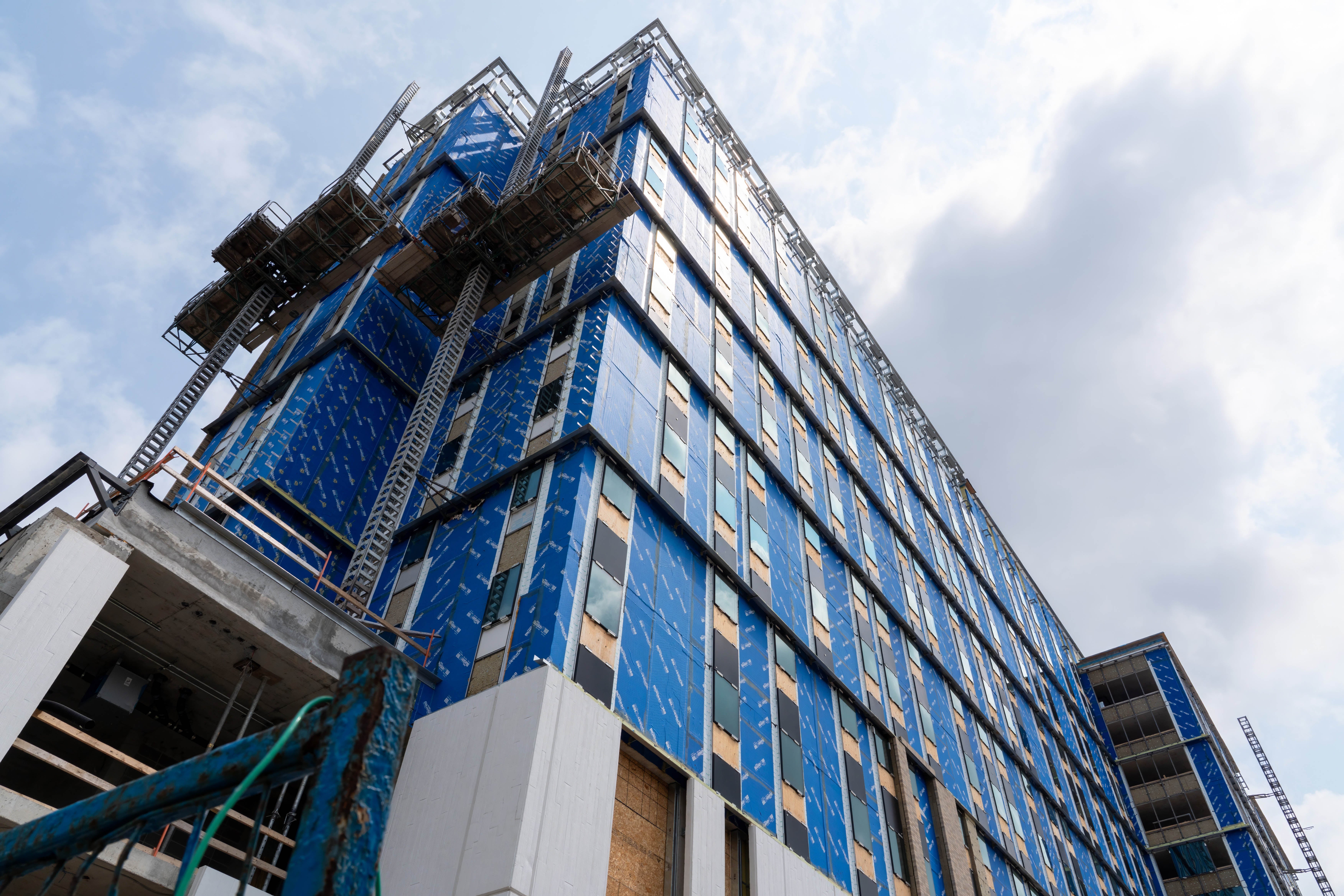
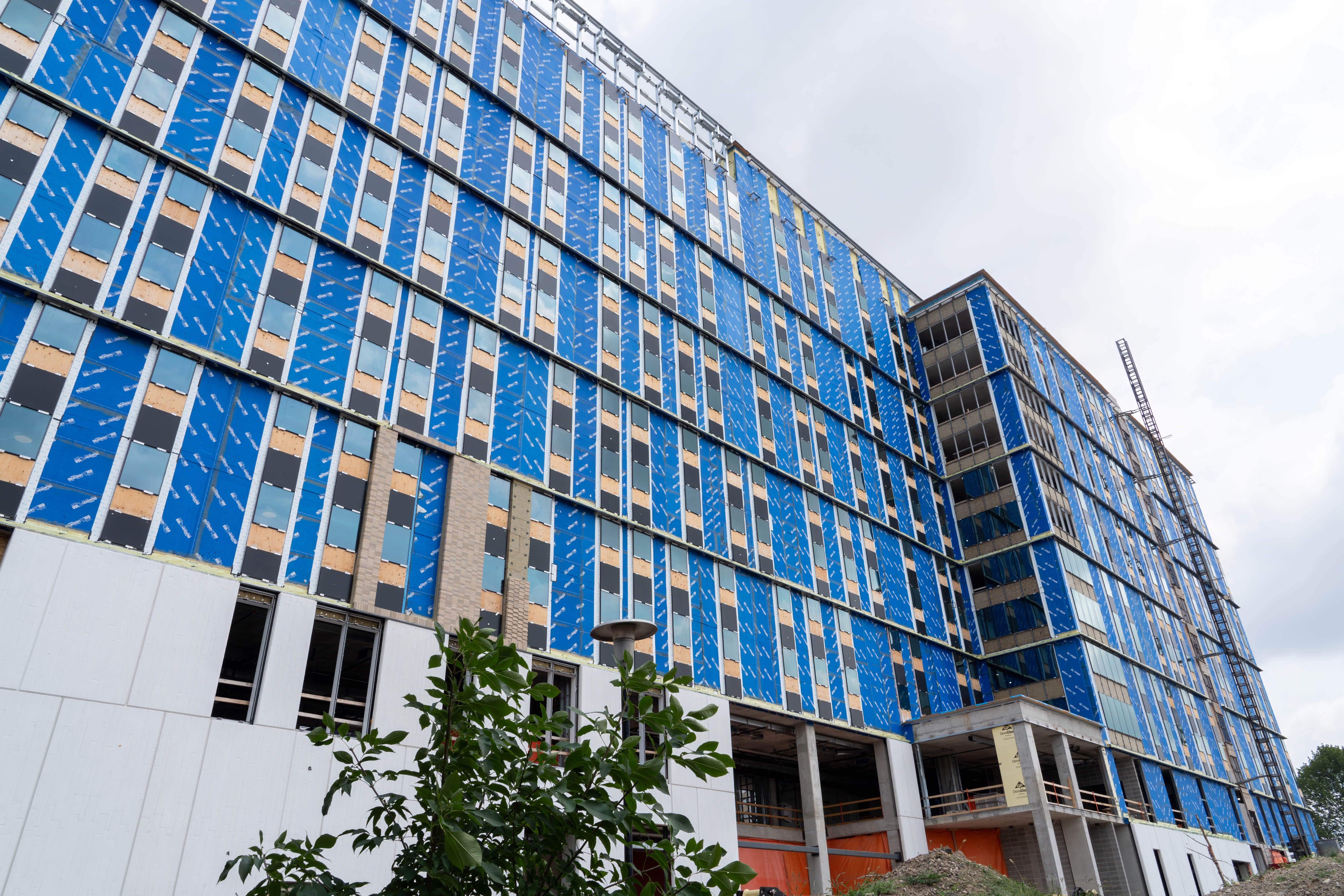
Waterloo's newest residence building will add more than 500 beds to campus while introducing a new model for inclusive and community-focused student living.
The 12-storey residence, located just across University Avenue from the Waterloo campus, is being developed with Indigenous design principles at its core. The project team worked alongside Indigenous partners to incorporate spaces that support community, wellness and reconciliation, including gathering areas equipped for smudging and a community healing garden.
The building will accommodate both undergraduate and graduate students through a mix of traditional-style rooms and apartment-style suites. Residents will also have access to lounges, study spaces, wellness supports and community gathering areas designed to foster belonging and connection.
The project also addresses the University’s commitments to sustainability and accessibility.


Together, these three projects represent investments in the future of learning, discovery and community at the University of Waterloo.
Whether supporting cutting-edge research, improving access to health care or creating new places for students to live and connect, each building reflects Waterloo's commitment to shaping a better future through innovation, purposeful action, collaboration and community support. Inspired by our values, these spaces are designed to create lasting impact for generations to come.