Waterloo Orientation turns uncertainty into belonging
Through friendships, mentorship and shared experiences, Orientation helps new students navigate the transition to university and become part of Waterloo's vibrant community
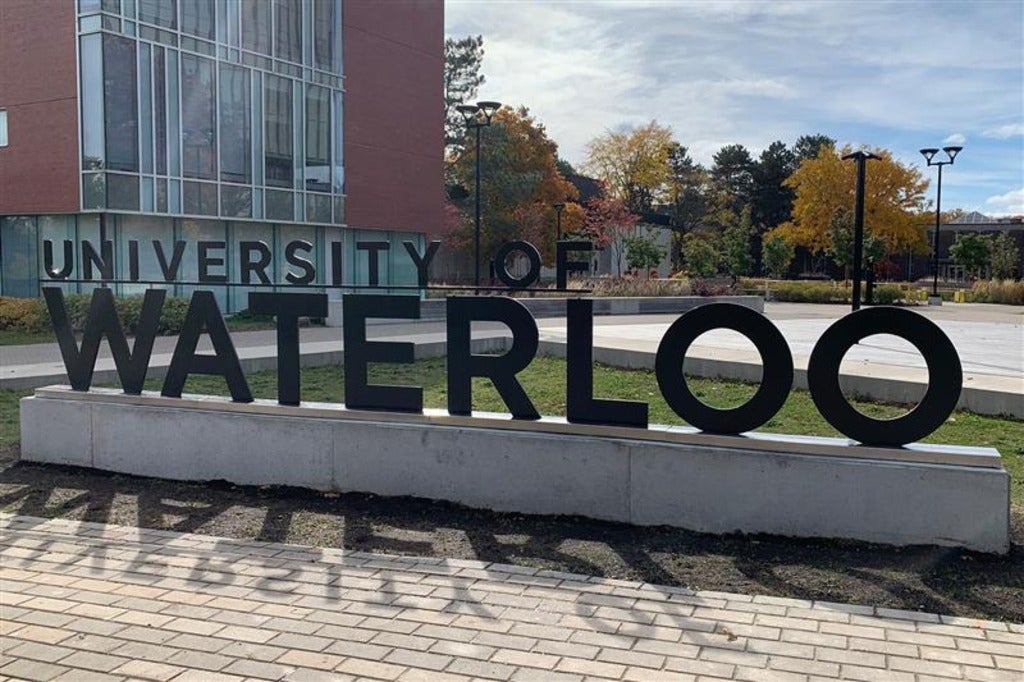
Before students attend their first lecture, write their first exam or join their first club, many are welcomed to the University of Waterloo through traditions that have connected generations of students to the University and to their faculty's history and culture.
When Remi Rotenberg arrived at Waterloo in 2022, she was excited to experience Engineering Orientation after hearing stories from her father (Meir Rotenberg, BASc ’89), a Waterloo Engineering alum. The experience included taking part in the long-standing purpling tradition and receiving the faculty's iconic yellow hard hats, symbols recognized by generations of Waterloo engineers.

"Immediately I felt welcomed," says Rotenberg, now a fourth-year Civil Engineering student. "My leaders were so excited to have us there, and that made me excited to be there too."
In Arts, students learn the “Rowdy Arts Dance” (RAD) dance and earn the faculty's signature orange shades, traditions that celebrate creativity and faculty pride. “By putting on the orange shades, you're officially become a member of the Faculty of Arts,” says Gurman Johal, a third-year Accounting and Financial Management student. “Participating in Arts Orientation helped me feel more immersed into the experience and made me feel like I belonged at Waterloo.”

In Environment, students are welcomed through evolving traditions. While the Faculty is welcoming a new bee mascot, the Big Banana remains at the core of Orientation. New students will continue to be taught the Banana's origin story, and Orientation will continue traditions like learning the Sustainable Movement Dance.

“All the faculties have unique orientation traditions that I think gives students a special sense of community knowing that you’re sharing some of the same historical traditions that the classes decades before you have,” says third-year Honours Planning student, Tracy Tran. Tran says Orientation provides an opportunity to embrace school spirit and meet people from across campus.

Students in the Faculty of Health play Chalk Throw, a unique spin on the game Capture the Flag, where participants use chalk to disqualify players. They also participate in the “Earn Your Frisbee” ceremony, where they take the Health Oath, acknowledging that health is a state of complete physical, mental and social well-being.
For Philip Dye, a fourth-year Recreation and Sport Business student, Orientation traditions harness and celebrate a sense of community. “I'd say our tradition is just being super welcoming, super excited, and ready to push the idea of health forward.”

Math students learn the faculty dance and participate in the Pink Tie Ceremony. The tradition dates back to 1968 and honours faculty founder Ralph Stanton, whose colourful neckties inspired the pink tie that remains a symbol of Math pride today.
Robyn Bhola, a third-year Math (Data Science) student from Trinidad, remembers Orientation as her first introduction to campus life. “The math dance and the tie ceremony when our dean comes up and walks us through that is a big thing. Orientation leaders really did a good job really hyping it up and being super welcoming.”
Science welcomes students with spirit events and hands-on activities. Students join colour teams that reflect their programs, learn the Secret Science Dance (SSD) and pledge to the (lab) goggles, an oath focusing on honesty and pride.
Third-year Biomedical Science student, Areebah Akhtar, says Orientation and its traditions set her up for success. “It's important to find or be willing to be a part of a community in first year because it can become the backbone of your entire support system.”

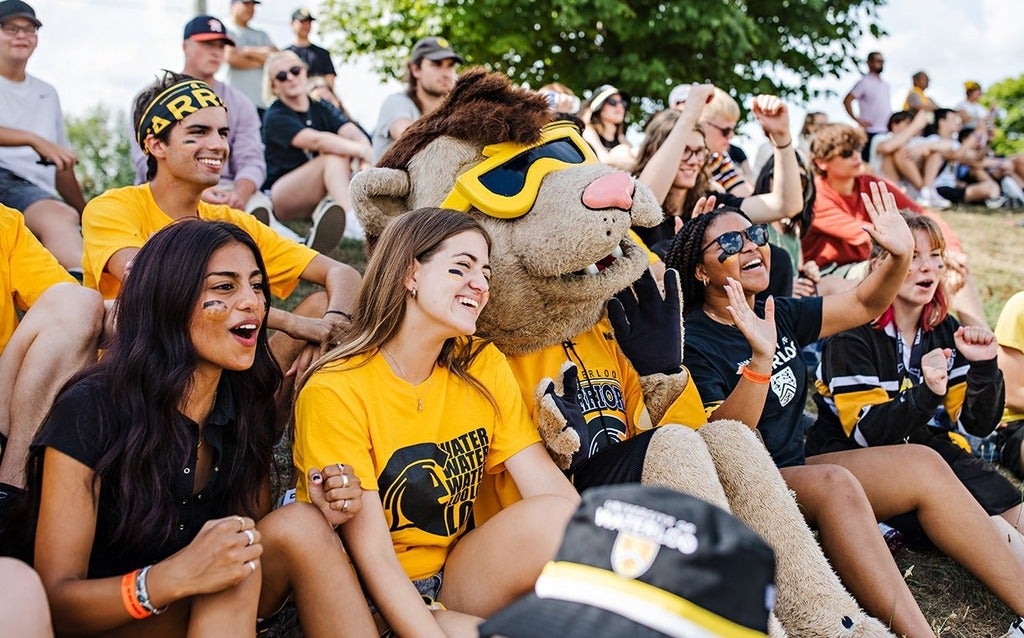
Many of the connections that students make during that first week last well beyond Orientation. Bhola and Akhtar both count people they met at Orientation among their closest friends and roommates.
As a new class prepares to arrive on campus, the students offer similar advice: show up, participate and give yourself time to adjust.
"It's hard walking into a place where you don't know anyone," Rotenberg says. "But everyone's nervous. Put yourself out there, talk to people and find your community."
"Everything takes time," Akhtar says. "Don't feel like you need to rush things just because there are people moving faster than you."
Long after the dances are learned, the hard hats are handed out, the pink ties are pledged and the Banan-danas are tied, the impact of Orientation remains.
For many Waterloo students, Orientation is the beginning of friendships, support networks and experiences that shape their university years. It’s the foundation that turns the campus into a community.