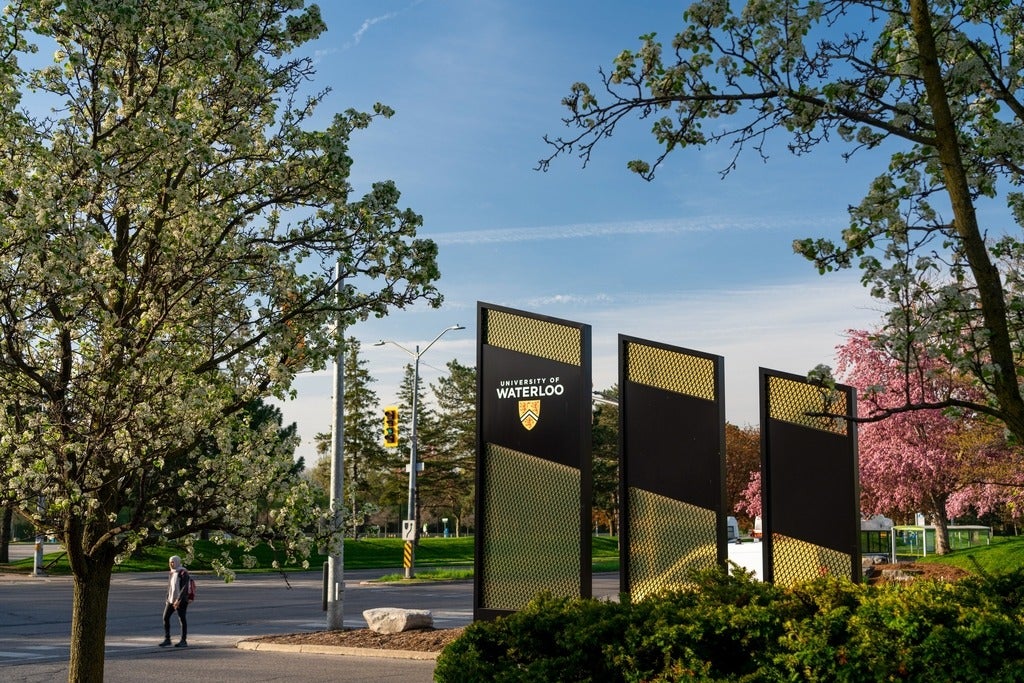
Waterloo rises in 2027 QS World University Rankings
Strong global performance reflects impact in research, employability and innovation
The University of Waterloo is ranked 113th in the world in this year’s QS World University Rankings, jumping six spots from last year while holding its place as fifth in Canada.
The rankings assess more than 1,500 universities across 106 countries and compare key indicators including academic reputation, research activity and graduate outcomes. Results are based on datapoints from 16.4 million academic papers and the views of more than 151,000 academics and 100,000 employers.
QS describes the rankings as “an important tool for benchmarking academic excellence, helping guide students, scholars and institutions in their decision-making.”
Employer reputation, a long-standing strength for Waterloo, climbed 10 spots as the University continues to be well regarded by recruiters, particularly for producing graduates who can contribute early in their careers.
That reputation is closely tied to Waterloo’s co-operative education model. The University runs the largest co-op program of its kind, with students alternating between academic terms and paid work placements.
By graduation, many have accumulated up to two years of experience, often across multiple roles and organizations. Employers across sectors, including technology, finance, health and the public service, continue to recruit heavily from Waterloo for that reason.
While not directly used in the QS ranking methodology, the University’s extensive entrepreneurial ecosystem has established a strong track record of supporting student and researcher-led ventures through incubators and commercialization supports. That work has resulted in a steady flow of startups and strengthened links between campus research and the broader innovation economy.
In the academic reputation indicator, Waterloo improved by nine spots and now sits 200th in the world.
QS rankings also assess research impact and international engagement, where Waterloo performs well. This strong standing helps highlight the university’s strengths in areas such as quantum technologies, artificial intelligence and sustainability.
Much of this activity is organized through Waterloo’s Global Futures framework, which brings together researchers, industry and community partners to address complex challenges in health, society, sustainability, emerging technologies and economic resilience.
The QS 2027 rankings highlight wider pressures facing Canadian universities. As institutions around the world expand capacity and compete aggressively for talent and funding, holding or improving their position in global rankings has become more difficult.
Waterloo’s gradual upward movement in the rankings illustrates its ability to adapt to changing priorities across the sector and society while maintaining a focus on research, teaching and the student experience.
The University continues to be influenced by its founding principles of community collaboration and a desire to build an institution unlike any other. That foundation still influences Waterloo’s academic programming and research priorities alongside external collaborations and real-world need.
While rankings capture only part of an institution’s activity, this year’s QS results point to gains in important areas for Waterloo and a continued ability to hold its position as global competition intensifies.