Research

Friday, June 1, 2018

Harnessing the vast potential of AI

by Brian Caldwell, Faculty of Engineering

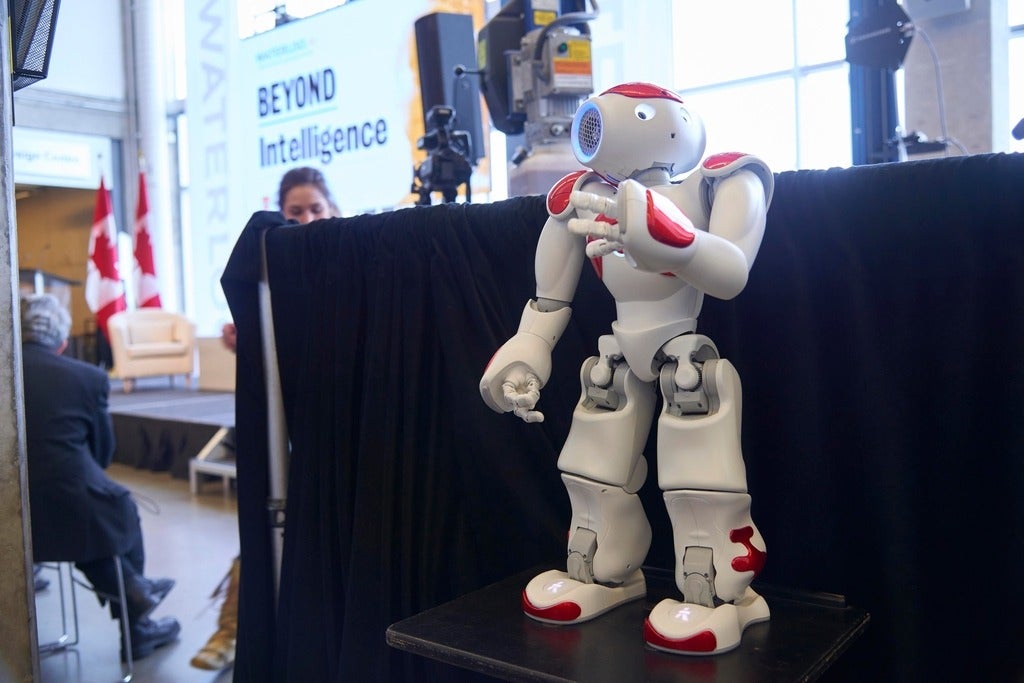
Tapping the power of artificial intelligence (AI) is at the heart of several new initiatives at Waterloo Engineering, including an institute to foster collaboration with industry partners and an option for high-achieving undergraduate students.

While building on expertise developed at Waterloo in the last several decades, the initiatives recognize and anticipate the tremendous potential of AI technology to evolve, improve and expand in the future.

Friday, June 1, 2018

Non-invasive technology promises to reduce biopsies

by Carol Truemner, Faculty of Engineering

A medical startup has developed cutting-edge imaging technology that has the potential to detect skin cancer without leaving a mark.

Elucid Labs uses artificial intelligence (AI) technology in a small non-invasive imaging device to analyze moles and other skin lesions for signs of skin cancer, helping dermatologists make faster, more accurate decisions and reducing the number of unnecessary biopsies.

Friday, June 1, 2018

Grand Opening of Engineering 7

by Beth Cotter, Faculty of Engineering

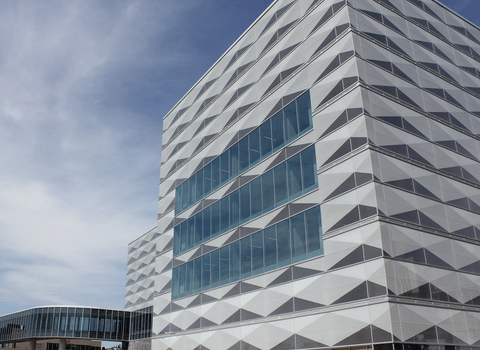
It’s official!  Monday, October 29, 2018 is the Grand Opening of Engineering 7.

Attached to both E5 and E6, this seven-storey, 242,000-square-foot building will be a new vibrant home for students, faculty, research facilities and staff.

Thursday, May 31, 2018

Expert Advisory – Cybersecurity

by Media Relations

News that two Canadian banks were hacked earlier this week with the account information of approximately 90,000 Canadians stolen has reignited concerns over personal data security. 

The University of Waterloo has experts available to speak on the issue cybersecurity. 

Florian Kerschbaum - interim director of the Waterloo Cybersecurity and Privacy Institute

Tuesday, May 29, 2018

The future of tech at Waterloo

by Staff, University Relations

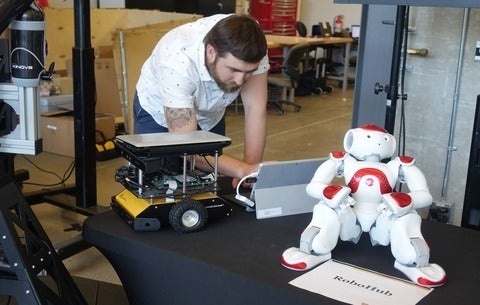
As humans adapt to a future of interacting and working with robots, researcher Brandon DeHart asks the question: “What happens if a 200-kilogram industrial robot falls on a worker in a warehouse?”

While artificial intelligence is making its way into everything from health care to financial services, DeHart cautions there is still a long road ahead before physical robots are seamlessly integrated into our society.

Researchers using powerful supercomputers have found a way to generate microwaves with inexpensive silicon, a breakthrough that could dramatically cut costs and improve devices such as sensors in self-driving vehicles.

“Until now, this was considered impossible,” said C.R. Selvakumar, an engineering professor at the University of Waterloo who proposed the concept several years ago.

High-frequency microwaves carry signals in a wide range of devices, including the radar units police use to catch speeders and collision-avoidance systems in cars.

Wednesday, May 23, 2018

Chemical Engineering student is a Canadian 3MT finalist

by Beth Cotter, Faculty of Engineering

Gregory Lui
Waterloo Engineering doctoral student Gregory Lui is one of 11 Canadian Three Minute Thesis (3MT) finalists who will compete in the national leg of the competition in the next few weeks.

Tuesday, May 22, 2018

Kids show adult-like intuition about ownership

by Media Relations

Children as young as age three are able to make judgements about who owns an object based on its location, according to a study from the University of Waterloo. 

The findings also show that children can sense an item’s ownership without seeing someone interact with it. They intuitively know who owns an item, even if their parents have not pointed that out to them. 

Friday, May 18, 2018

Climate change broadens threat of emerald ash borer

by Staff, University of Waterloo

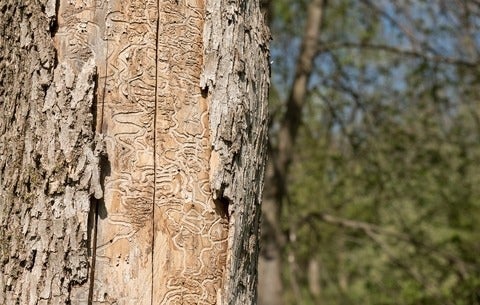
More Canadian cities will experience damage from the emerald ash borer than previously thought. As a result of climate change and fewer days of extreme cold, the beetle may eat its way further north than originally estimated.

Kim Cuddington, a professor of biology at the University of Waterloo, led the team that produced a probability map for North America showing where the emerald ash borer is likely to kill trees.

Thursday, May 17, 2018

"Smart clothing" aims to predict failing health

by Eugenia Xenos Anderson, Faculty of Applied Health Sciences

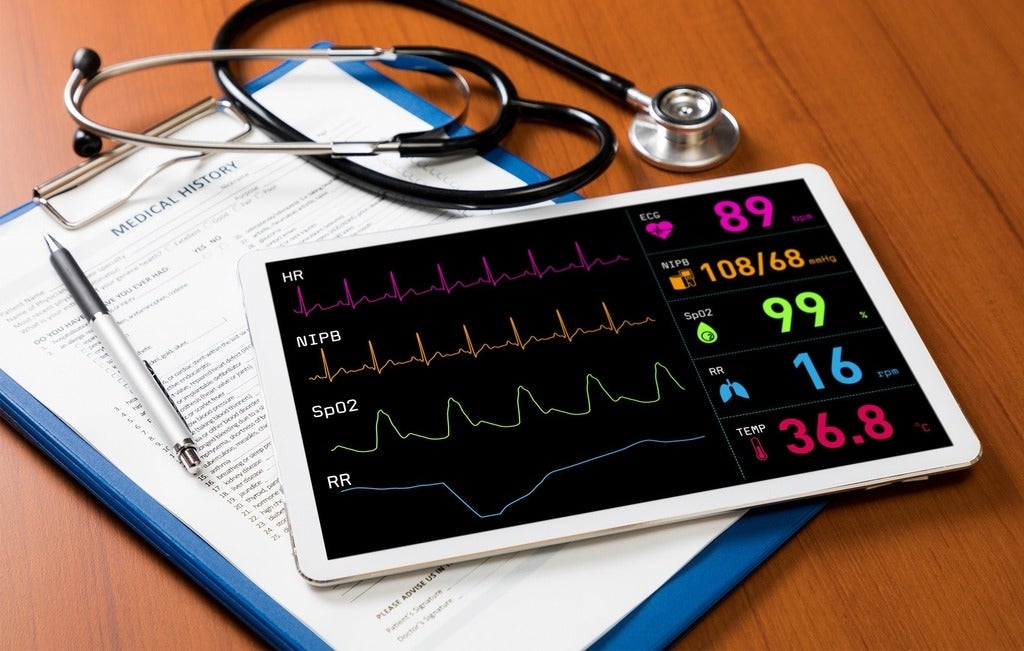
A team of Waterloo researchers found that applying artificial intelligence to the right combination of data retrieved from wearable technology may detect whether your health is failing.

The study, which involved researchers from Waterloo’s faculties of Applied Health Sciences and Engineering, found that the data from wearable sensors and artificial intelligence that assesses changes in aerobic responses could one day predict whether a person is experiencing the onset of a respiratory or cardiovascular disease.