Research

Tuesday, November 10, 2015

Expert: Health evidence supports an Ottawa hookah ban

by Media Relations

“Hookah use has been bucking the trend of decreasing tobacco use among Canadian youth, and misperceptions of harms caused by hookah smoking persist,” said Minaker. “Toronto now joins 35 other Canadian municipalities that have shown a commitment to improving public health by restricting hookah use in public establishments. All the health evidence supports this being a clear decision for Ottawa and municipalities across the province.”

Last Wednesday, Toronto councillors voted 43-3 in favour of the ban, which will take effect April 1, 2016.
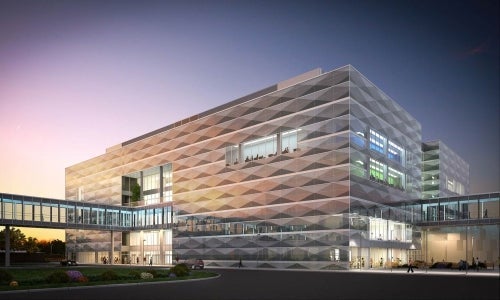
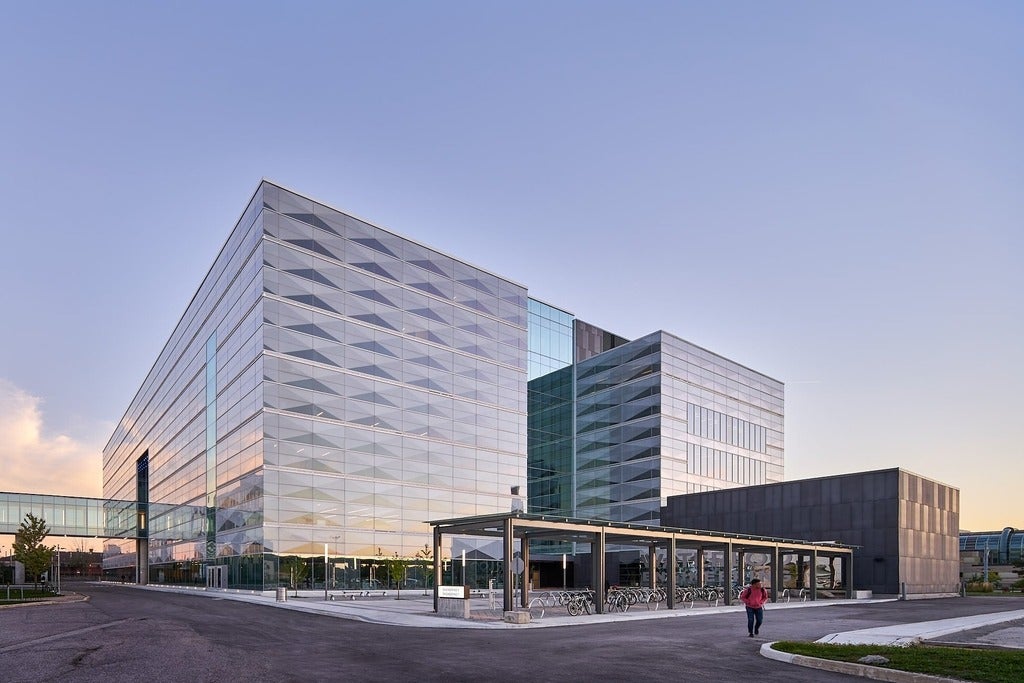
The University of Waterloo will break ground on Engineering 7 this week, an $88-million building that will feature facilities designed to expand student-driven innovation and advanced research labs to develop emerging technologies that will boost the nation’s global competitiveness.

Architectural illustration of Engineering 7.

Architectural illustration of Engineering 7. (Perkins+Will)

Thursday, November 5, 2015

People attribute moral obligation and blame, regardless of ability

by Media Relations

Professor John Turri and postdoctoral researcher Wesley Buckwalter of the Department of Philosophy at Waterloo investigated the link between being morally obligated to do something and having the ability to do it. Traditional philosophical wisdom says that “ought implies can.” However, their recent study found that people routinely attribute moral obligations to people who cannot fulfill them.

Tuesday, November 3, 2015

Thousands expected for UWaterloo's Fall Open House

by Media Relations

Visitors can take a guided tour of campus with a current student and explore the campus, check out residences, and tour the buildings and lecture halls. Each of Waterloo’s six Faculties will host information sessions to provide program and admissions details. Faculty events include tours, sample lectures, workshops, and student panels.

Sunday, November 1, 2015

New E7 building will transform how engineers are educated

by Angela Pause, Faculty of Engineering

Construction of the Faculty of Engineering's new Engineering 7 (E7) building began at a ground-breaking event that included robots, autonomous vehicles and good old-fashioned shovels.

Sunday, November 1, 2015

Research that really sticks

by Shane Schick, Faculty of Engineering

About a year ago, several news outlets published stories with playful headlines that included “Static electricity helps geckos get a grip,” and “Shocking! Geckos use static electricity to stick to walls.” The discovery by researchers at the University of Waterloo behind all those stories, however, has much bigger implications that could include breakthroughs in everything from art restoration to car tires to medical applications such as promoting wound healing.

Sunday, November 1, 2015

Medicine meets engineering

by Kelly Pedor, Faculty of Engineering

Coming from a family of engineers, Pascale Walters knew that Waterloo was her first choice for engineering, but picking a discipline wasn’t easy. She liked physics, kinesiology, mechatronics engineering and systems design engineering. Walters wasn’t sure how she would decide — until she came across Waterloo’s new biomedical engineering undergraduate program.

Friday, October 30, 2015

New Schlegel-UW Research Institute for Aging opens

by Christine Bezruki, Faculty of Applied Health Sciences

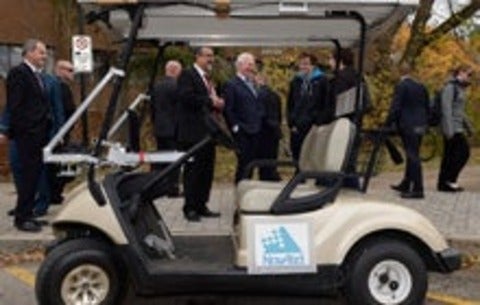
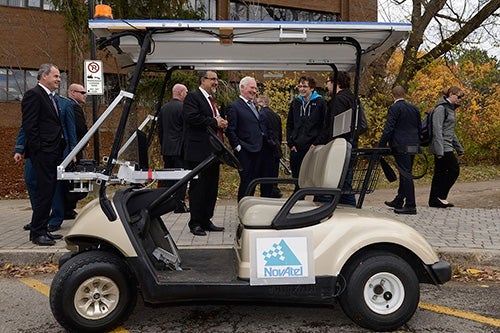
Dignitaries standing around a self-driving golf cart

University of Waterloo President Feridun Hamdullahpur and His Excellency the Right Honourable David Johnston, Governor General of Canada, meet with student members of the Varden Labs Autonomous Vehicles team on Friday, Oct. 30, following the opening of the Schlegel-UW Research Institute for Aging at Waterloo.

The Centre of Excellence for Innovation in Aging is on the north campus of the University of Waterloo and is home to the Village at University Gates, a 192-bed long-term care home operated by Schlegel Villages, and a new 30,000-square-foot research facility for the Schlegel-UW Research Institute for Aging (RIA).