Research

Thursday, March 23, 2023

New in-home AI tool monitors the health of elderly residents

by Media Relations

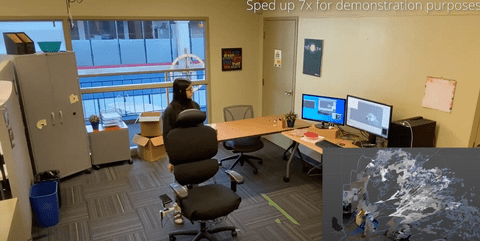
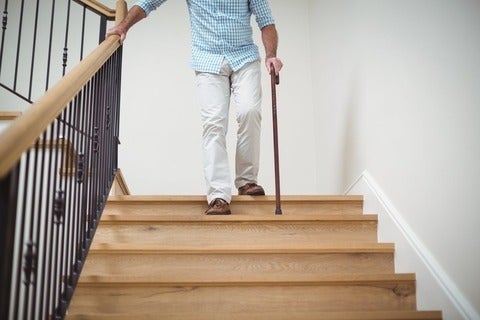
Engineers are harnessing artificial intelligence (AI) and wireless technology to unobtrusively monitor elderly people in their living spaces and provide early detection of emerging health problems.

The new system, built by researchers at the University of Waterloo, follows an individual’s activities accurately and continuously as it gathers vital information without the need for a wearable device and alerts medical experts to the need to step in and provide help.


Wednesday, March 22, 2023

Banking crisis echoes 2008 but with ‘marked differences’

by Jon Parsons, University Relations

The recent collapse of banks in the United States and this week’s intervention by the Swiss government to facilitate the takeover of banking giant Credit Suisse might have some worried about a repeat of 2008.

Dr. James R. Thompson, associate professor in the School of Accounting and Finance and co-director of the University of Waterloo’s Computing and Financial Management program, says that while it is not the same type of crisis, some of the results could well turn out to be the same.

Monday, March 20, 2023

Showcasing the future of green auto tech

by John Roe, Faculty of Engineering

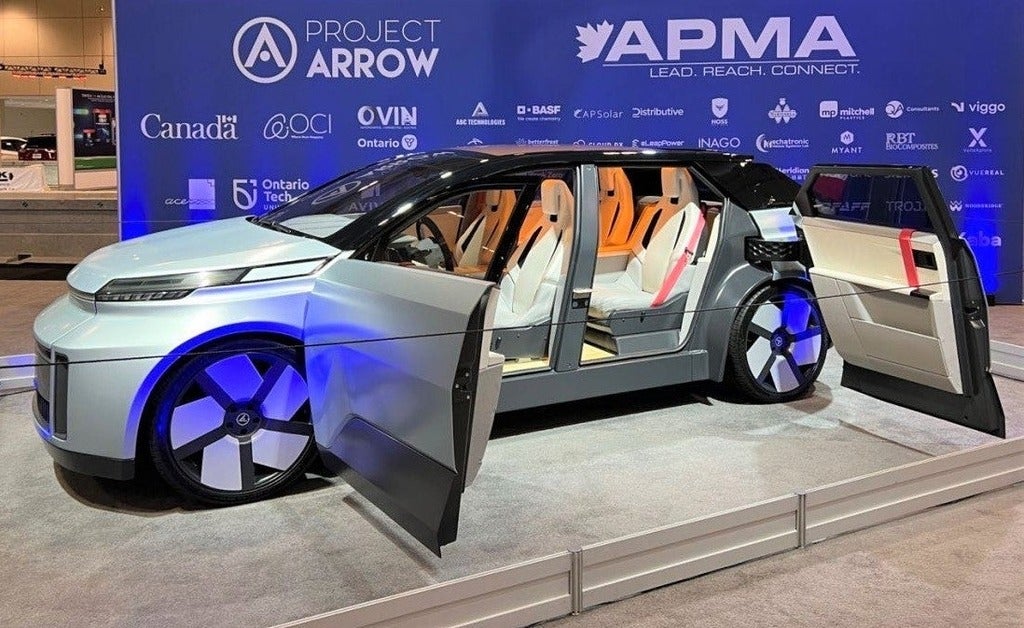
An all-Canadian electric vehicle caused a sensation when it was unveiled at the Canadian International AutoShow in Toronto last month. People raved about the Arrow’s sleek, 3D-printed chassis, or gushed over its solar-panel roof and a steering wheel that can tell if a driver is in a medical emergency.

But what they couldn’t see beneath those cutting-edge wonders was what makes the one-of-a-kind SUV go — something made possible by more than a year of work by engineers at the University of Waterloo.

Thursday, March 16, 2023

Greening the beauty industry

by Angelica Marie Sanchez, University Relations

Modern society relies on the products of traditional manufacturing processes: plastics, fuels, solvents, etc. However, these industrial activities release significant volumes of atmosphere-warming CO2 into the air and there is an urgent need to address this problem.

Heavy workloads make employees feel a greater need for a break, but new research finds they may actually discourage employees from taking breaks at work despite causing high levels of stress, fatigue, and poor performance.

Researchers from the University of Waterloo found employees often kept working despite wanting to pause. One potential reason is employees may have felt pressure to continue working to get everything done on time.

Tuesday, March 14, 2023

Chatting up a storm

by Charlotte Danby, Faculty of Engineering

The release of ChatGPT, a conversational artificial intelligence (AI) created by OpenAI, has refreshed debates on the ethical creation and use of new technologies.

Dr. Alexander Wong, for one, describes the tech as a “very big engineering achievement that needs to mature.”

ChatGPT has moved the needle for human-machine engagement. Its ability to sensibly converse with users is remarkable. But there are limitations to its powers that people need to be aware of.

Monday, March 13, 2023

How new multi-sport facilities can be used after major events

by Media Relations

Communities that are constructing new multi-sport facilities for major events could run the risk of ending up with expensive under-used complexes, but a new study suggests there are several factors that can keep them productive in the long run.

Researchers found that factors such as the location and design of the facility, the formal agreements between operating groups and the breadth of sport and recreation programming offered at the facility all contributed to promoting a legacy of participation post-event.

Monday, March 13, 2023

Velocity company Vessl Prosthetics sees inclusion as key to product design

by Jon Parsons, University Relations

A Velocity health-technology startup is designing a new kind of self-adjusting socket for prosthetics.

The company, Vessl Prosthetics, identified a common concern for many amputees who use prostheses – poor socket fit. As Vessl’s CEO and co-founder Sydney Robinson explains, the limb inside the prosthetic can shrink throughout the day. For many amputees, that can mean a poor fit and discomfort.