Research

Wednesday, February 9, 2022

Computer model shows the best ways to slow the spread of COVID-19

by Media Relations

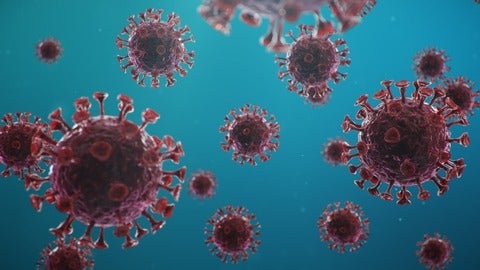
Researchers at the University of Waterloo created the first computational model that simulates many variables affecting the transmission of COVID-19 to slow the spread of variants.

The model takes raw data already in use to forecast case numbers and hospitalizations, and then adds other factors, such as vaccination rates, the use of masks and lockdowns, and the number of breakthrough infections.

Thursday, February 3, 2022

Exercise can provide relief for dry, itchy eyes

by Media Relations

A team led by researchers from the University of Waterloo discovered that a significant increase in tear secretion and tear film stability after participating in aerobic exercise can be another remedy for relieving dry, itchy eyes.

Every time we blink, our eyes are covered in tear film—an essential protective coating necessary for maintaining healthy ocular function. Healthy tear film comprises three layers–oil, water, and mucin–that work together to hydrate the ocular surface and protect against infection-causing irritants like dust or dirt.

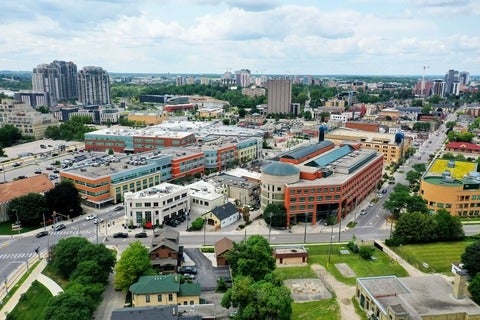
City living has been radically changed by the spread of COVID-19. But planners of downtowns in mid-sized areas are more interested in returning those spaces to the way things were.

In a study led by researchers at the University of Waterloo, urban planners were asked to identify the attributes that contributed to the success of downtowns prior to the pandemic as well as the attributes that would facilitate their post-pandemic recovery.

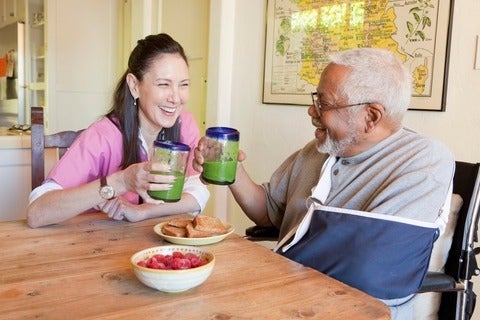
New technology could help reduce malnutrition and improve overall health in long-term care homes by automatically recording and tracking how much food residents consume.

The smart system, developed by researchers at the University of Waterloo, the Schlegel-UW Research Institute for Aging and the University Health Network, uses artificial intelligence software to analyze photos of plates of food after residents have eaten.

COVID-19 disruptions in homes with two or more children affect one sibling more than the other, according to a new study.

When caregivers are experiencing stress associated with the pandemic, many other areas of family life are disrupted—often with higher levels of mental-health struggle for children, including anger, anxiety, and depression.

Researchers found that one sibling tends to present greater mental-health problems. That, in turn, elicits more negative parenting.

Thursday, January 27, 2022

A synagogue unfolds for all faiths 

by Carol Truemner, Faculty of Engineering

A suggestion by a Waterloo School of Architecture professor to build a synagogue at the site of the largest single massacre of Jews during the Holocaust has developed into a unique place visited by people of all faiths.

Seven months after Robert Jan van Pelt came up with what he describes as a “throw-away idea,” an outdoor synagogue opened in Babyn Yar, a ravine in the Ukrainian capital city of Kyiv where more than 33,000 Jewish men, women and children were murdered on a single day in 1941.

Wednesday, January 26, 2022

The future of talent and innovation

by Claire Mastrangelo, Office of Advancement

Diversity in STEM is expanding with help from one of Canada’s largest financial institutions.

With a contribution of $1.04 million to the University of Waterloo, Scotiabank is providing support for talented researchers and students, including scholarships for students who are underrepresented in STEM fields. The investment is part of ScotiaRISE, the bank’s 10-year, $500 million initiative to promote economic resilience among disadvantaged groups.

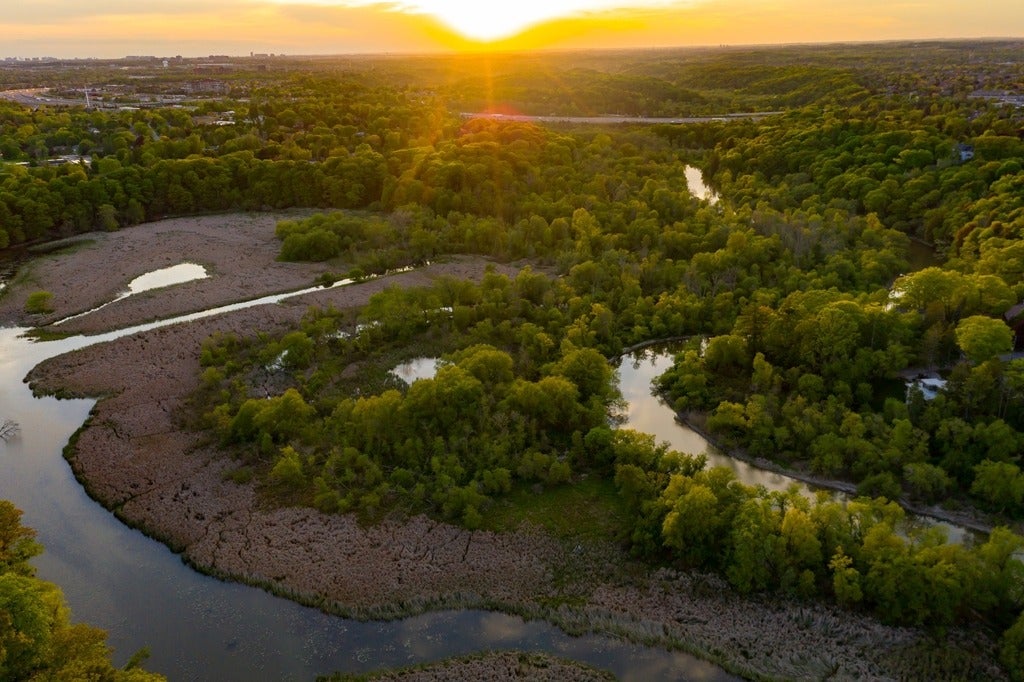
Southern Ontario wetlands provide $4.2 billion worth of sediment filtration and phosphorus removal services each year, keeping our drinking water sources clean and helping to mitigate harmful and nuisance algal blooms in our lakes and rivers.

A new study from the University of Waterloo uses economic valuation to help us understand the importance of Southern Ontario’s wetlands for water filtration – particularly as these sensitive ecosystems continue to be lost by conversion to agriculture or urban development.