Research

Wednesday, January 12, 2022

CBD might help prime cells against COVID

by Media Relations

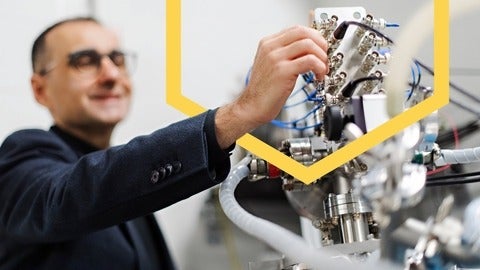
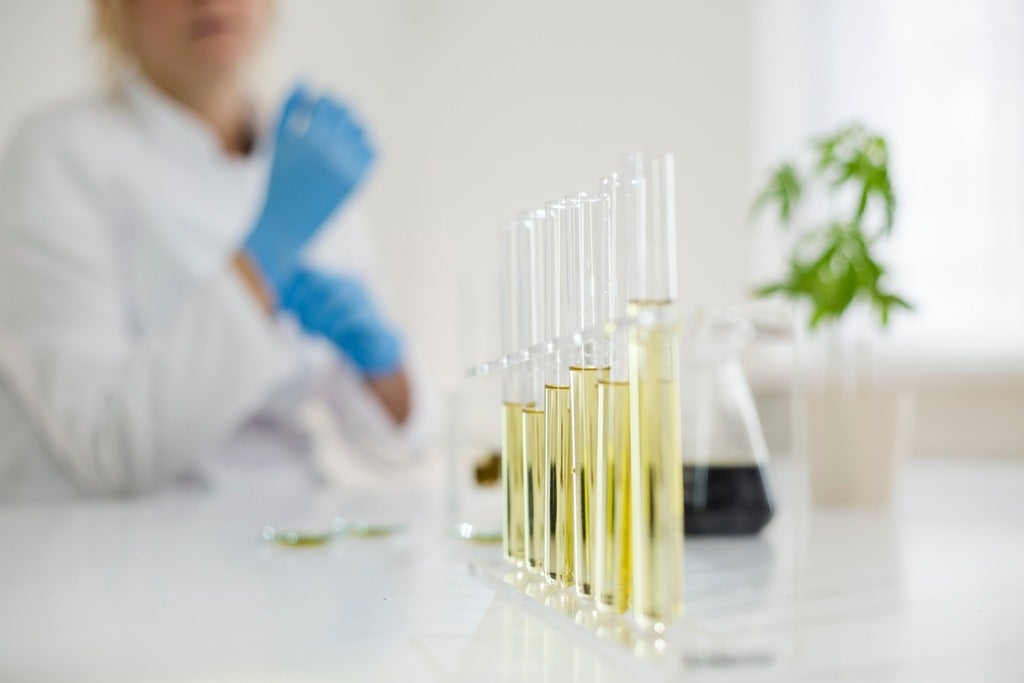
Synthetic cannabidiol, a non-psychoactive compound also found in the cannabis plant, appears to prime the innate immune system of cells, potentially offering protection against pathogens such as SARS-CoV-2.

Researchers found that synthetic cannabidiol (CBD) augments the anti-viral response of cells to three key proteins produced by the SARS-CoV-2 genome – which was, until now, an unknown effect.

The researchers studied these proteins in human kidney cells, both alone and in combination with CBD, as well as the effects of CBD in healthy control cells.

Monday, January 10, 2022

Q and A with the experts: Vivek Goel on the spread of Omicron

by Media Relations

Before becoming the President and Vice-Chancellor of the University of Waterloo last year, Vivek Goel supported Canada’s response to the pandemic as a member of the Federal COVID-19 Immunity Task Force. He also served as scientific advisor for the CanCOVID Network, which is a national network of researchers in the areas of health, science and policy created to promote collaboration on COVID-19 research. As we face Omicron, the latest variant of concern, Dr. Goel discusses the ways it has changed the pandemic, its impact on society, and what to do about it. 

Fish have a lot to stress about right now. This could mean serious problems for the future of aquaculture and the fish on your plate.

The new Waterloo Aquatic Threats in Environmental Research (WATER) facility at the University of Waterloo aims to simulate and research aquatic stressors and threats so that we are better prepared to prevent current and future problems.

Indigenous communities are at higher risk of hardship from climate-change-caused flooding because of pre-existing socioeconomic vulnerability, a new study shows.

The study’s findings also reveal that factors influencing socioeconomic vulnerability in Indigenous communities include the legacy of colonization, attributes of race and ethnicity, income, built environment, elderly populations, education, occupation, family structure, and access to resources.

Thursday, January 6, 2022

How science improved the health of millions worldwide

by Kathy Smidt , University Relations

The tobacco industry pulls in hundreds of billions of dollars in profits every quarter, at the cost of more than 8.3 million lives annually. The World Health Organization (WHO) estimates the economic cost of tobacco is US$1.4 trillion a year —1.8 per cent of global GDP. 

In response to these sobering statistics, the WHO Framework Convention on Tobacco Control (FCTC) was created to turn the tide against the number one preventable cause of death in the world: smoking.  

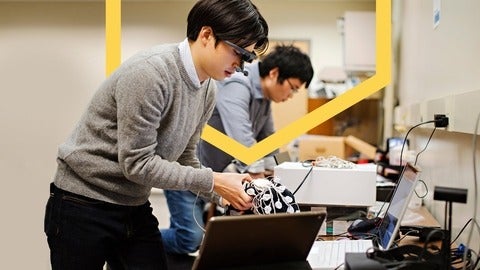
Researchers are developing a new technology that uses hand gestures to carry out commands on computers.

The prototype, called “Typealike,” works through a regular laptop webcam with a simple affixed mirror. The program recognizes the user’s hands beside or near the keyboard and prompts operations based on different hand positions.

Wednesday, December 22, 2021

Ten stories from 2021: A year in review, a glimpse of what’s ahead

by University Relations

The past year has presented many new challenges at home and around the globe — prompting us all to be ever agile and resilient. As we close out 2021, we can all be proud of the many contributions made by our Waterloo community to combat the coronavirus and to sustain high levels of education and research excellence. This list of stories — inspired by our quest to develop talent for a complex future, advance research, and strengthen sustainable and diverse communities — is by no means exhaustive, but is a sampling of the tremendous impact of our students, faculty and staff.

Researchers have discovered that using a thin-film coating of copper or copper compounds on surfaces could enhance copper’s ability to inactivate or destroy the SARS-CoV-2 virus responsible for COVID-19.

In a study that began soon after the pandemic hit in March 2020, University of Waterloo engineering graduate students investigated how six different thin metal and oxide coatings interacted with HCov-229E, a coronavirus that is genetically like SARS-CoV-2 but safer to work with.