From Research to Publication, From Publication to Impact: Scientific Writing Workshop 2026
RFR partner organization, Swasaba Research Initiative (SRI) successfully organized the Scientific Writing Workshop 2026, a full-day professional development program designed to strengthen researchers' capacity in scientific writing, academic publishing, and science communication. Held on Tuesday, 14 July 2026, at the Grha Swasaba Research and Training Center (Grha Swasaba SRI), Yogyakarta, the workshop brought together academics, researchers, students, and professionals committed to enhancing the quality and impact of their scholarly work.
Carrying the theme "From Research to Publication, From Publication to Impact," the workshop highlighted that producing high-quality research is only the beginning. Equally important is transforming research findings into well-crafted publications that contribute meaningfully to scientific advancement, policy development, and society.

Throughout the day, participants engaged in five comprehensive sessions delivered by distinguished experts from academia, publishing, and science communication:
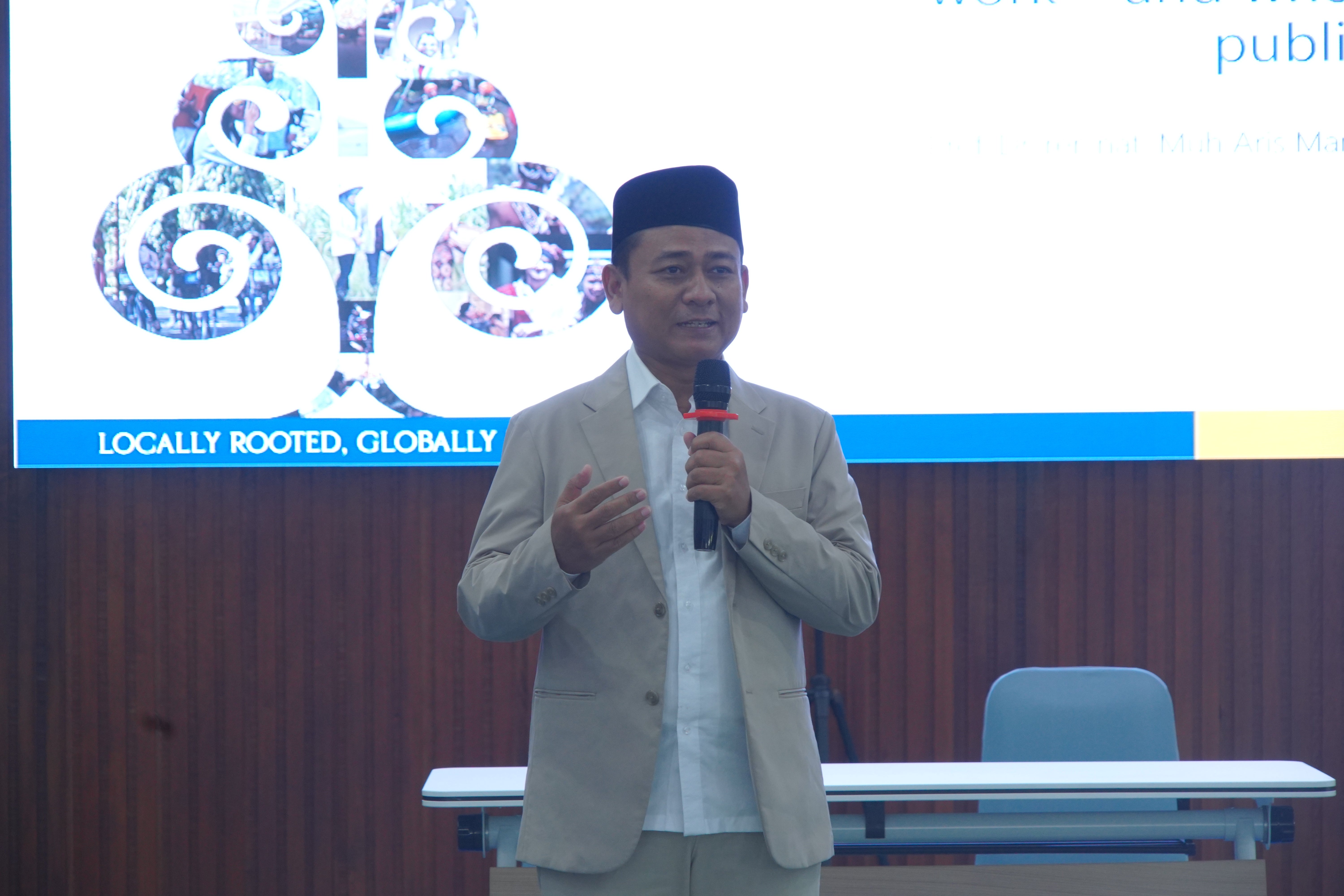
The workshop commenced with Prof. Dr. rer. nat. Muh Aris Marfai, S.Si., M.Sc., the lead co-investigator for RFR research in Indonesia. Professor Marfai, one of the world's Top 2% Scientists (Stanford–Elsevier, 2021–2025), discussed the key elements of a high-quality research article and the essential considerations for preparing manuscripts for publication. His session provided practical guidance on structuring scientific papers, meeting journal expectations, and improving manuscript quality to increase publication success.
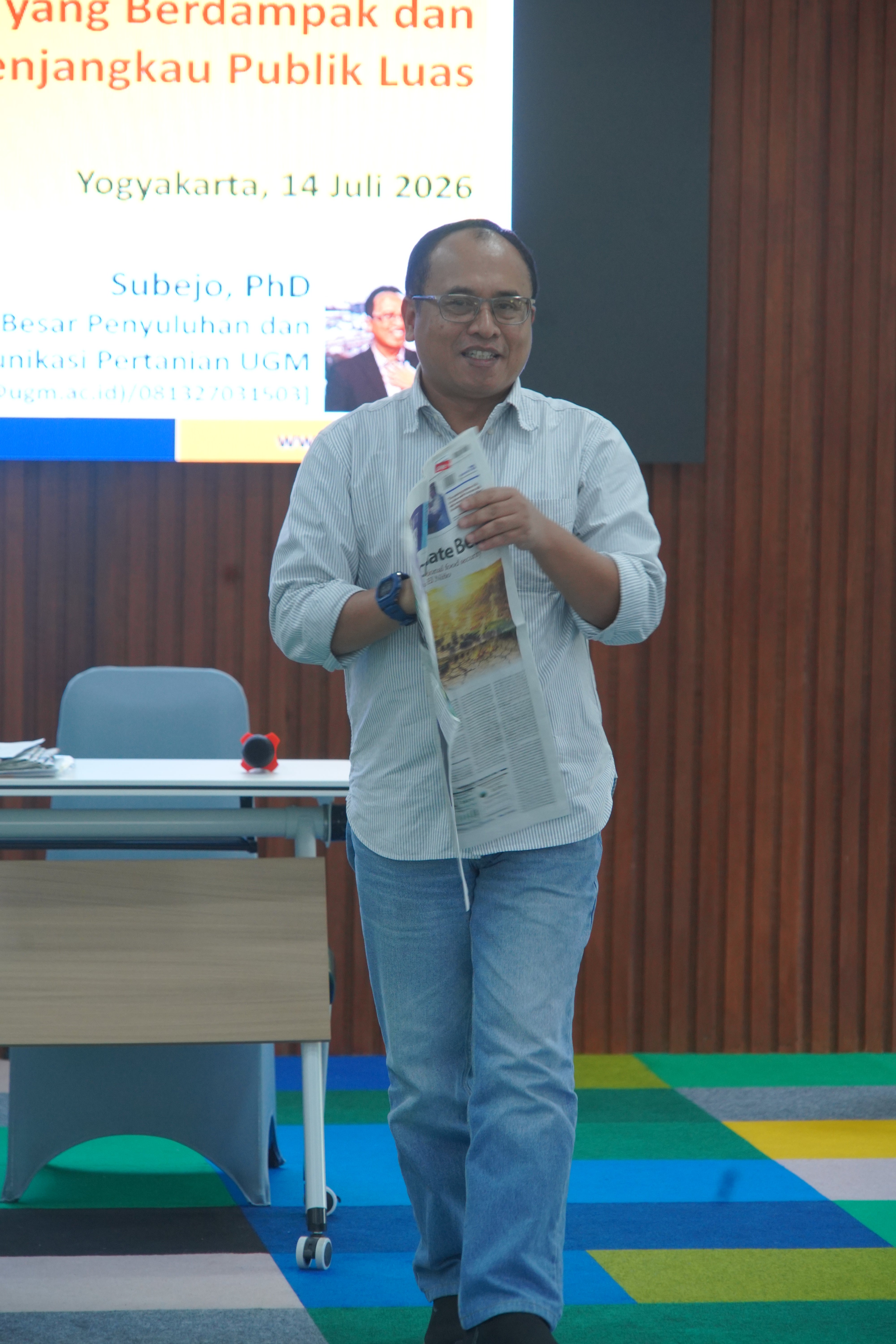
The second session was presented by Prof. Subejo, S.P., M.Sc., Ph.D., who explored strategies for writing impactful scientific content and reaching wider audiences through news media. Participants learned how scientific findings can be translated into accessible narratives without compromising academic integrity, enabling research to reach policymakers, practitioners, and the general public.
Next, Dr. Purwani Istiana, S.IP., M.A. introduced participants to the effective use of Scopus and Scopus AI to support research and academic publication. The session demonstrated how researchers can utilize bibliometric databases and AI-powered tools to identify research trends, discover relevant literature, evaluate journals, and improve research productivity.
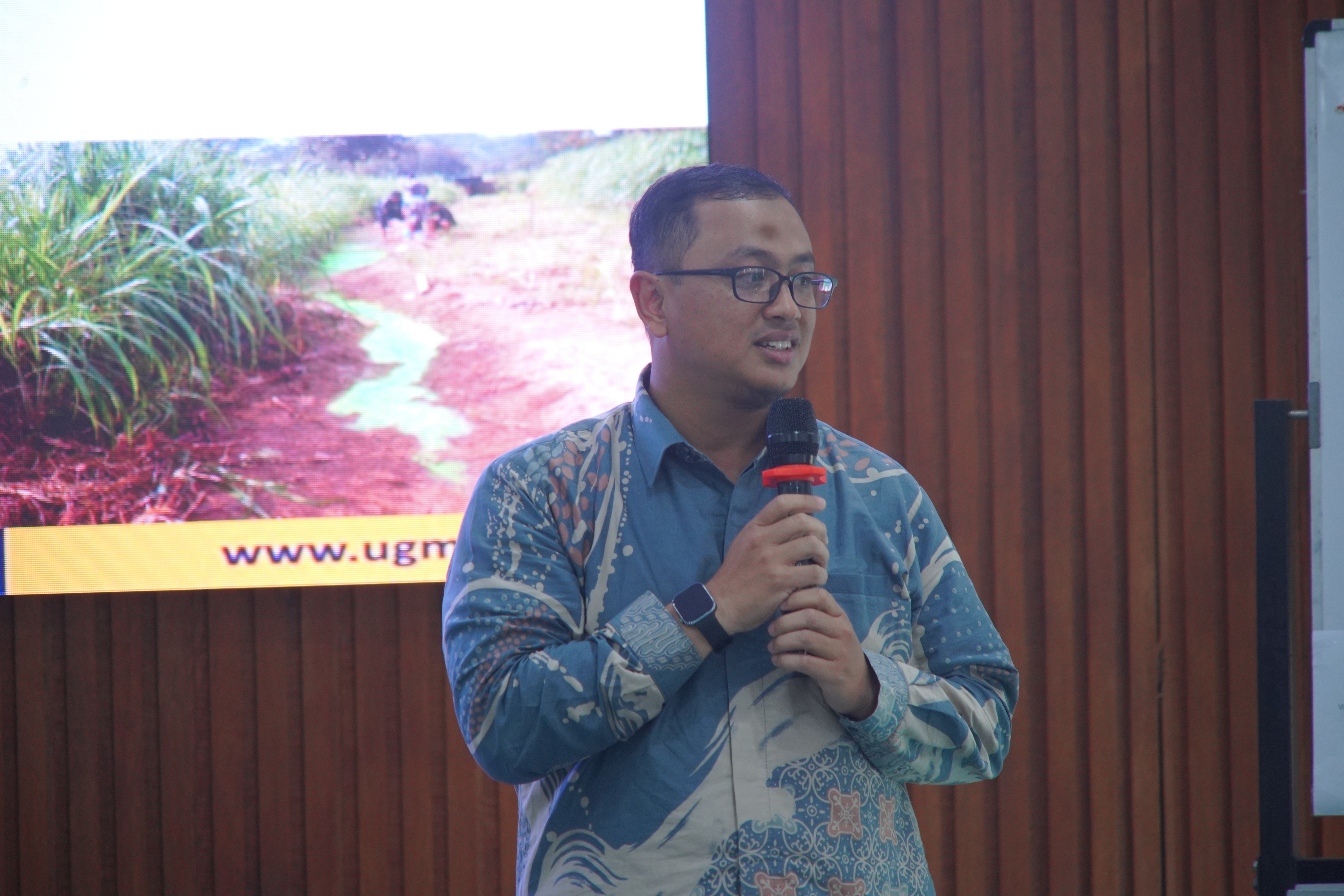
The fourth session featured Dr. Ahmad Cahyadi, S.Si., M.Sc., Chief Editor of Majalah Geografi Indonesia, who shared valuable insights into developing scientific manuscripts and navigating the journal publication process. Drawing from his editorial experience, he explained common reasons manuscripts are rejected, strategies for responding to reviewers, and practical tips for successfully publishing in reputable journals.
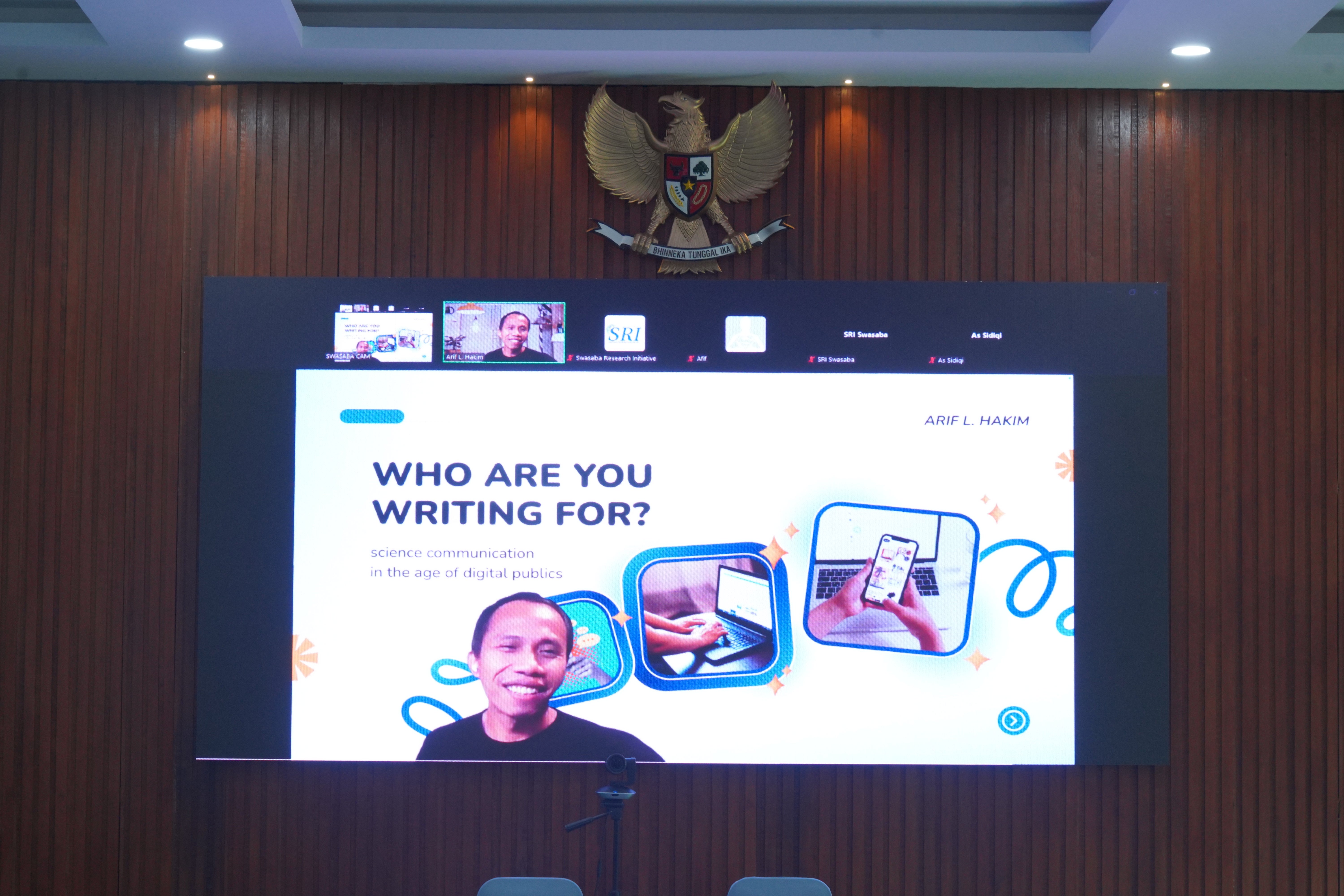
The workshop concluded with an inspiring presentation by Arif L. Hakim, S.E., M.A., Ph.D. Researcher in Digital Media and Society at The University of Sheffield, United Kingdom. His session focused on science communication, understanding audiences, and using social media to develop writing skills and engage wider audiences. Participants were encouraged to view communication as an integral part of the research process, ensuring scientific knowledge reaches audiences beyond academia.
Fostering social impact through effective science-policy communication
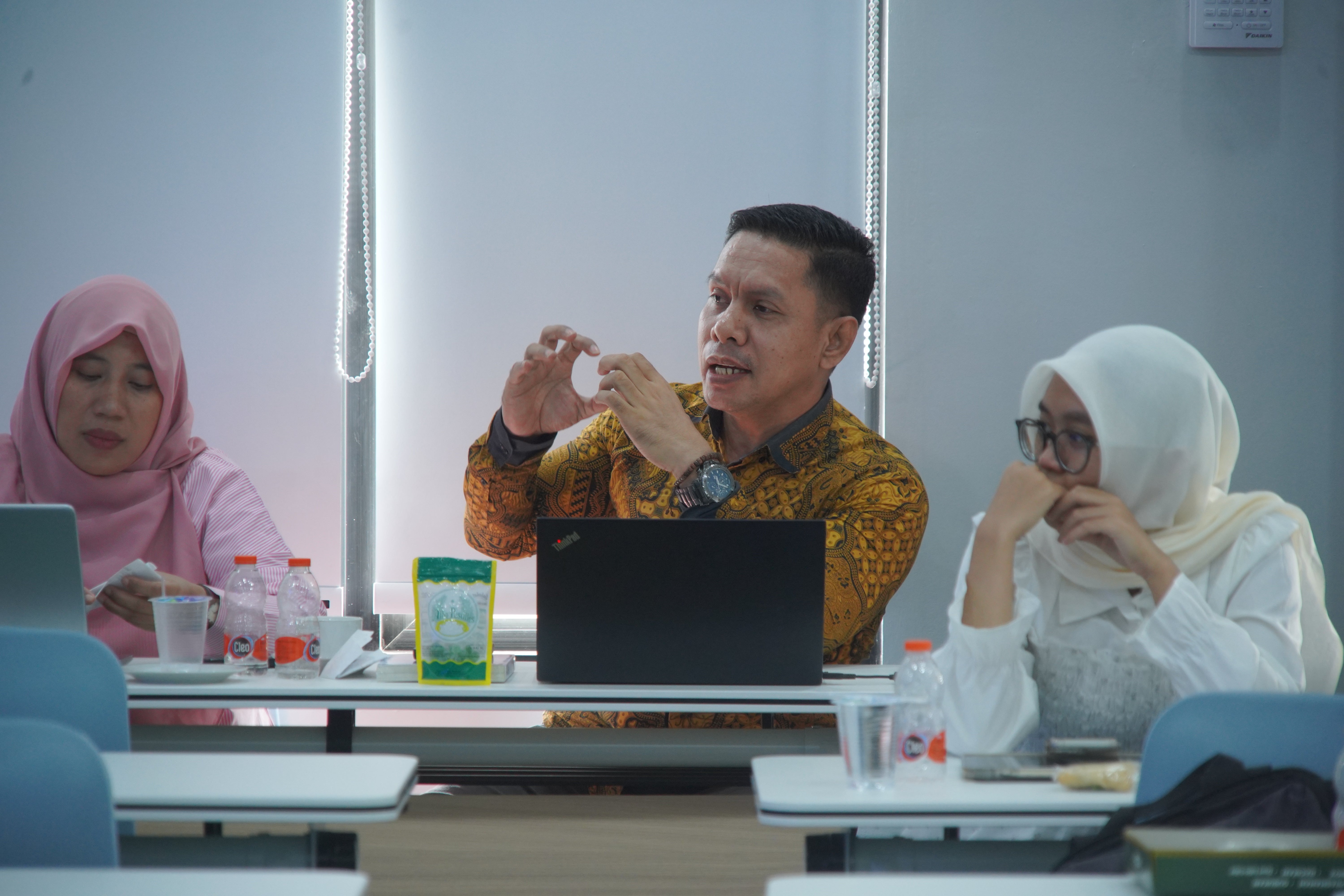
Beyond technical writing skills, the workshop emphasized the broader role of researchers as communicators and knowledge producers whose work has the potential to influence public discourse, policy, and societal development. Interactive discussions, question-and-answer sessions, and networking opportunities allowed participants to exchange experiences and build future academic collaborations.
Each participant received an e-certificate, presentation materials from all speakers, refreshments, lunch, and opportunities to expand their professional networks within Indonesia's growing research community.
Through initiatives such as the Scientific Writing Workshop 2026, Swasaba Research Initiative (SRI) continues its commitment to strengthening Indonesia's research ecosystem by improving publication quality, promoting responsible science communication, and fostering greater societal impact through research.
Event photos
Click on a photo to expand and view the full size.

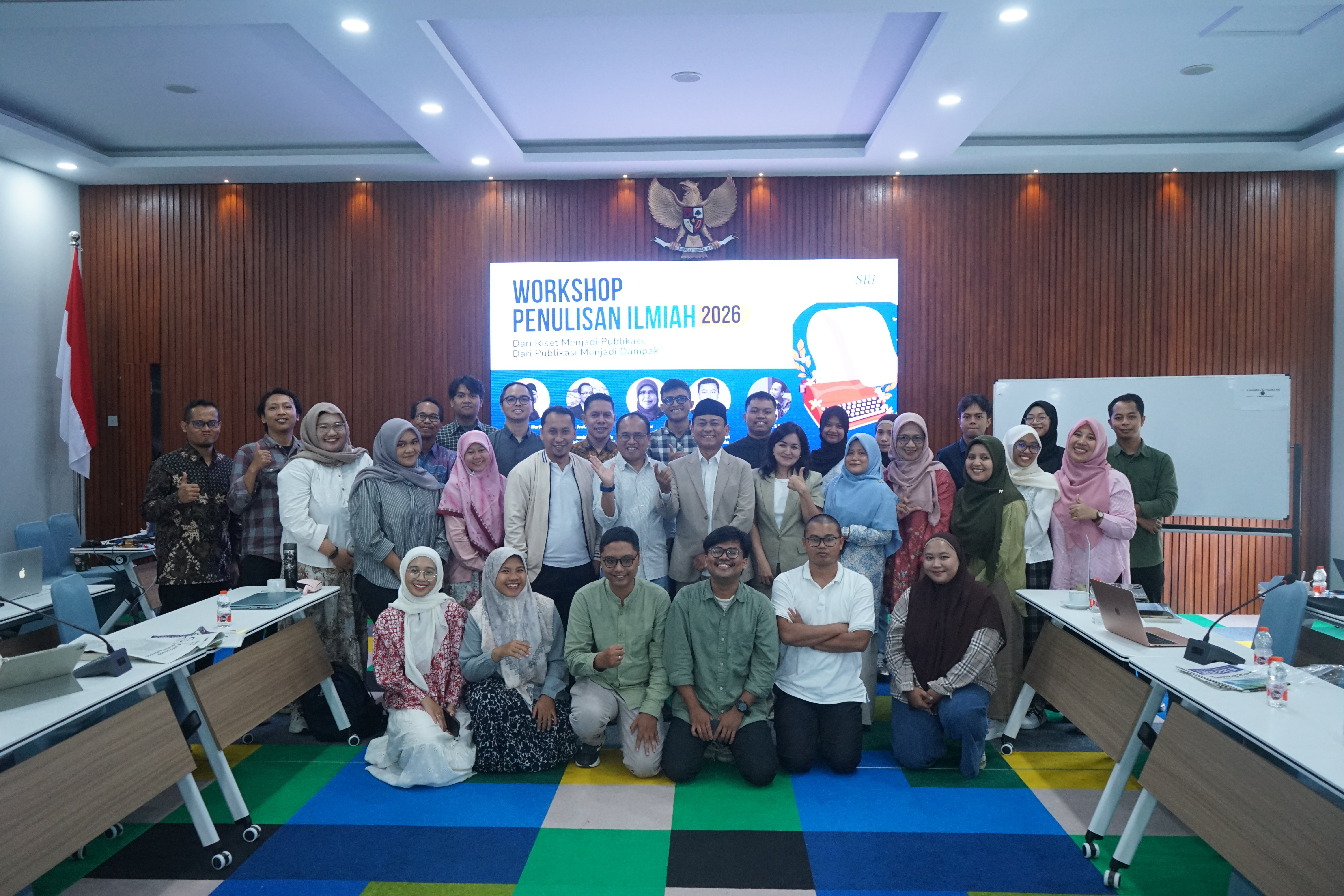
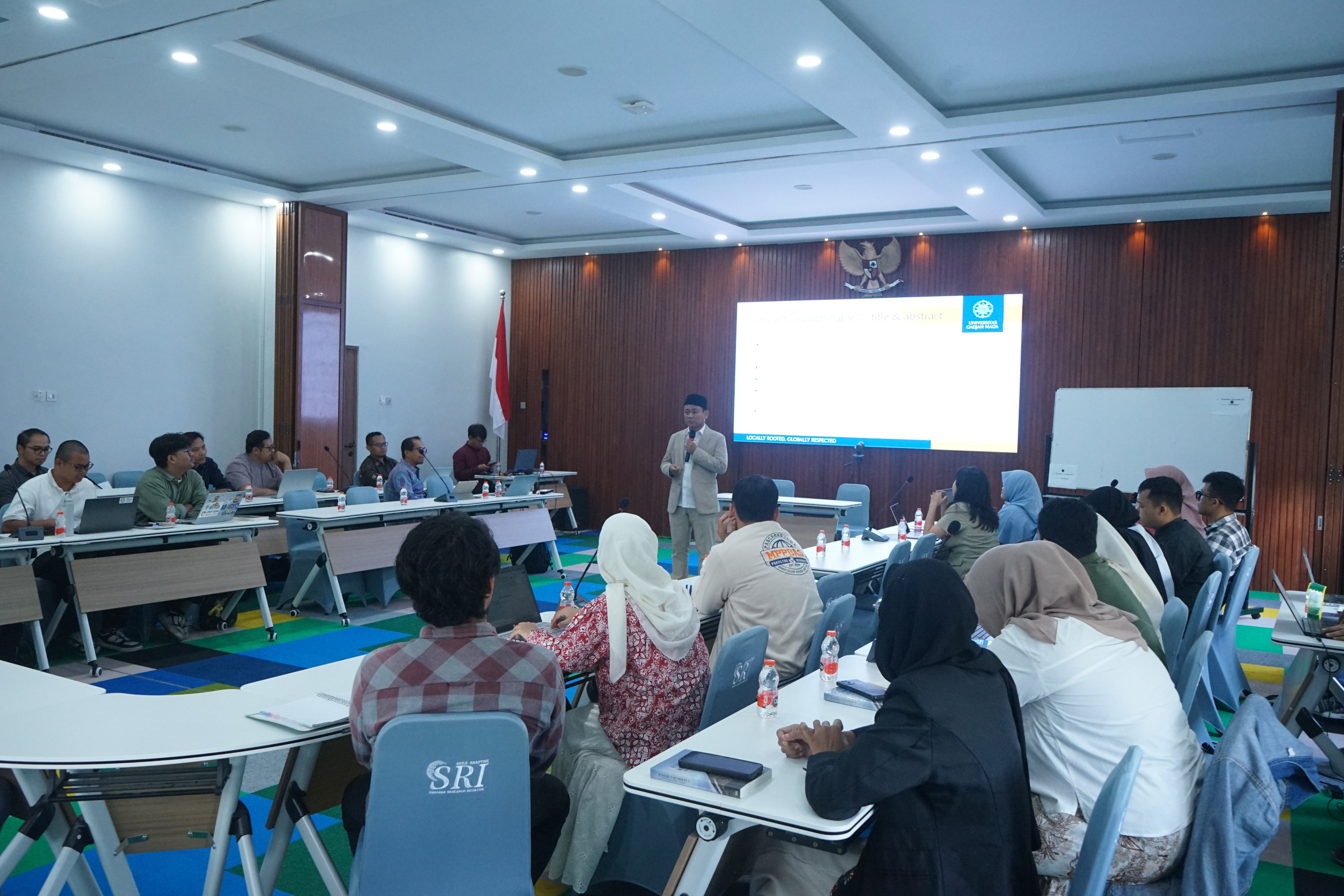
Participants and speakers gathered at the Scientific Writing Workshop 2026

Prof. Marfai presents insights on how to develop a high-quality publication

Prof. Subejo presents on making research accessible and impactful

Dr. Cahyadi provides insights on the publication process

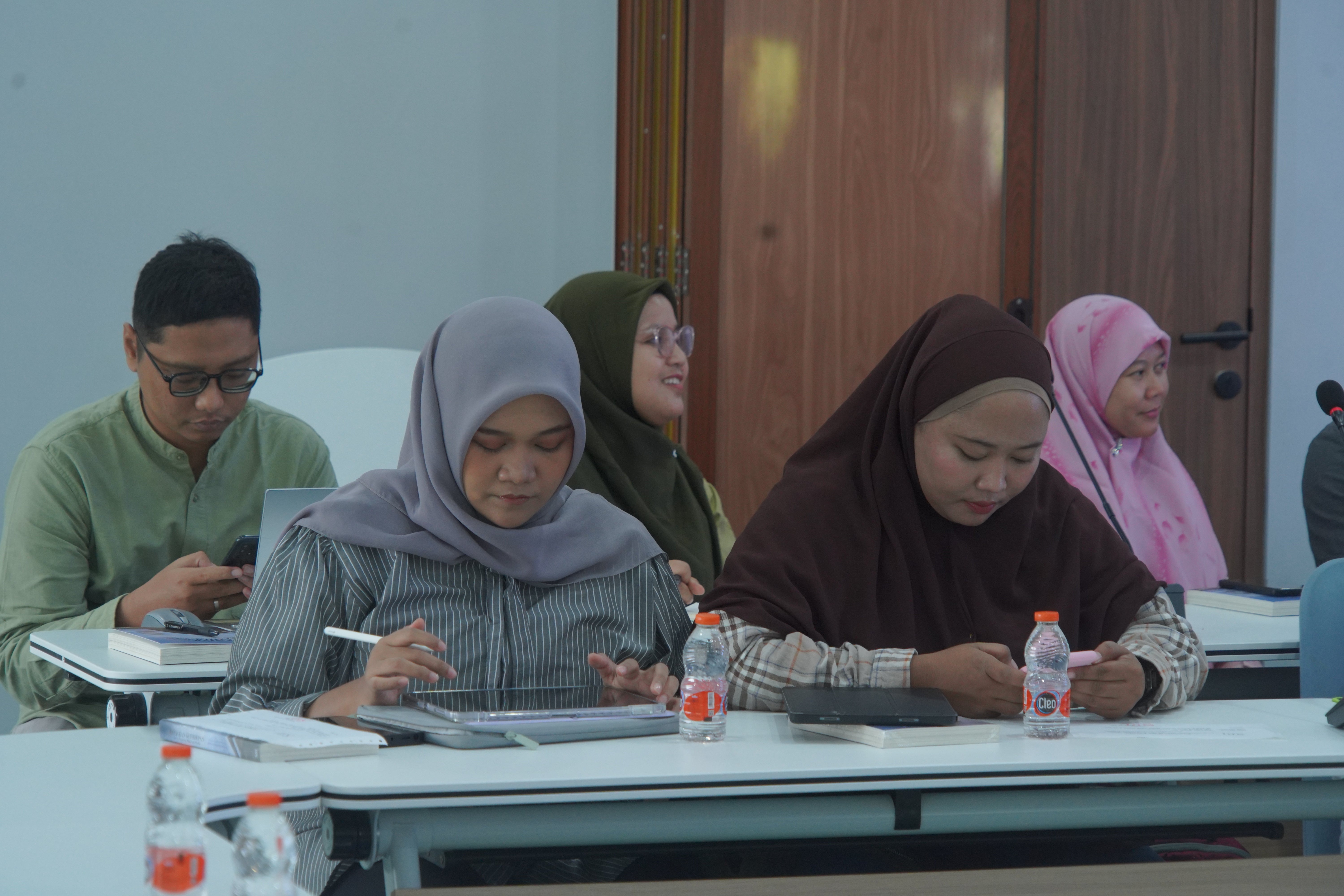
Workshop participants learn how to strengthen manuscript quality

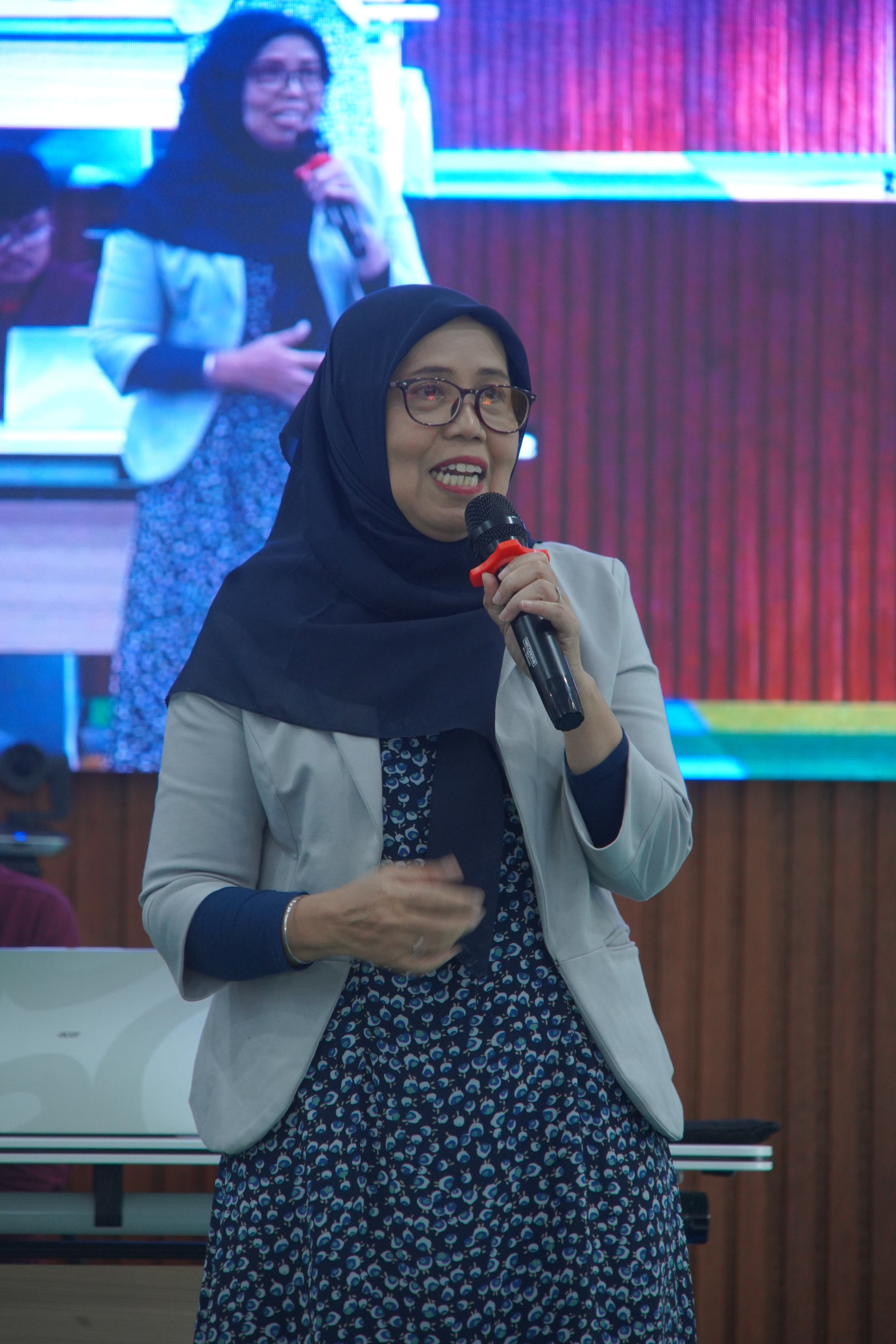
Dr. Istiana presents on the effective utilization of bibliometric databases and research tools

Arif L. Hakim presents virtually from the University of Sheffield in the United Kingdom

Students learned critical professional development skills related to science communications and academic publishing

Participants engaged with the topic through further discussion with presenters and peers