
The Visuomotor Development and Learning Lab focuses on advancing the understanding of the neural control mechanisms involved in the development, performance and learning of visuomotor skills.
Making a cup of coffee, playing games or flying a plane requires visuomotor coordination – an ability to integrate visual information with eye and hand movements.
Maturation and refinement of visuomotor coordination is the hallmark of normal development, and a key factor contributing to successful academic, social and occupational activities.
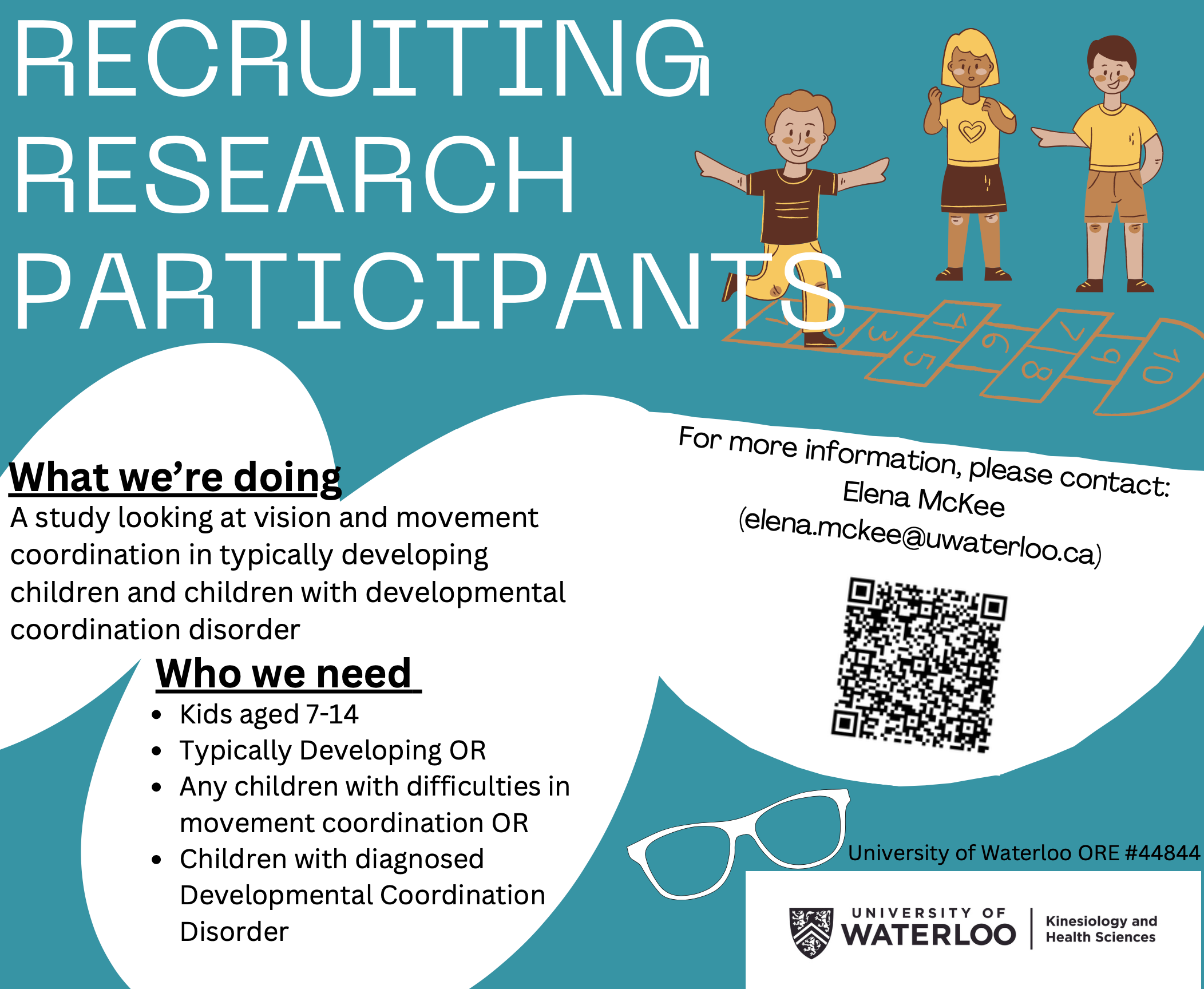
Our research
The lab's research investigates people with various neurological conditions to understand the underlying causes of poor visuomotor performance. On the other side of the spectrum, we study experts to glean insight into the mechanisms contributing to optimal visuomotor performance.
Our long-term goal is to delineate the role of vision and gaze behaviour in motor performance and learning, and to translate the research findings to develop novel assessment tools and occupational training programs.
Our research falls under three themes:
- Typical and atypical development of eye-hand coordination and fine motor skills
- Neuroplasticity of visuomotor control
- The relationship between gaze behaviour and expertise

Find out more about undergraduate and graduate research opportunities in the lab!
News
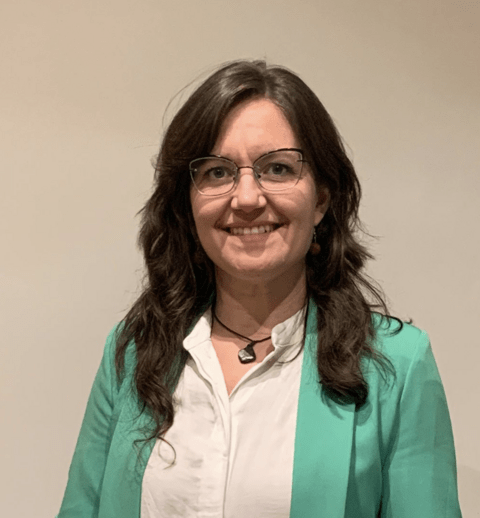
Congrats to Pilar!
Congratulations to Pilar for publishing her paper!

Congrats to Shirley Wang!
Congratulations to Shirley for successfully defending her MSc thesis!!

Congrats to Elena for presenting her research!
Elena McKee presented the results from her MSc research at the 19th Biennial Meeting of the Child Vision Research Society in Zagreb, Croatia.