Graduate Student Opportunities
Graduate and undergraduate opportunities are periodically available in the Hydrometeorology Research Group at the University of Waterloo.
Positions may include M.Sc., PhD, postdoctoral, and undergraduate research assistant opportunities in hydrology, ecohydrology, land–atmosphere exchange, and watershed science.
Please select a specific opportunity from the menu to view details, or contact Dr. Richard Petrone for more information.
Ecohydrological Interactions of a Constructed Upland and Lake System in the Athabasca Oil Sands Region
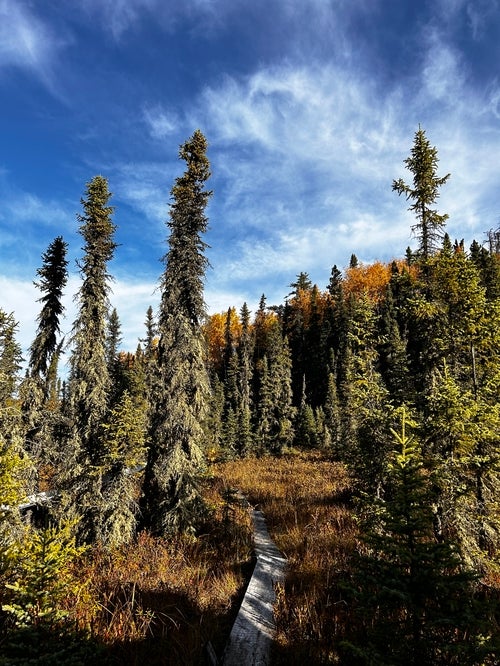
Forested uplands are a crucial component of the Athabasca Oil Sands Region landscape, as they serve as conveyors of multiple hydrogeological functions that sustain the ecosystem services of adjacent ecosystems and landcover units. Wetlands and open-water ponds interact with the uplands by re-distributing moisture during wet and dry conditions, thus ensuring resilience to moisture stress during normal periodic drought. Differences in topographic positioning and soil substrate generally form a gradient favouring the accumulation of moisture and solutes towards the lower portions of the forested upland, influencing biogeochemical cycling and vegetation establishment in the adjacent low-lying wetlands and surface water bodies. In reclaimed landscapes, such as the Lake Miwasin watershed understanding how establishing vegetation in the uplands using water is essential to being able to predict the stability of the constructed lake. An MSc student is being recruited to quantify the water requirement to fill deep unsaturated zone storage and meet upland vegetation evapotranspiration (ET) demands in this sub-humid environment. This work will utilize state of the art hydrometeorological measurements as well as novel approaches to measuring tree and shrub water use. This MSc position at the University of Waterloo is fully funded.
Characterize the impacts of fertilizer placement depth on crop Water and Carbon Use Efficiency across different agricultural regions
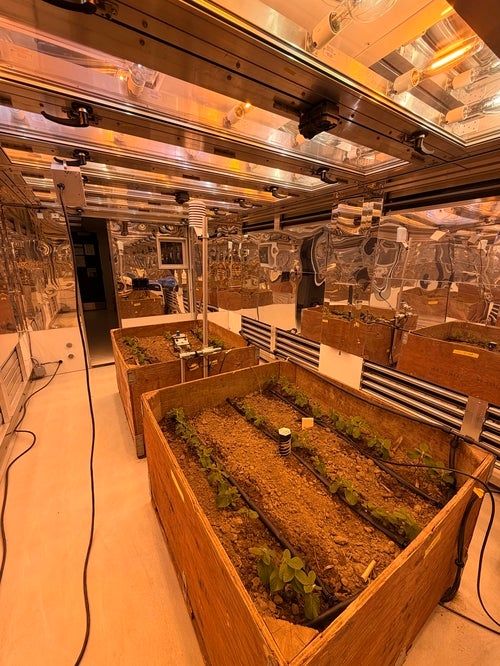
In drier soils, vertical root growth will impact the ability of crops to use nutrients placed at shallower depths and plants will instead rely on soil fertility (STP). Applying nutrients at greater depths will offset this effect, increasing both water and nutrient use efficiency. An MSc student is being recruited to study water use efficiency (WUE) and carbon use efficiency (CUE) at the leaf and plant scale at agricultural field sites in the Great Lakes Region in microcatchments with surface or subsurface Phosphorus placement. The impacts of placement depth on plant WUE and CUE will be examined experimentally using the state-of-the-art WETSys facility (growth chamber) in Waterloo. This MSc position at the University of Waterloo is fully funded.
Testing Soil Test Phosphorus (STP), fertilizer Phosphorus, and crop residues under variable antecedent conditions
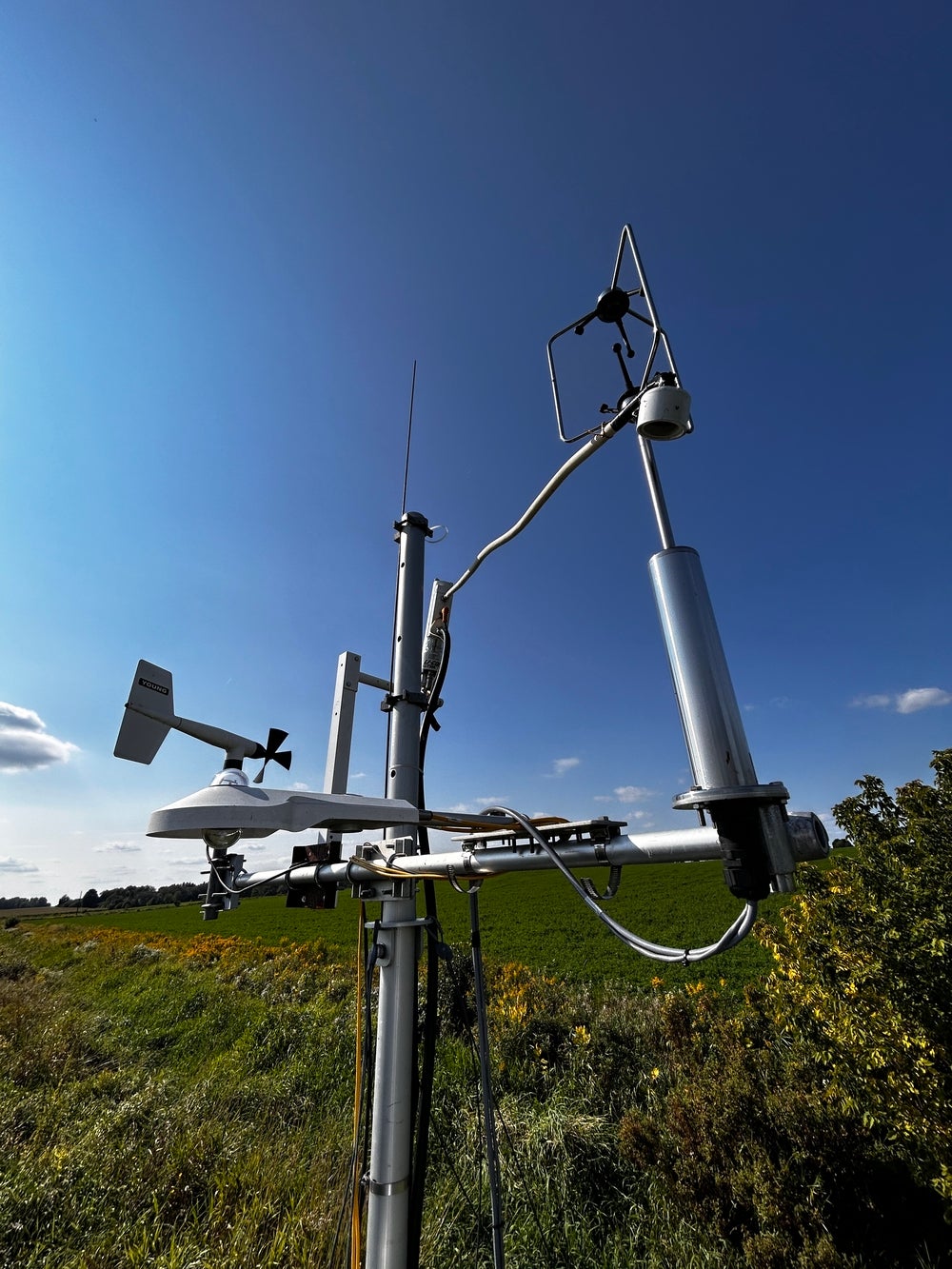
Agricultural practices strive to reduce STP while maintaining yield. Although reducing high STP can decrease Phosphorus loss without affecting yields, it is less likely to be the case at low STP. Careful management of the rate and timing of applied P, as well as P addition from residues as a secondary source, may make lower STP thresholds possible. MSc and PhD students are being recruited to examine how Water Use Efficiency, carbon allocation and drought tolerance are affected by residue management and P application rates and timing. Fields in Southern Ontario will be instrumented to monitor hydrometeorological conditions, carbon uptake (productivity) and water use at the field scale using eddy covariance. The effects of residue management will be examined through the quantification of canopy development, root activity and growth, and plant scale measurements of water use and productivity using leaf chamber gas exchange measurements (Plot/Leaf scale, LiCor 6800 Portable Photosynthesis System, Licor Inc., NE, USA) throughout the growing season at regular intervals. These positions at the University of Waterloo are fully funded.
Ecohydrology of Alpine Wetlands and Forests
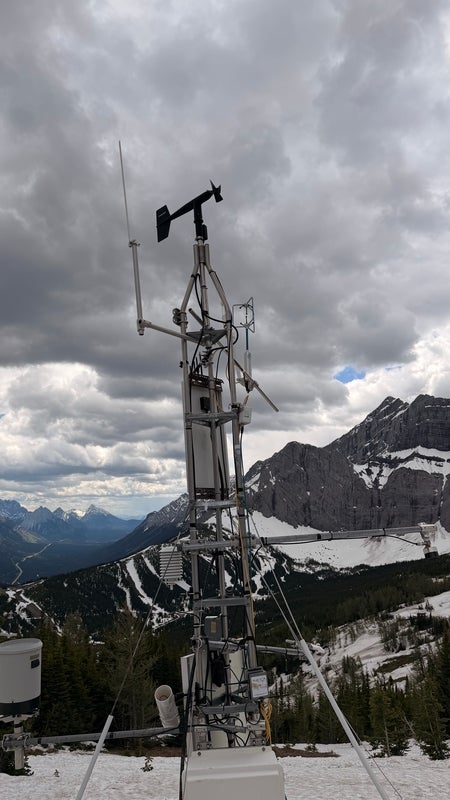
Western Canada relies heavily on water yield from the Rocky Mountains. However, the sustainability of this yield in light of climate change and extreme weather events (droughts and floods) is largely controlled by alpine wetlands. As such a better physical understanding of the whole suite of mountain wetland and forest hydrological processes that control snowmelt, water storage, evapotranspiration and runoff generation is required. MSc and PhD students are being recruited to improve our understanding of wetland hydrological processes governing mountain water supply via examining: (1) controls on wetland evapotranspiration and moisture storage including internal and external controls and feedbacks, (2) forest hydrology snow and shoulder season and summer processes governing moisture storage and evapotranspiration, and (3) hydrological interactions between forests and wetlands. Research will be conducted at field sites in the Kananaskis Valley, Alberta and will involve field work and modelling. These positions at the University of Waterloo are fully funded.