Microplastics Analysis Laboratory - Available now!
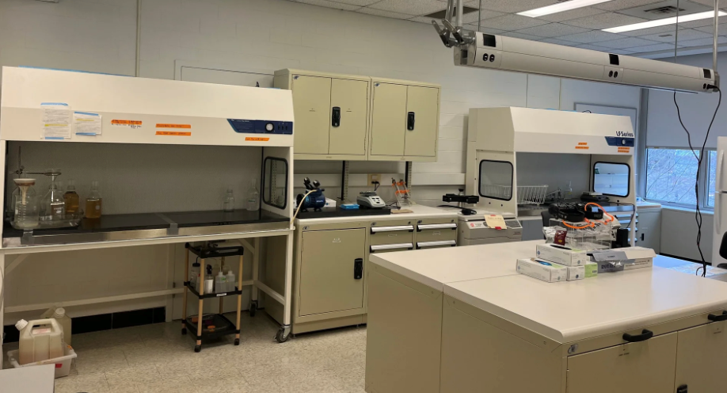
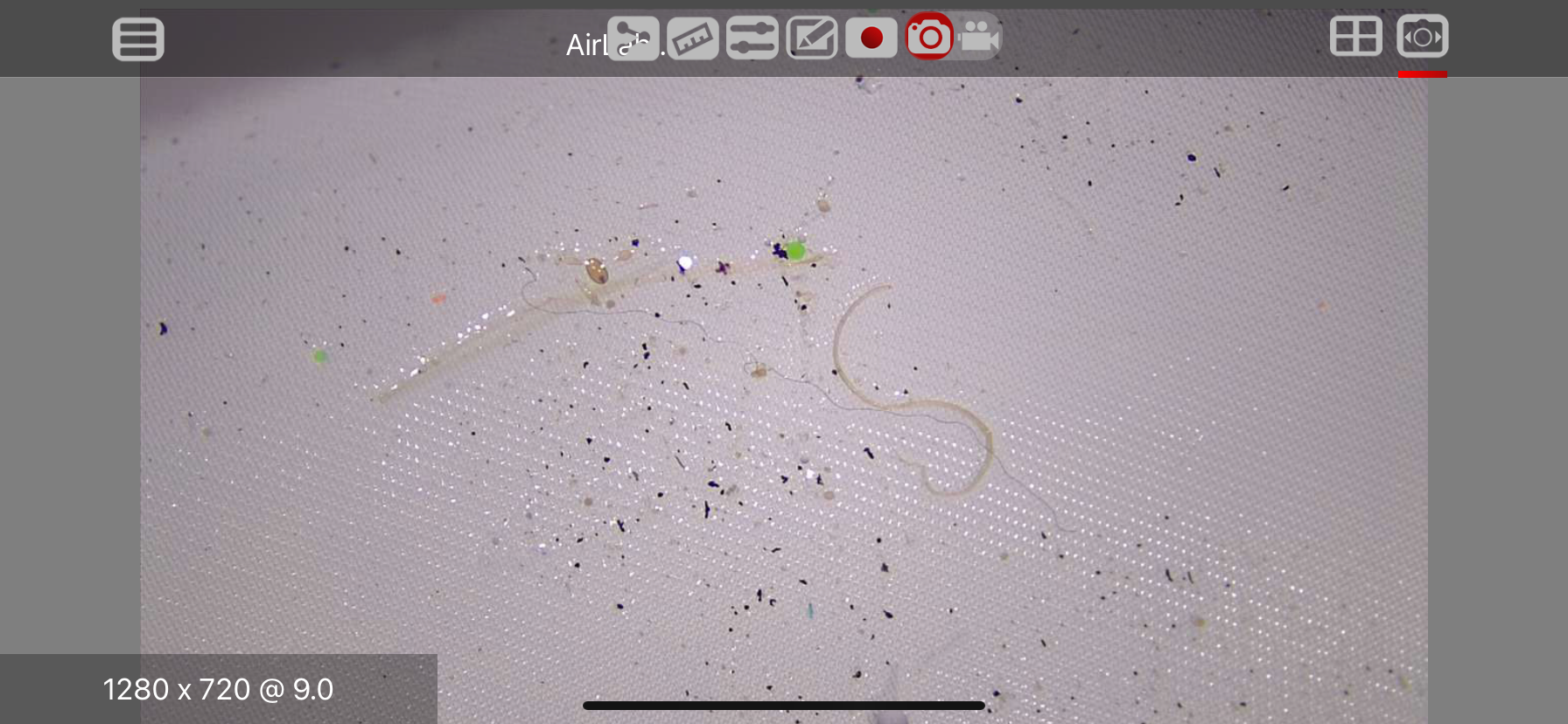
The Microplastics (MP) Analysis Laboratory is dedicated to the extraction, identification, and characterization of microplastic particles in environmental samples. The lab supports research and monitoring efforts by analyzing microplastics in water, sediment, soil, and atmospheric deposition samples collected from a range of environmental matrices, including urban stormwater ponds, rivers, and lakes.
Our microplastic extraction involves a combination of standards spiking, sieving, density separation using zinc chloride (ZnCl₂), and Fenton oxidation to remove organic matter while preserving plastic particles. These protocols are designed and standardized to achieve the highest possible recovery rates and ensure data quality.
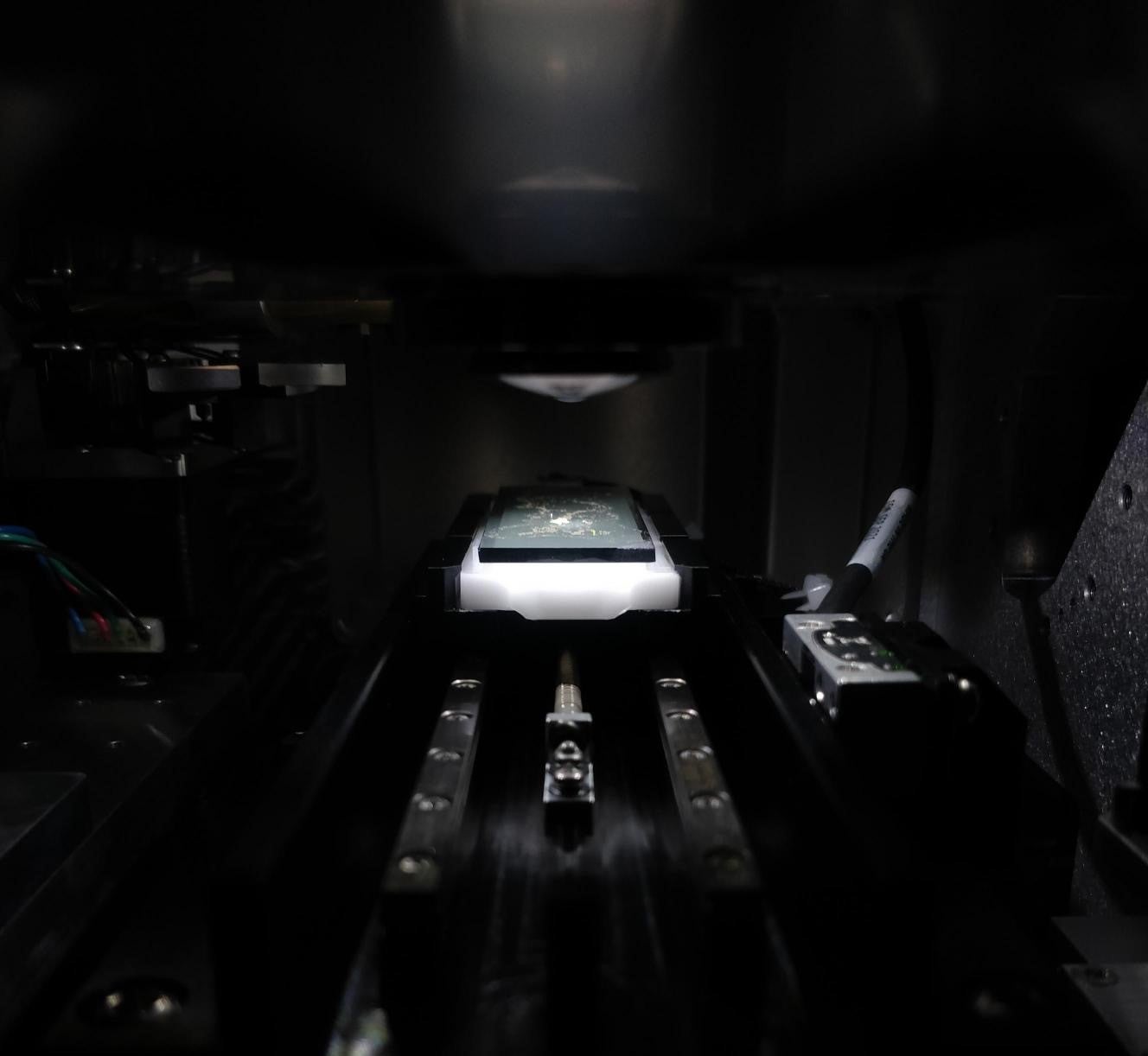
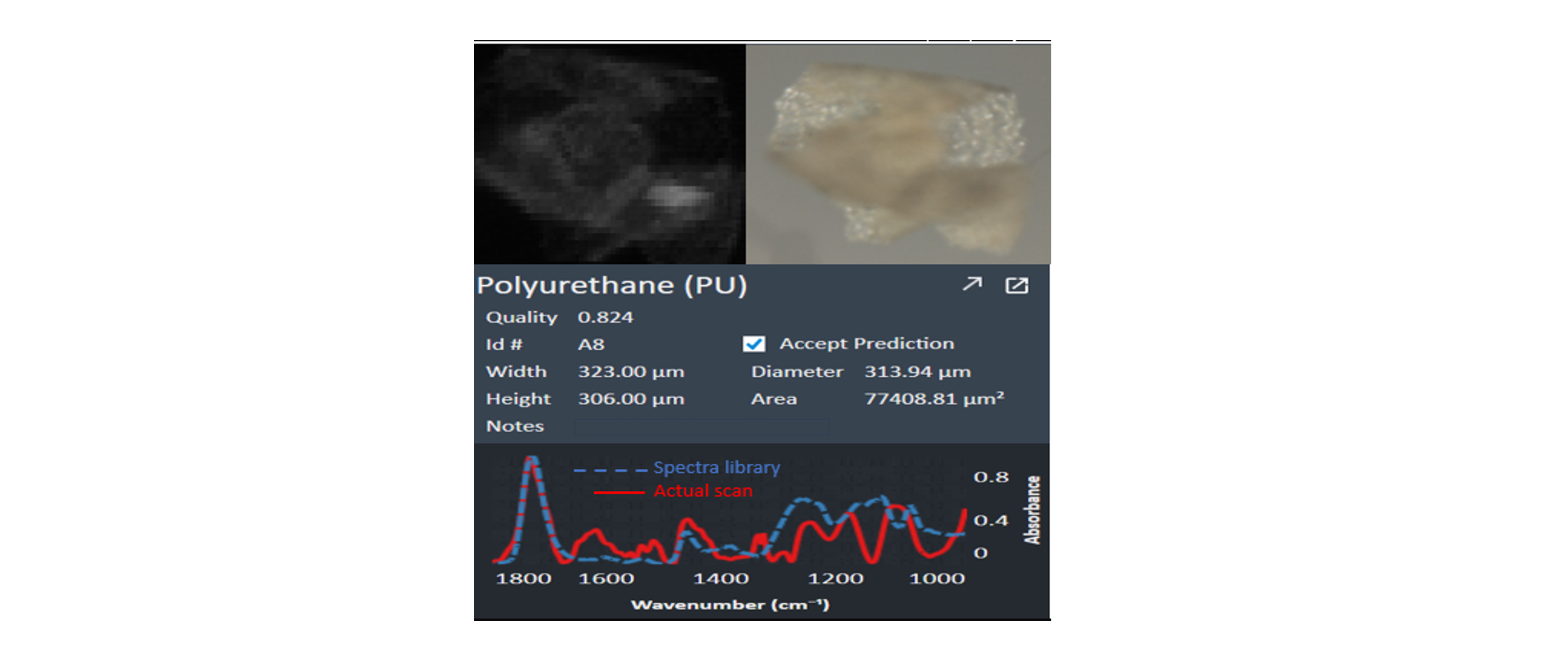
Following extraction, samples are analyzed using Laser Direct Infrared Imaging (LDIR) spectroscopy - a state-of-the-art technique that enables automated polymer identification, particle counting, and measurement of particle size and shape. With a built-in spectral library that was later enhanced with our in-house materials in the LDIR, the MP Lab provides high-resolution information on microplastic abundance, dimensions, and polymer composition.
Custom data analysis tools further support efficient interpretation of results, are time-effective and user-friendly. Through this integrated approach, the MP Analysis Laboratory delivers robust, high-quality data that advance understanding of microplastic sources, distribution, and environmental impacts across aquatic and terrestrial systems.
To access these services, please contact the lab manager: shuhuan.li@uwaterloo.ca

Dr. Shuhuan Li
Multi-Scale Environmental Particle Analysis Laboratory Manager, University of Waterloo
Specializes in analytical instrumentation, with expertise in method development, validation, and preventative maintenance, as well as troubleshooting.



Partner Engagement and Capacity Building - Join our team!
Looking ahead, we are expanding our collaborations and knowledge-sharing efforts:
-
We are seeking additional municipal, governmental, and industry partners who want to pilot monitoring tools, co-develop regulations, or explore new remediation strategies.
-
We are scoping a training program for practitioners and municipal staff, focused on microplastics monitoring, data interpretation, and treatment optimization.
-
We aim to build a community of practice that bridges utilities, regulators, researchers, and technology developers.
These partnerships are essential for ensuring that new scientific tools translate into practical improvements in water quality protection. If you are interested in getting involved, please contact us at ecohydrology@uwaterloo.ca.


FUTURE RESEARCH AREAS
Advancing Measurement Standards and Analytical Tools
Reliable microplastics detection, polymer identification, and morphometry remains foundational. Across multiple projects, several next steps emerged:
-
Scaling up mass‑based and AI‑assisted measurement tools such as PlasticNet and microwave–microfluidic sensing to enable routine use by utilities, regulators, and monitoring agencies.
-
Standardizing sampling approaches and particle size categories to reduce inconsistencies across studies, especially for smaller particles and nanoplastics.
-
Developing interoperable datasets that allow watershed, stormwater, and drinking water agencies to compare results across regions and time.
Understanding Fate, Transport, and Environmental Hotspots
-
Watershed‑scale modelling is needed to connect transport pathways, sediment dynamics, land use, and climate variables.
-
Long-term sediment core records can be expanded to additional reservoirs and the Great Lakes to build a basin‑wide picture of historical trends in microplastic pollution.
-
Urban stormwater modelling and sediment surveys should be extended to examine how pond design, hydrology, and extreme weather influence retention and release.
Improving Degradation and Remediation Approaches
-
Further exploration of enzyme limitations and catalytic processes to determine which degradation pathways are realistically scalable.
-
Testing DNA aptamers and magnetic nanoparticles in more complex, real‑world conditions to assess durability, selectivity, and cost-effectiveness.
-
Integrating degradation tools with existing treatment infrastructure, bridging detection with active remediation at water and wastewater facilities.
Bridging Science and Policy
-
Developing practical guideline ranges for micro- and nanoplastics in drinking water, building on existing risk-assessment frameworks.
-
Supporting standardized monitoring requirements as they emerge in global and regional agreements.
-
Expanding life‑cycle and source‑reduction analyses, especially around production, additives, and product design.
Managing Risk
-
Developing risk‑based prioritization tools that consider particle size, polymer type, exposure pathways, and vulnerable populations.
-
Linking microplastics risks to watershed management actions, such as erosion control, stormwater upgrades, and land-use planning.
-
Evaluating co-benefits (e.g., sediment control, green infrastructure, treatment optimization) that mitigate microplastics alongside other pollutants.
Data Management
- Future investment to operationalize the metadata template in a machine-readable format, enabling integration with national data portal infrastructures and supporting compliance with the Government of Canada Tri-Agency Research Data Management Policy. This will enhance data reuse, interoperability, and long-term research impact.