Deep-sea impacts of climate interventions
Waterloo professor is part of an emerging field that calls for establishing a governance framework for ocean-based climate interventions.
In advance of Earth Day, the Sustainability Office and others from the community are
After a six-year process, the leading world body for the assessment of climate change, the UN’s Intergovernmental Panel on Climate Change (IPCC), has released their final Synthesis Report that summarizes what we know about climate change and how to reduce greenhouse gas emissions. The key takeaway – we must act now to secure a livable future for all.
There is still one billion people with unreliable energy supply in the world, but Bayo Akomolafe is well equipped to address this gap. With 10 years of experience working in the power generation industry and his lived experience growing up in energy poverty in Nigeria, Akomolafe’s pursuit of creating affordable, reliable, and sustainable modern energy systems for developing nations is well fuelled.
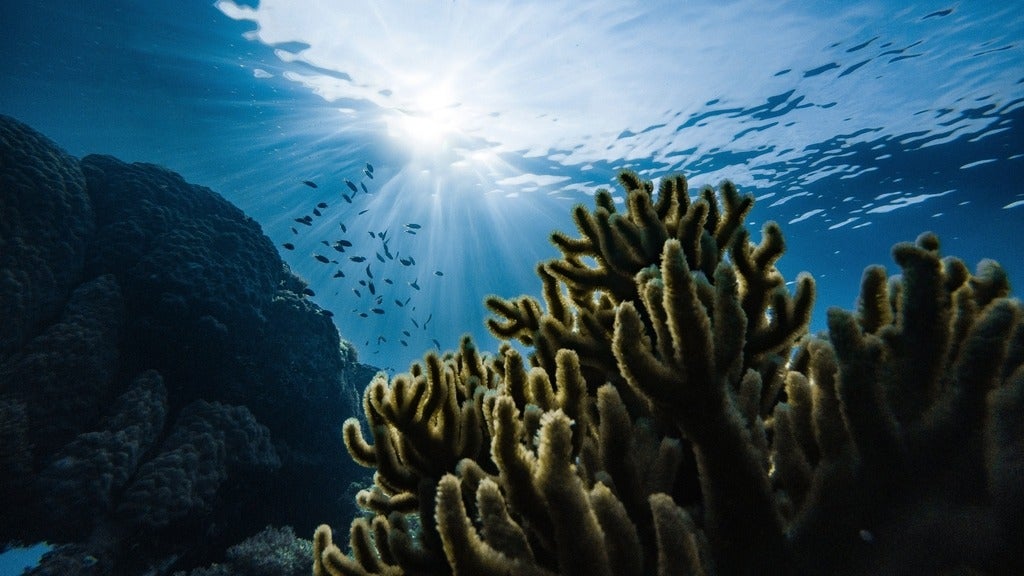
The Ocean* is the largest of Earth’s systems that stabilizes climate and supports life and human wellbeing. Despite its vital role in our ecosystem, the Ocean has been gravely degraded and historically underrepresented within international climate change agreements. However, the tide is changing.


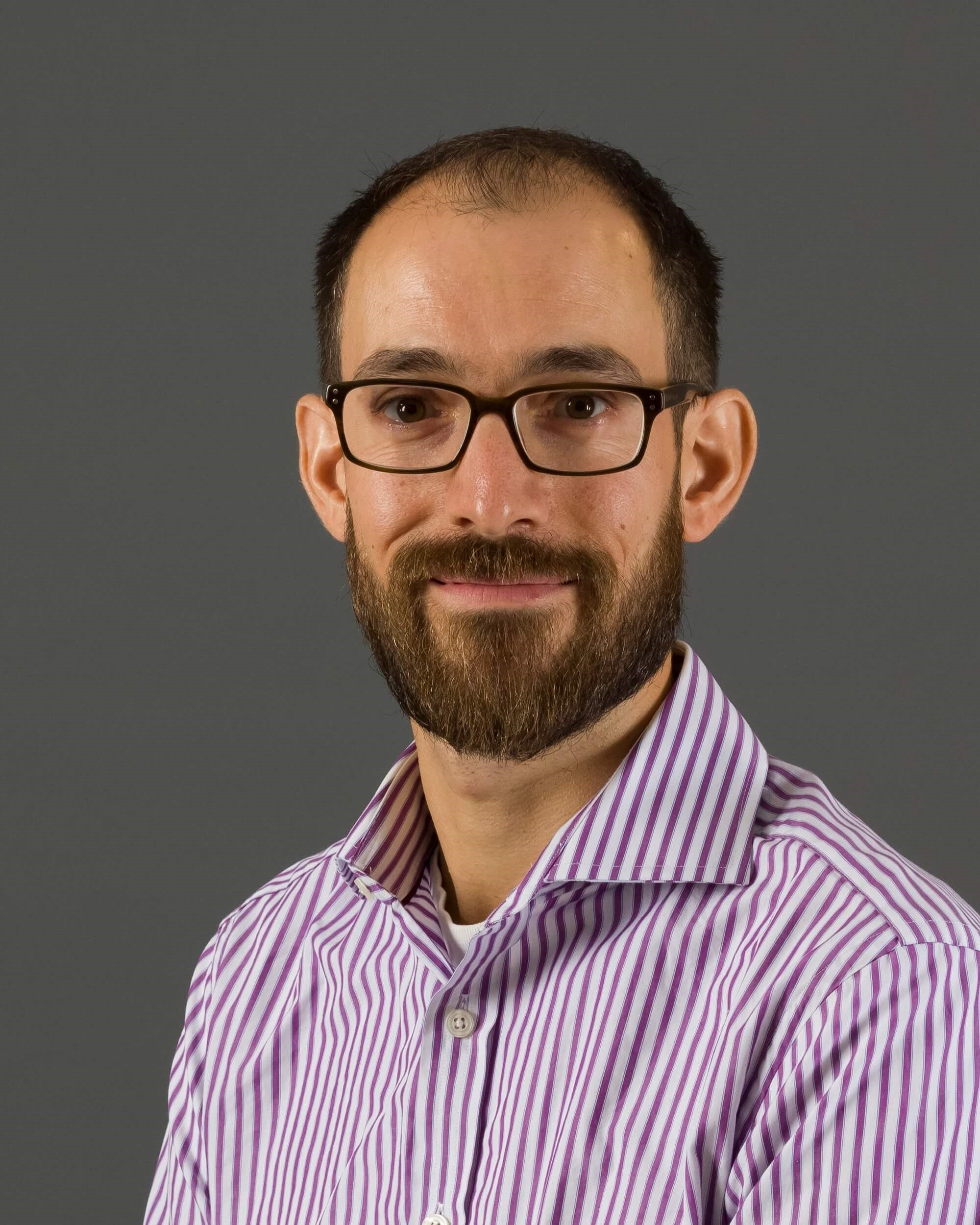
Dr. Daniel Scott
Professor, Faculty of Environment

Dr. Chris Fletcher
-Associate professor, Department of Geography and Environmental Management
-Member, Waterloo Climate Institute
-Member, Waterloo Water Institute
-Researcher with High-altitude Aerosols, Water Vapour and Clouds mission
Studying something you love makes it a joy to complete a degree program.
That’s how Alia Fatima describes her time working on a degree in Geography and Environmental Management in the Faculty of Environment at Waterloo.
“I’m passionate about making the world a better place, and I’ve come to see how environmental policy has a direct influence on communities,” she says. “In the end, it all comes down to people. I’m interested in human geographies and in the ways that environmental impacts affect people.”
Canadians think they know a lot about snow. It is practically a national pastime to discuss winter weather.
But a PhD student in the Department of Geography and Environmental Management at the University of Waterloo is taking the Canadian obsession with weather to a whole new level.
Fraser King is studying the ways machine learning can be applied to predicting patterns of precipitation, and especially annual snowfall and snowmelt in the context of climate change.
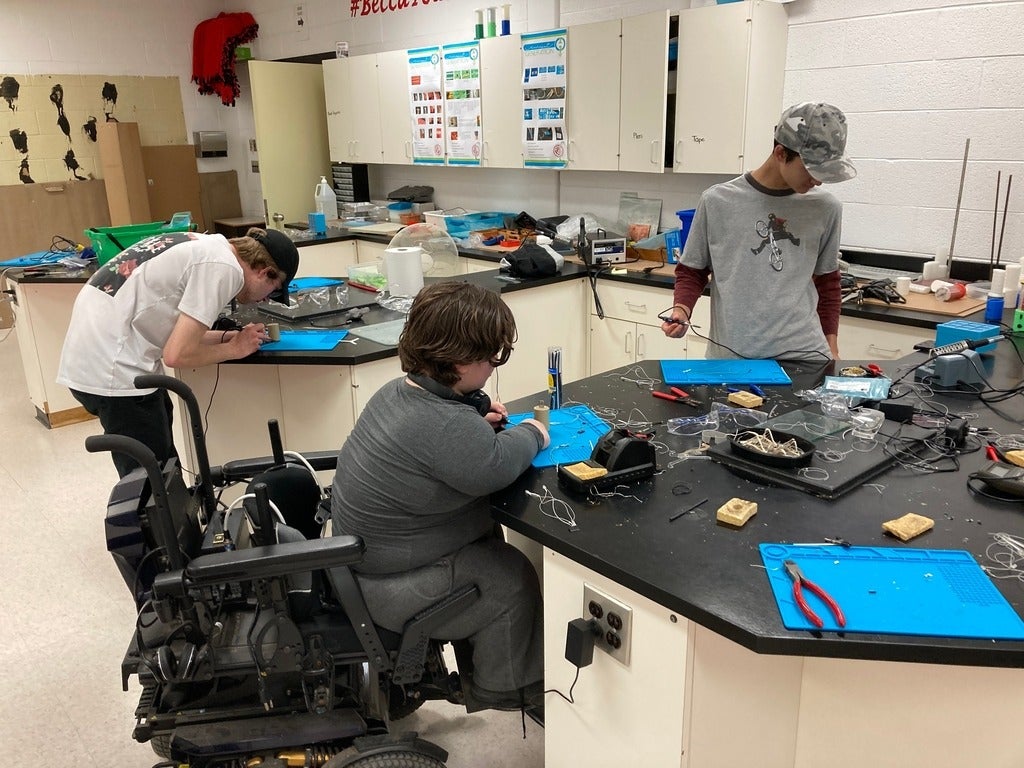
Humans throughout history have dreamed of reaching out and touching the stars. Thanks to a unique collaboration with the University of Waterloo, Students at Riverview Highschool in New Brunswick can do just that — with a little help from a ladder.