Understanding our impact on Canada’s ecosystems
From the Great Lakes to the Arctic, researchers are working to prevent and mitigate the effects of climate change
In spite of a drop in emissions over the last few months, the impact of climate change on Canadians and our iconic landscape and wildlife is increasingly concerning. Melting sea ice still endangers species like the polar bear, which depends on the ice for survival. Environmental disasters like the wildfires that decimated Fort McMurray, Alta. in 2016 will only become more likely over time.
However, the future of our Canadian environment doesn’t have to be filled with doom. In addition to the steps individual Canadians and industries are taking to reduce climate change, the research community at the University of Waterloo and other institutions across Canada are working to mitigate its impacts on our environment.
“In the end, everything they’ve accomplished is their own doing,” he says. “I just tried to steer them in the few decisions I could.”
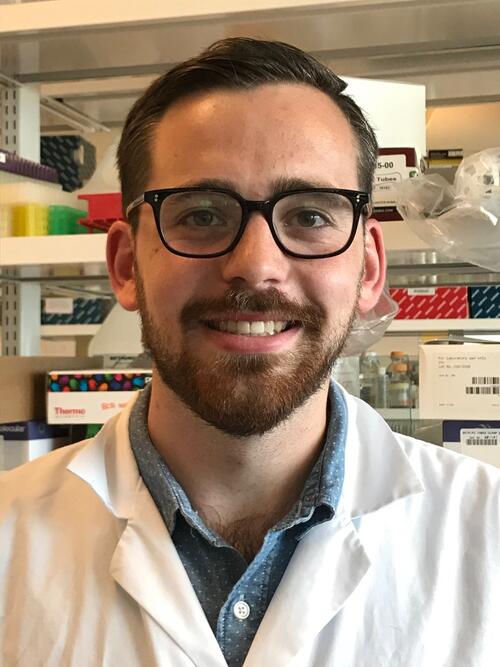
Meanwhile, my colleagues in the lab worked on supporting fish stocks that better respond to infection at the higher temperatures more commonly associated with climate change. This research has proven to be valuable in conservation efforts from the Great Lakes to the Arctic.
Of course, biologists aren’t the only ones confronting the challenges faced by our environment. Researchers from across the University study this complex issue. Last year, Waterloo joined more than 20 other institutions to form the Pan-Canadian Expert Collaboration, which explores how we can adapt to a changing climate.
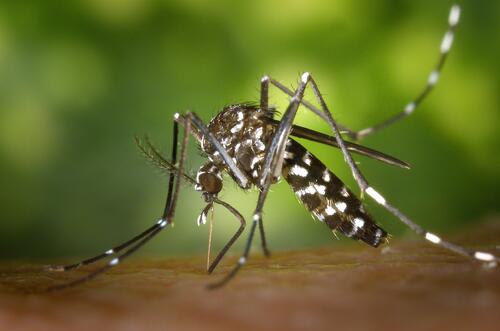
Today, I’m exploring the transmission of Zika virus in mosquitos — a subject that ties our environment to human health. It’s another example of our connection to the world around us, and the importance of observing and engaging with our ecosystems.
As Canadians, with the help of our research community, we can take the lead on preventing further climate change and limiting its impacts, ensuring that the worst outcomes never to come to pass.
“In the end, everything they’ve accomplished is their own doing,” he says. “I just tried to steer them in the few decisions I could.”