
Wednesday, September 18, 2024
Which species will survive the global change challenge?
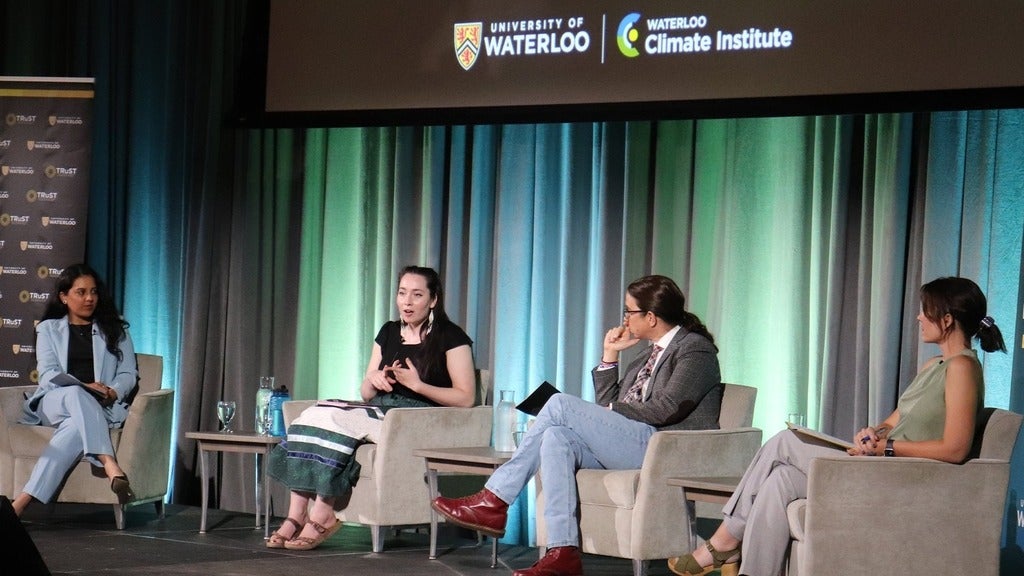
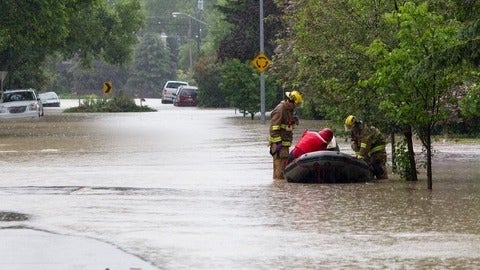
In an era where climate change is more visible than ever — rising urban temperatures, extreme weather events and increasing instances of poor air quality from wildfire smoke — the demand for accurate and trustworthy information is critical. The University of Waterloo, in collaboration with the Waterloo Climate Institute, hosted an impactful community lecture addressing this pressing issue.
Waterloo is a leader in sustainability research and education. Home to the largest Faculty of Environment in Canada, Waterloo has been a catalyst for environmental innovation, solutions and talent for 50 years.
Partners for Action (P4A), a research initiative in the Faculty of Environment, has released the results of a three-year research project focused on equitable community resilience in the face of climate change, culminating in multiple comprehensive reports.

“It looks like a hallmark movie!”
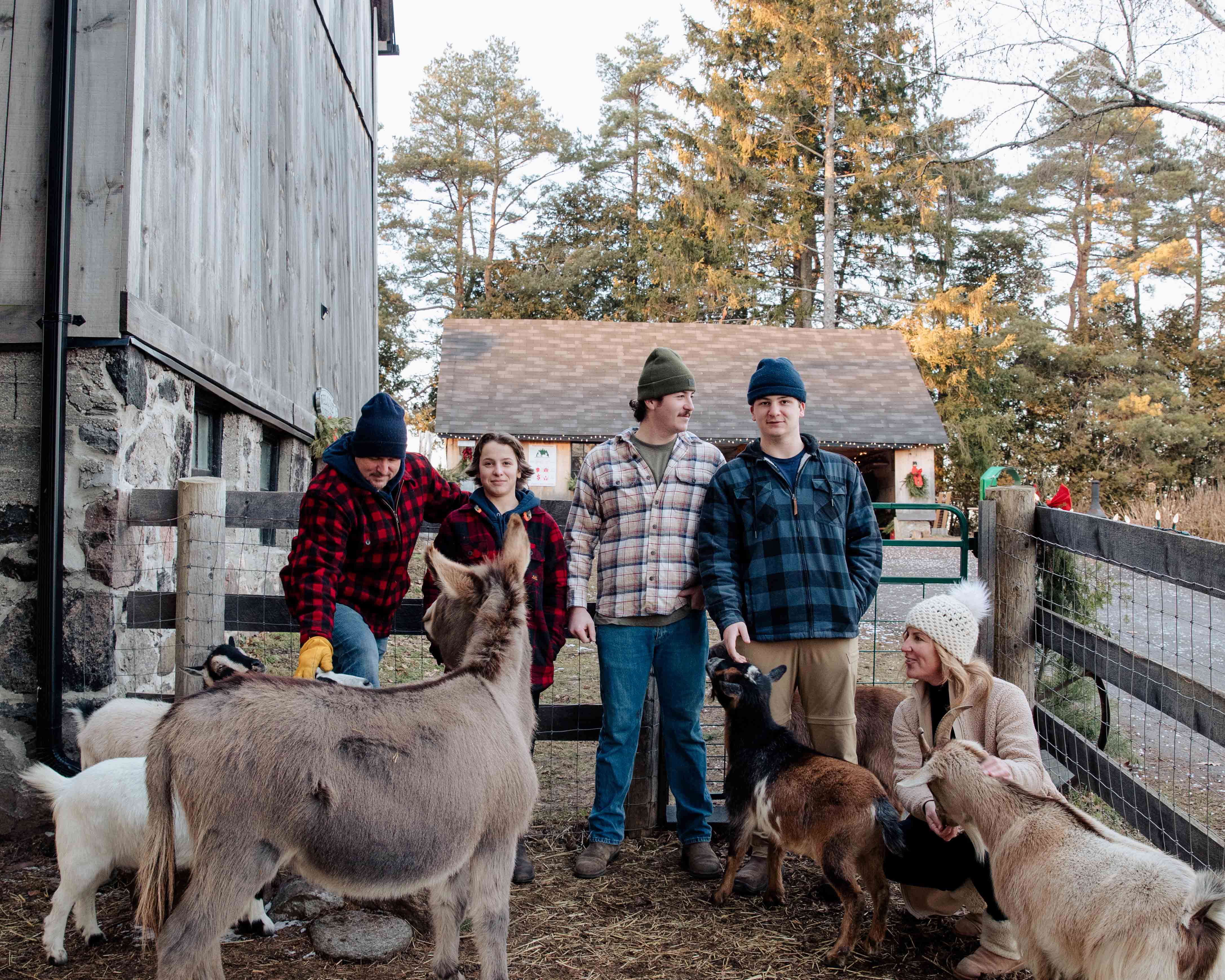
For many, Hope Christmas Tree Farm is not just beautiful but a cherished holiday destination. It is a place where families gather to select the perfect tree and create lasting memories. Yet, behind this picturesque farm is a story of resilience, passion and a deep-rooted love for the land, embodied by its owners, Rebecca and Dan Hope (BES ’97).

The University of Waterloo is dedicated to solving complex global challenges through research excellence and deep industry and community partnerships. Waterloo focuses on transforming societies, economies, technologies, sustainability and health for a thriving future. The "Solving the crisis" series takes an in-depth look at six of some of the most pressing challenges facing humanity today, ranging from climate change to housing affordability.

Researchers at the University of Waterloo have designed an energy-efficient device that produces drinking water from seawater using an evaporation process driven largely by the sun.
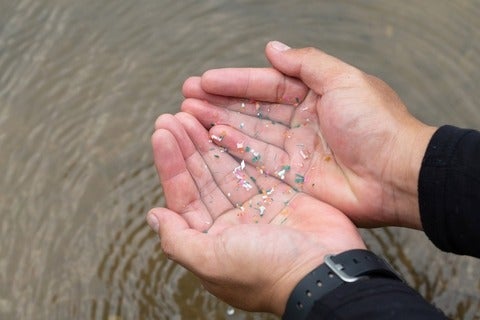
In a global first, University of Waterloo researchers have used 3D imaging technology to understand the fine details of microplastics, paving the way for more effective methods of plastic waste recycling.
Micro and nanoplastics, tiny particles of plastic that come from the breakdown of larger plastic items, have become an exponentially worsening environmental crisis. Due to their difficulties in safely decomposing, plastic pollution poses significant threats to ecosystems, wildlife and human health.
Two University of Waterloo researchers, Drs. Ihab Ilyas and Laura Hug, are being recognized as a Royal Society of Canada (RSC) fellow and a member of the RSC College.

University of Waterloo researchers have developed a new material that can absorb more than eight times its weight in oil, offering a new solution in preventing groundwater contamination from spills or accidents.
“The current technology for oil capture is lagging,” said Tizazu Mekonnen, a professor at Waterloo’s Department of Chemical Engineering. “Preserving our environment is crucial, which is why developing advanced technologies like this polymer is essential for remediating future groundwater contaminants that involve oil.”

The "Solving the crisis:" series explores the pressing challenges of our time, including climate change, biodiversity collapse, housing affordability and more. Each article highlights how Waterloo, a hub of research, innovation and creative thinking, is uniquely positioned to address these issues. Through this series, we highlight the dedication of researchers to tackling global crises and shaping a better future for all.