Community

Monday, August 18, 2025

Made by Waterloo: Prototyping the future of innovation

by Angelica Marie Sanchez, University Relations

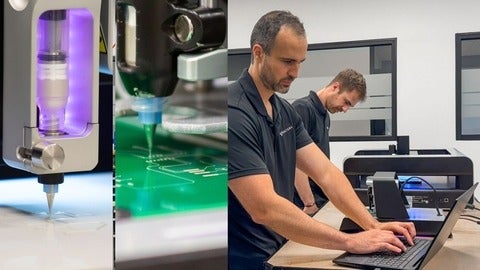
In 2013, the global maker movement was gaining momentum as desktop 3D printers began appearing in offices, homes and classrooms, revolutionizing rapid prototyping with plastic materials. But when it came to printing circuit boards, the process remained slow, complex and largely outsourced.

Four University of Waterloo alumni, Jesus Zozaya (BASc ’13), Katarina Ilić (BASc '13), James Pickard (BASc '13) and Alroy Almeida (BASc '13) saw an opportunity to change that.

Friday, August 15, 2025

Waterloo alum scores success in beauty-tech world

by Darren McAlmont, University Relations

Waterloo students, researchers and alumni are renowned for identifying problems and developing solutions for a better future. Aileen Agada, (BASc ’21, MBET ’24), CEO and co-founder of BeBlended, is one such example of Waterloo-grown talent. 

After being turned away from 15 hair salons because the stylists didn’t have the training or skills to work with her Afro-curly hair, Agada was inspired to launch a company that would solve the problem for other people in her shoes.  

Wednesday, July 9, 2025

Improving heatwave resilience in the Waterloo community

by Jenna Braun, For the Faculty of Health

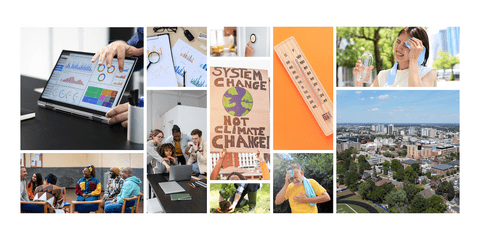
Heatwaves are an increasing threat in Canada, especially to vulnerable populations, including those with pre-existing health conditions, children, the elderly and those who lack the resources to beat the heat. Irfhana Zakir Hussain, a PhD candidate in the School of Public Health Sciences and Systems Design Engineering, is working to predict and map which Waterloo neighbourhoods are most at risk of harm during heatwaves using new and existing data.

Monday, July 7, 2025

New technologies may hold the key to climate resiliency

by Sam Charles, University Relations

Forecasting and tracking wildfires and flooding is extremely complicated as multiple variables are involved. Weather, topography and groundwater flows are just some of the elements that need to be considered when preparing or responding to natural disasters.

Artificial intelligence (AI) and machine learning (ML) technologies are enabling these variables to be analyzed and interpreted quickly and more accurately than ever before allowing decision makers and first responders to make informed decisions that can save lives and safeguard infrastructure.

Friday, July 4, 2025

Tasting the legacy of five Waterloo foodie founders

by Angelica Marie Sanchez, University Relations

Many of the world’s most vibrant culinary and food innovation scenes are rooted in strong academic communities and the University of Waterloo is no exception. Known for its legacy of entrepreneurship, Waterloo has also helped cultivate a new generation of food innovators who are transforming how we grow, prepare and experience food. 

Thursday, July 3, 2025

Resilience and research in motion

by Angie Docking, Internal Communications Officer

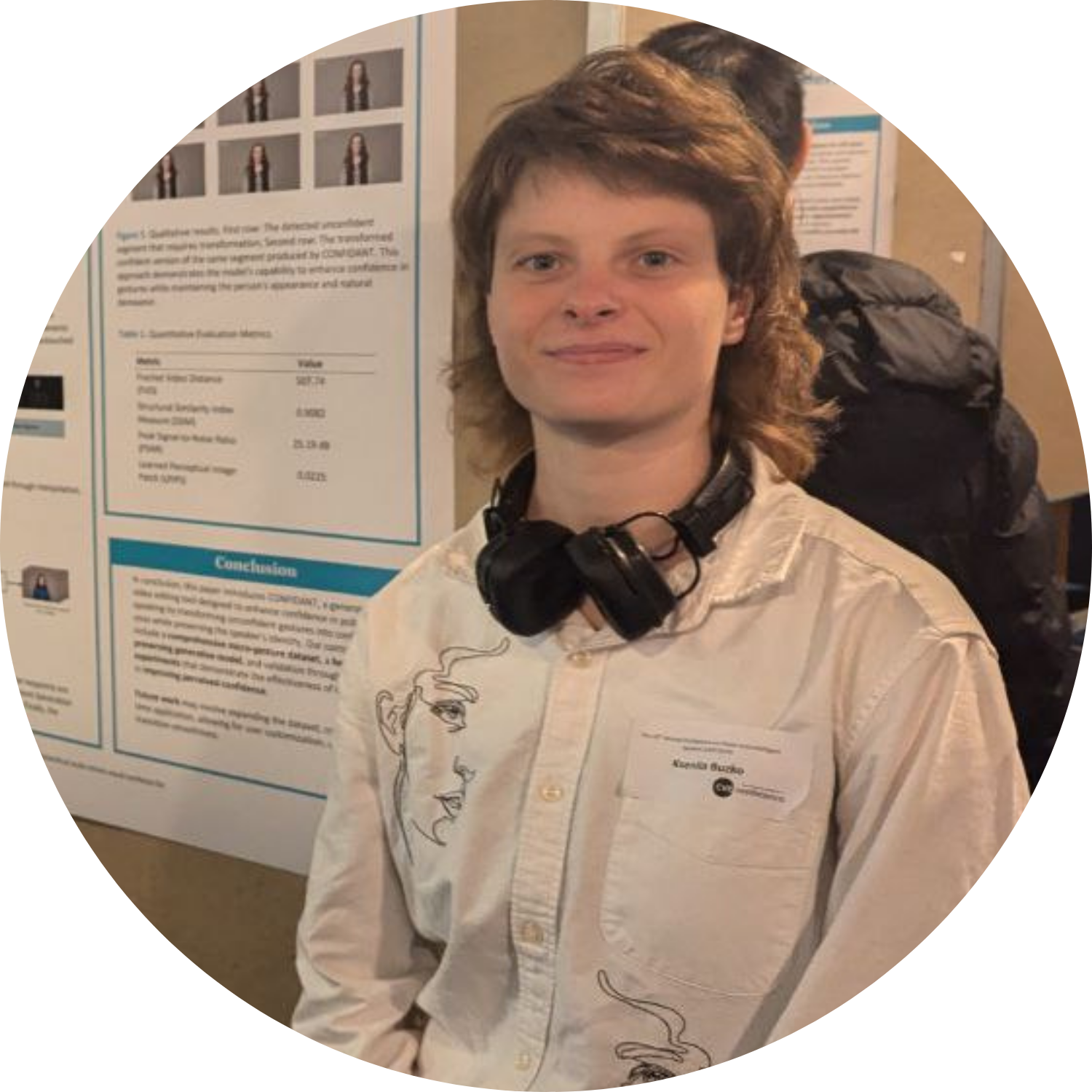
A young woman poses in front of her research presentation.
When war disrupted her studies in Ukraine, Kseniia Buzko faced an uncertain future.

Determined not to let her education be derailed, she built a new future in Canada — earning top grades, forging international research collaborations and producing award-winning work in sports analytics at the University of Waterloo.

Thursday, July 3, 2025

Keep calm, adapt and carry on

by Sam Charles, University Relations

After emerging from the pandemic on a relatively strong footing, the Canadian economy is now dealing with considerable trade and investment uncertainty because of U.S. policies, including tariffs.

Thursday, July 3, 2025

Structured exercise significantly improves survival in colon cancer patients

by Faculty of Health and Waterloo Regional Health Network

The Centre for Community, Clinical and Applied Research Centre (CCCARE)'s UW WELL-FIT program collaborated with a study by the Canadian Cancer Trials Group and Waterloo Regional Health Network that showed structured exercise significantly improved survival in colon cancer patients.