Global Futures

Monday, January 22, 2024

Developing personalized cancer vaccines 

by Melodie Roschman, Faculty of Mathematics 

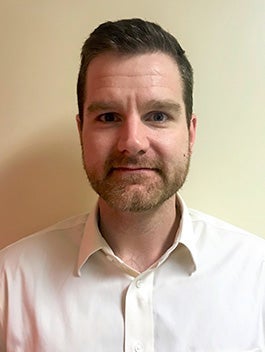
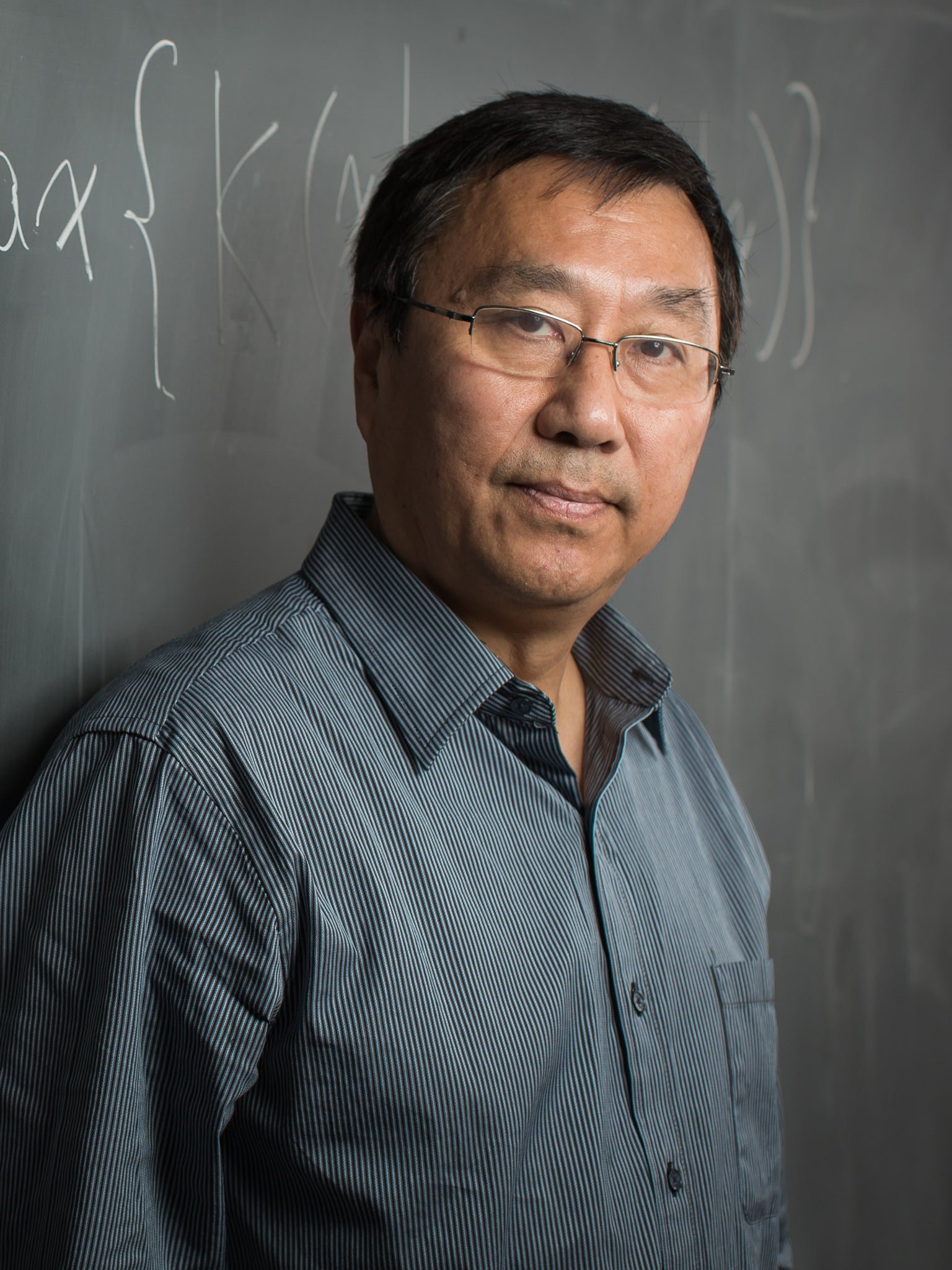
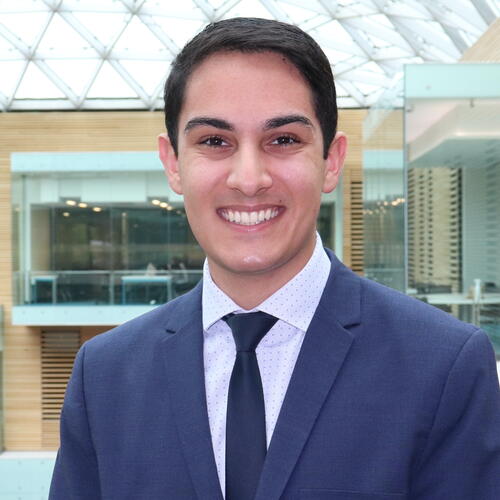
Dr. Ming Li

Dr. Ming Li  
Professor, Faculty of Mathematics  
> Cheriton School of Computer Science 
> Canada Research Chair in Bioinformatics 
> Founder, Bioinformatics Solutions Inc.  

Cancer is the leading cause of death in Canada. According to the Canadian Cancer Society, an estimated 230,000 people are diagnosed with cancer every year.  

Monday, January 22, 2024

Creating an equitable health-care system in Canada

by Faculty of Health

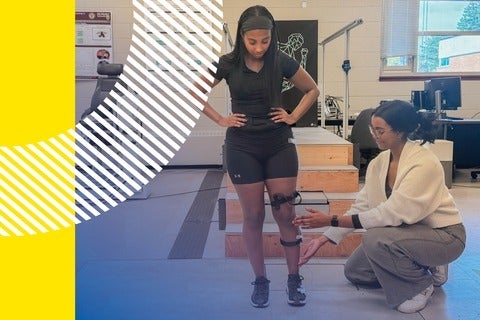
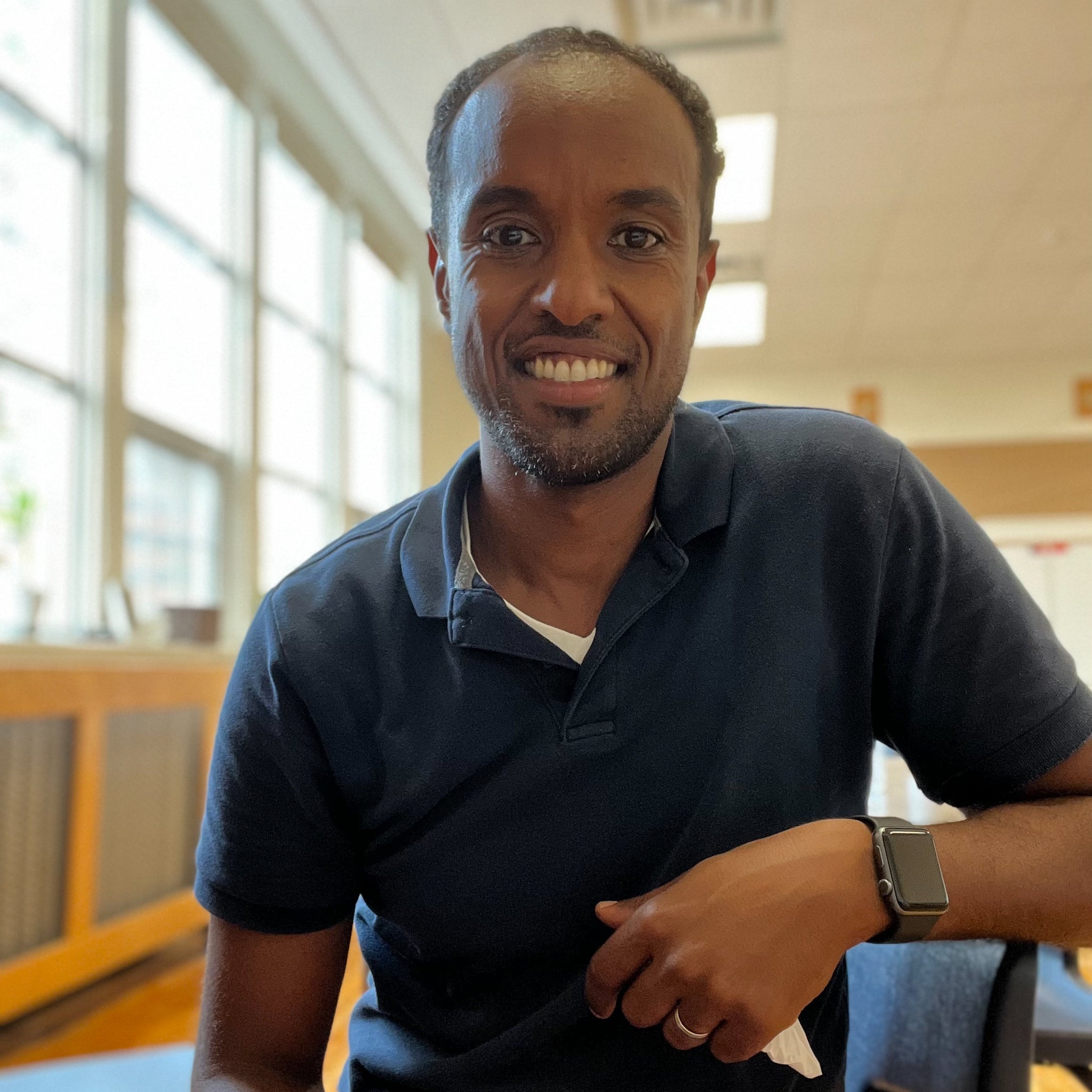
Rachel Almaw was awarded the 2022 Faculty of Health Co-op Student of the Year. She worked for three co-op terms in the Mobilize Clinical Biomechanics research lab, which is based in Waterloo’s Department of Kinesiology and Health Sciences. It was through these co-op terms that she found her calling. 

Almaw focuses her research on the intersection of health and race. We asked her what needs to change in Canada’s approach to data collection and research to create a more equitable health-care system. 

Monday, January 22, 2024

Taking the waste out of 3D printing

by Angelica Marie Sanchez, University Relations

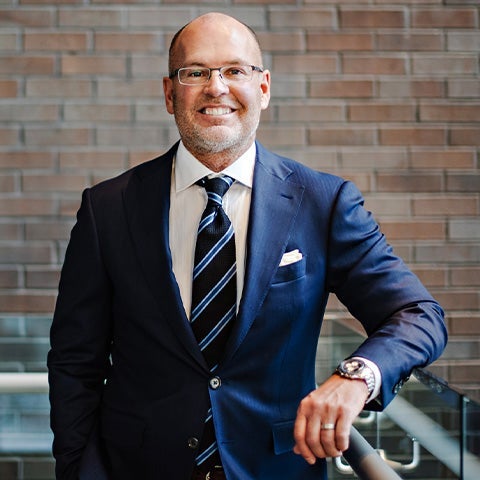
Jason Amri

Jason Amri (BCS in progress)
Student, Faculty of Mathematics
> Co-founder, 3cycle
> GreenHouse
> Velocity

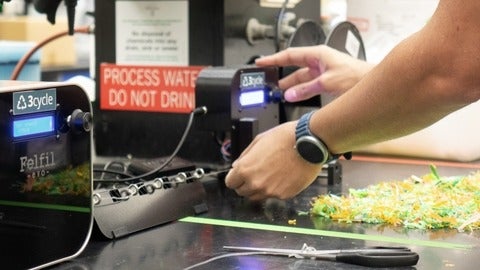
In recent years, 3D printing has become a manufacturing resource used in small to large-scale projects from prototyping products to 3D-printed houses.  

Monday, January 22, 2024

Illuminating human bias and our ability to be misled

by Jordan Flemming, University Relations

Jonathan Fugelsang

Jonathan Fugelsang
Professor, Faculty of Arts

In an era of rapidly spread information, distinguishing between what’s meaningful and profound and what’s misleading nonsense has never been more vital to a productive society.

Monday, November 6, 2023

Society needs diversity in STEM

by Dr. Carla Fehr , Faculty of Arts

Dr. Carla Fehr is a professor in the Department of Philosophy and serves as an advisor to the Gender and Social Justice program. She is an expert in gender diversity in STEM and feminist philosophy of science.

Fehr’s research explores the social nature of science and technology and how our culture influences the knowledge we produce. Across our academic and research activities we must consider the impacts on society. We asked Fehr how we can strengthen science and technology to positively advance society and ensure all members of our communities thrive.   

Friday, November 3, 2023

Leveraging technology to improve tuberculosis health care

by Angelica Marie Sanchez, University Relations

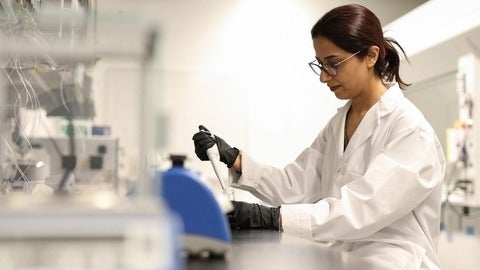
Every year, around 10 million people contract tuberculosis (TB) — a treatable disease where bacteria attack a patient’s lungs. Globally, only about half of those who contract TB yearly are diagnosed. Many other people with TB are undiagnosed and untreated, partly due to a lack of access to quality health-care systems, particularly in resource-limited settings and among marginalized groups.