Identifying the next deadly virus
Researchers from the University of Waterloo have successfully classified 191 previously unidentified astroviruses using a new machine learning-enabled classification process.
We all have different ways of giving back, whether giving our time and skills or making a charitable donation. However, the reason is often the same — you want to help make a difference.

Dr. Sara Konrath (BA ’02)
Dr. Troy Glover (PhD ’00) has dedicated his career to exploring transformative placemaking, which he describes as the aspirational efforts to convert urban spaces into meaningful places. These initiatives aim to encourage positive social interactions and enhance the quality of community life.
A lack of connectedness and loneliness can severely affect people’s health. “Research reveals the mortality impact on lonely and disconnected individuals is comparable to smoking 15 cigarettes a day,” Glover said.
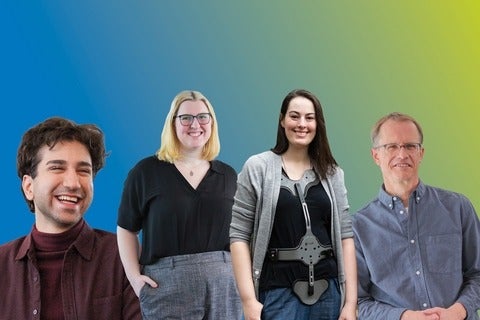
From transforming peacebuilding with technology to developing AI-powered tools for mental well-being and championing inclusivity in STEM, these innovators illuminate new paths to joy.
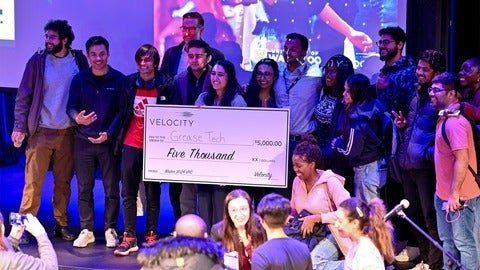
Velocity, the University of Waterloo's largest entrepreneurship program, has released its first edition of Momentum. The publication showcases strong engagement from entrepreneurially minded students and the achievements of those students and other startup founders.
In the midst of a rapidly changing world, how can we ensure a prosperous future for humanity and our planet? A new podcast hosted by University of Waterloo chancellor Dominic Barton, called Global Futures in Focus, explores this question and more.
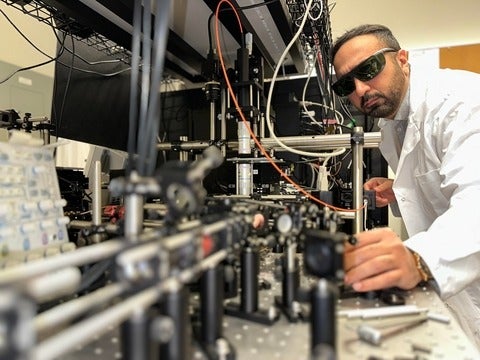
University of Waterloo researchers have invented a digital medical imaging system that significantly improves the cancer detection process to deliver immediate results and enable swift, effective treatment for all types of cancer.
Two co-op students from the Faculty of Science have made a big impact during a recent work term at the SickKids Research Institute. Murto Hilali and Kritika Grover are using AI as a tool to understand cerebral palsy — and their efforts have earned them recognition as contributing authors in an upcoming paper published in Nature Genetics.

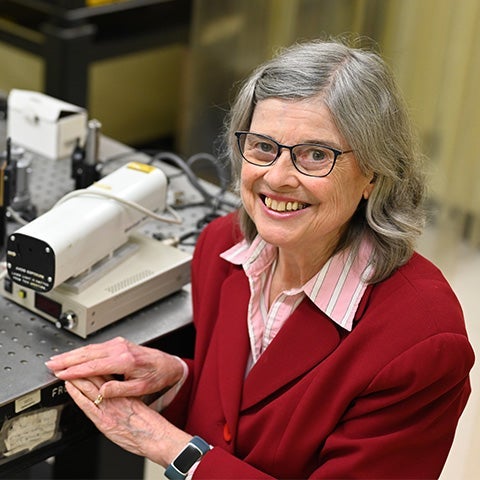
Melanie Campbell
Professor, Faculty of Science
> Cross-appointed to the School of Optometry and to the Department of System Design Engineering
The University of Waterloo’s Health Initiatives team designed the Graham Seed Fund (GSF) for researchers to submit their proposals for innovative health-care solutions that address the world’s most pressing challenges.
The GSF seeks to leverage and build health system partnerships that extend beyond academia. Empowering interdisciplinary teams of Waterloo researchers to collaborate directly with a full range of health providers and clinicians to develop transformative health technologies that are made for real-world impact.