Technological Futures

Wednesday, December 13, 2023

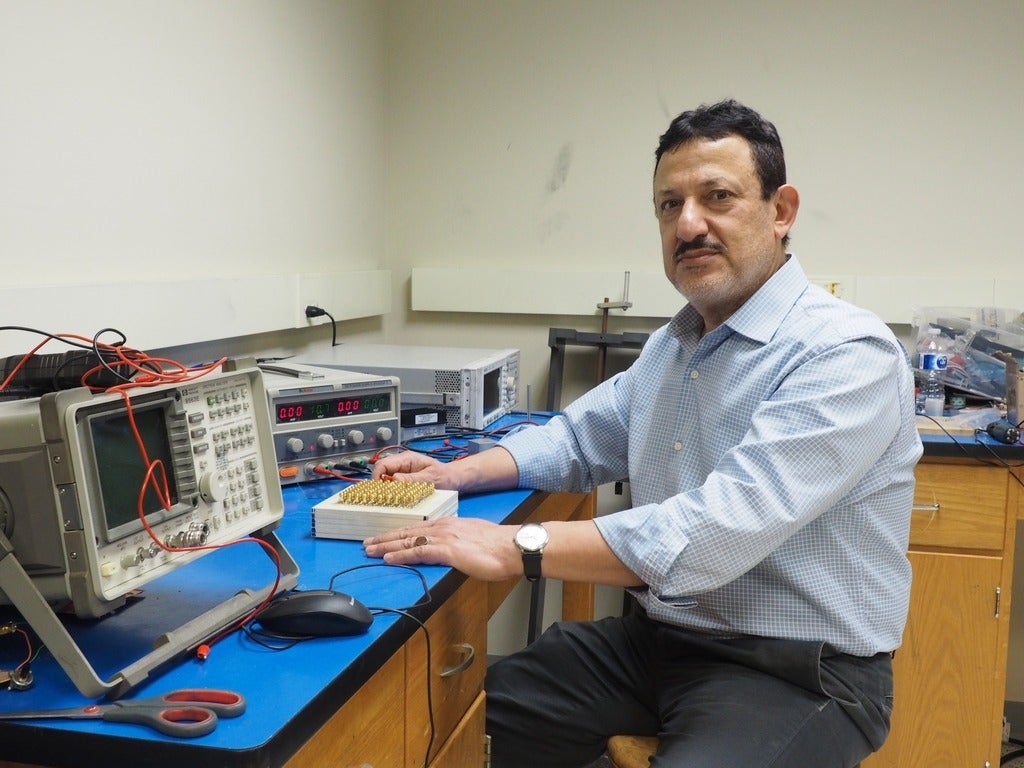
Breakthrough X-ray technology goes from concept to medical standard

by Office of Research

Detecting a deadly tumor as early as possible is vital to stopping its spread. However, creating the solution doesn’t necessarily solve the problem — it needs to be widely adopted by medical professionals. That’s why standards like the new IEC 62220-2-1: 2023 Medical electrical equipment – Characteristics of digital X-ray imaging devices are so important.  

Thursday, December 7, 2023

Is Alexa sexist? In short, yes

by Media Relations

University of Waterloo professor and Canada Research Chair in Technology and Social Change Dr. Lai-Tze Fan analyzed hundreds of Amazon’s virtual assistant Alexa’s voice-driven skills. Dr. Fan’s goal was to better understand how the encoded technology mirrors and reinforces traditionally feminized labour and sociocultural expectations.

Thursday, November 30, 2023

Waterloo alumni named among Forbes 30 Under 30

by Jordan Flemming, University Relations

See the remarkable achievements of individuals with roots at University of Waterloo recognized on Forbes' 30 Under 30 list.

The annual list highlights young entrepreneurs who are making a difference in their fields. Waterloo-linked founders were named in health care, consumer technology, science, social impact and enterprise technology categories.

Wednesday, November 29, 2023

New method can detect early-stage breast cancer in two minutes

by Media Relations

University of Waterloo researchers are pioneering a method to detect breast cancer in women early enough for them to receive life-saving treatment.

The innovative technology aims to be more accurate as well as cheaper to provide than today’s most common diagnostic tools such as X-ray mammography, ultrasound and magnetic resonance imaging (MRI). Test runs have been completed in two minutes and used less energy than a smartphone. It would also be safer than X-rays, which expose patients to high-level radiation that can damage DNA and cause cancer.

Wednesday, November 29, 2023

Researching the cutting edge of 5G network slicing technology

by Jordan Flemming, University Relations

The emergence of 5G technology is transforming telecommunications, granting people and industry remarkable capabilities. With research advancements, in the future we could see 5G offer speeds of up to 20 gigabits per second — it far surpasses 4G. This speed not only enables lightning-fast downloads, its low latency, as low as 1 millisecond, is ideal for real-time applications like remote surgery and augmented or virtual reality. 5G's ability to connect up to 1 million devices per square kilometer is also accelerating the development of the Internet of Things (IoT).

Tuesday, November 28, 2023

Unlocking the secrets of cells with AI

by Media Relations

Machine learning is now helping researchers analyze the makeup of unfamiliar cells, which could lead to more personalized medicine in the treatment of cancer and other serious diseases.  

Researchers at the University of Waterloo developed GraphNovo, a new program that provides a more accurate understanding of the peptide sequences in cells. Peptides are chains of amino acids within cells and are building blocks as important and unique as DNA or RNA.

Monday, November 20, 2023

Redesigning health and well-being for all

by Angelica Marie Sanchez, University Relations

The University of Waterloo welcomed Royal Society of Canada (RSC) academics from across Canada, as they participated in a full-day symposium on Health and Well-being for All by 2030: Application of technology to global health problems, held at Federation Hall on November 16. 

The RSC and Waterloo share a common goal of addressing local and global challenges through future-focused solutions that have real-world impact. So, it was fitting that Waterloo hosted this year’s RSC Celebration of Excellence and Engagement conference (#COEE2023) to discuss the future of health.