Firebird forecasts and models wildfire spread
As wildfires grow more frequent and severe across Canada, University of Waterloo
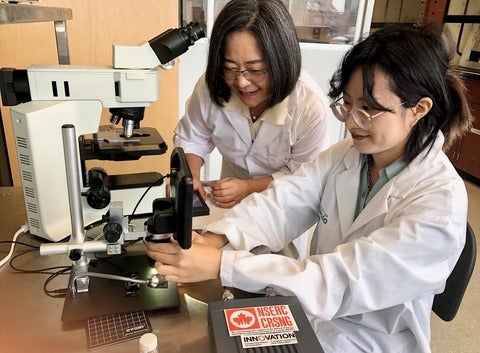

A palm-sized device developed by researchers at the University of Waterloo could help save lives and reduce illness by rapidly and inexpensively detecting toxic bacteria in water supplies.
Contamination caused by E. coli, a bacterium commonly found in the gastrointestinal tracts of mammals, causes an estimated 230 deaths and three million acute illnesses globally each year, mostly affecting babies and young children, according to a study from the National Institute of Health.
In a world marked by relentless technological change, economic volatility and global complexity, optimism is no longer just a mindset — it’s a strategic advantage. Today’s leaders must not only respond to disruption but harness it to fuel reinvention and growth.
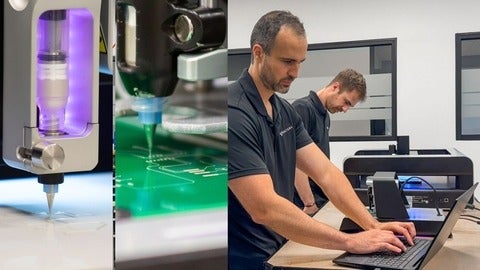
In 2013, the global maker movement was gaining momentum as desktop 3D printers began appearing in offices, homes and classrooms, revolutionizing rapid prototyping with plastic materials. But when it came to printing circuit boards, the process remained slow, complex and largely outsourced.
Four University of Waterloo alumni, Jesus Zozaya (BASc ’13), Katarina Ilić (BASc '13), James Pickard (BASc '13) and Alroy Almeida (BASc '13) saw an opportunity to change that.
Waterloo students, researchers and alumni are renowned for identifying problems and developing solutions for a better future. Aileen Agada, (BASc ’21, MBET ’24), CEO and co-founder of BeBlended, is one such example of Waterloo-grown talent.
After being turned away from 15 hair salons because the stylists didn’t have the training or skills to work with her Afro-curly hair, Agada was inspired to launch a company that would solve the problem for other people in her shoes.
A new study from researchers at the Institute for Quantum Computing (IQC) at the University of Waterloo marks an important step in certifying Quantum Key Distribution (QKD) devices, crucial to enabling secure quantum communication technology.
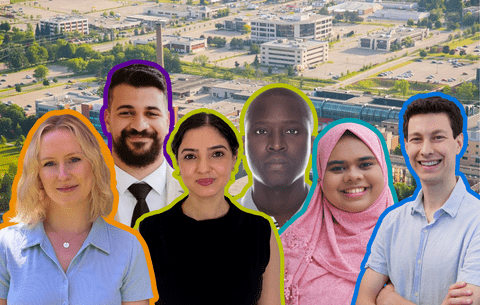
As part of a recent Government of Canada announcement, six University of Waterloo doctoral students were named recipients of the Vanier Canada Graduate Scholarship (Vanier CGS).
The Vanier CGS is one Canada’s highest academic honours, awarded to doctoral students who demonstrate academic excellence, research potential and leadership. These scholars join a community of researchers at Waterloo who are tackling today’s most pressing challenges through both fundamental discovery and applied innovation.
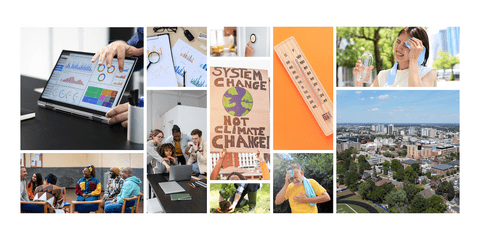
Heatwaves are an increasing threat in Canada, especially to vulnerable populations, including those with pre-existing health conditions, children, the elderly and those who lack the resources to beat the heat. Irfhana Zakir Hussain, a PhD candidate in the School of Public Health Sciences and Systems Design Engineering, is working to predict and map which Waterloo neighbourhoods are most at risk of harm during heatwaves using new and existing data.
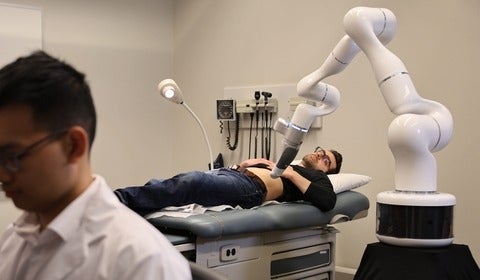
Cobionix, a pioneer in autonomous medical robotics, has secured $3 million in new strategic funding from venture capital firm TitletownTech. The firm, whose backers include Microsoft and the Green Bay Packers, specializes in digital health, agriculture, manufacturing, logistics and entertainment.
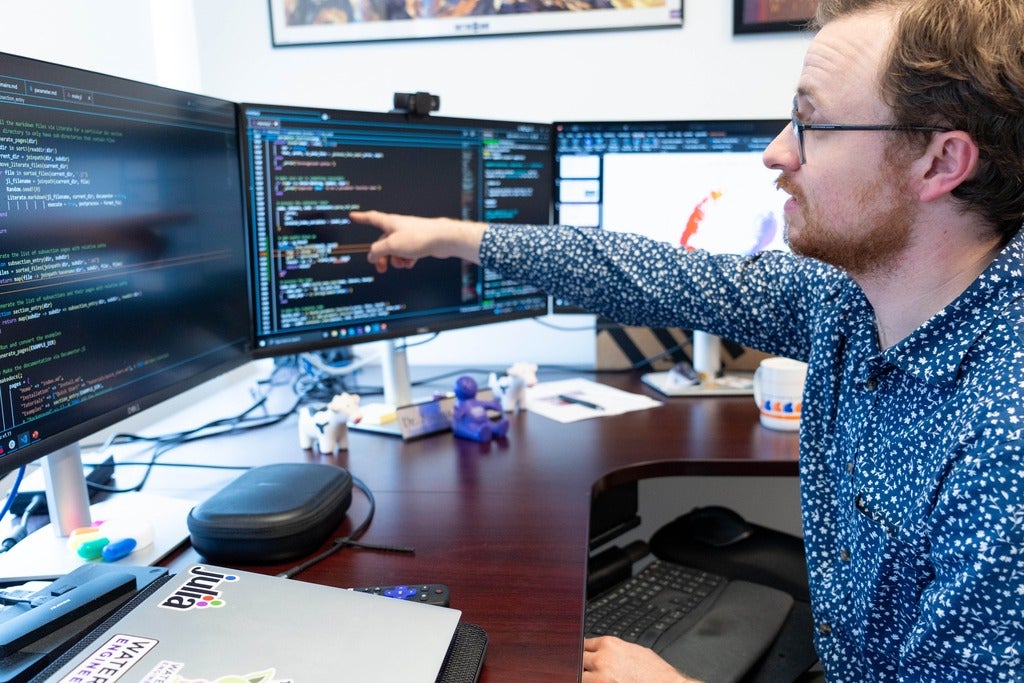
Forecasting and tracking wildfires and flooding is extremely complicated as multiple variables are involved. Weather, topography and groundwater flows are just some of the elements that need to be considered when preparing or responding to natural disasters.
Artificial intelligence (AI) and machine learning (ML) technologies are enabling these variables to be analyzed and interpreted quickly and more accurately than ever before allowing decision makers and first responders to make informed decisions that can save lives and safeguard infrastructure.