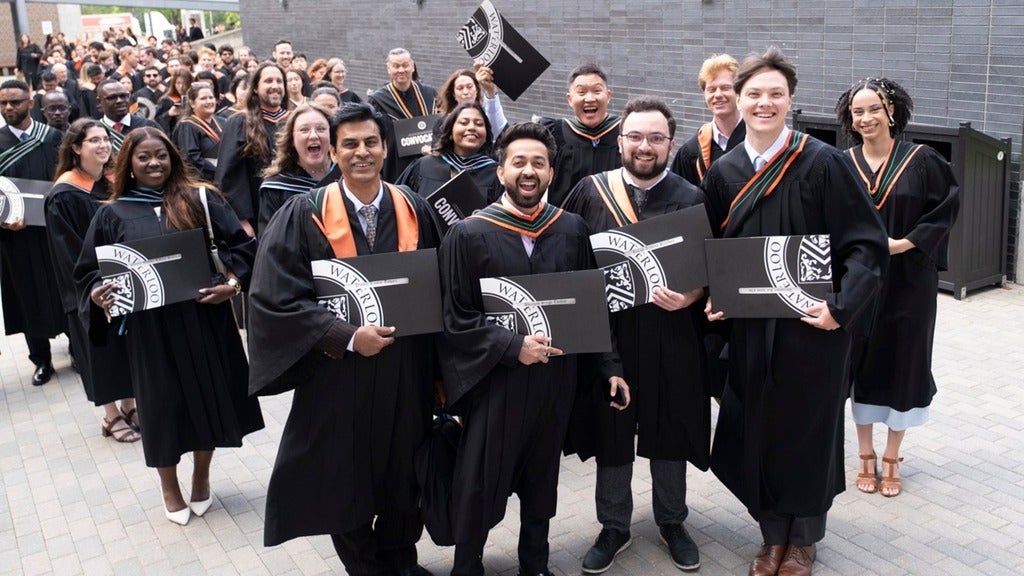
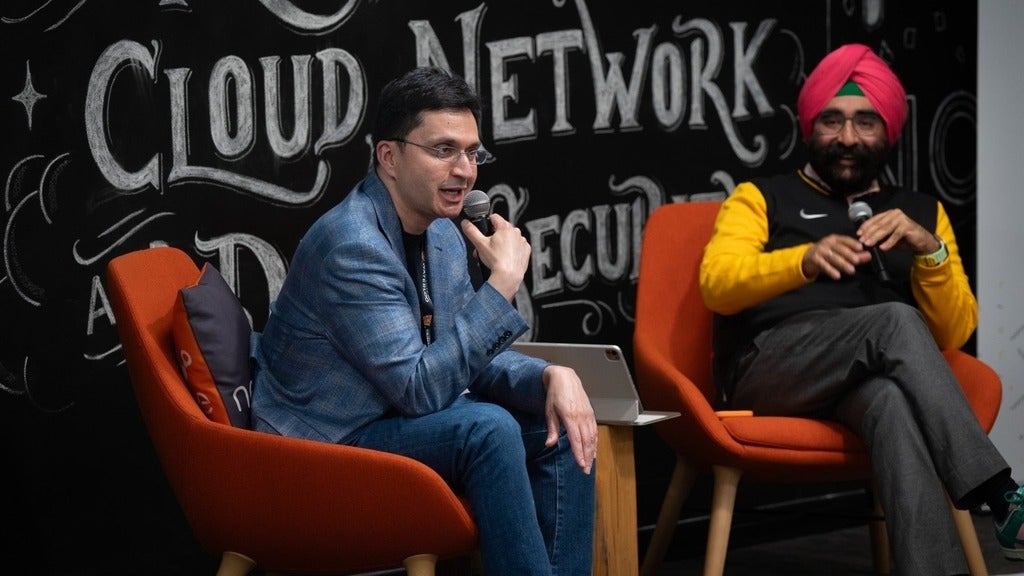
Waterloo students refuel a beloved tradition
Nearly 50 years after Waterloo Engineering students first hauled a school bus through Kitchener-Waterloo streets, the Bus Push (Pull) is taking a new route
On a Saturday morning in the spring of 1977, about 60 University of Waterloo students from the Faculty of Engineering pushed and pulled a 48-seater school bus 3.4 miles through the streets of Kitchener-Waterloo (KW) to raise money for a local charity.
The ten or so students pushing from the back soon had their fill of engine fumes (the bus was running for the brakes to work) and joined the others pulling from the front. Pulling rather than pushing was a far safer, healthier and fun way to go but somehow the name Bus Push, rather than Bus Pull, stuck.
That first event raised money for Big Sisters of Kitchener-Waterloo and finished with a reception at Market Square. The Ridgid Ensemble, a student band, played from the front of the procession. Regional police kept the traffic moving. Cars hooted in support. Passersby donated change and enjoyed a laugh. The total collected along the route that day came to $36.25.
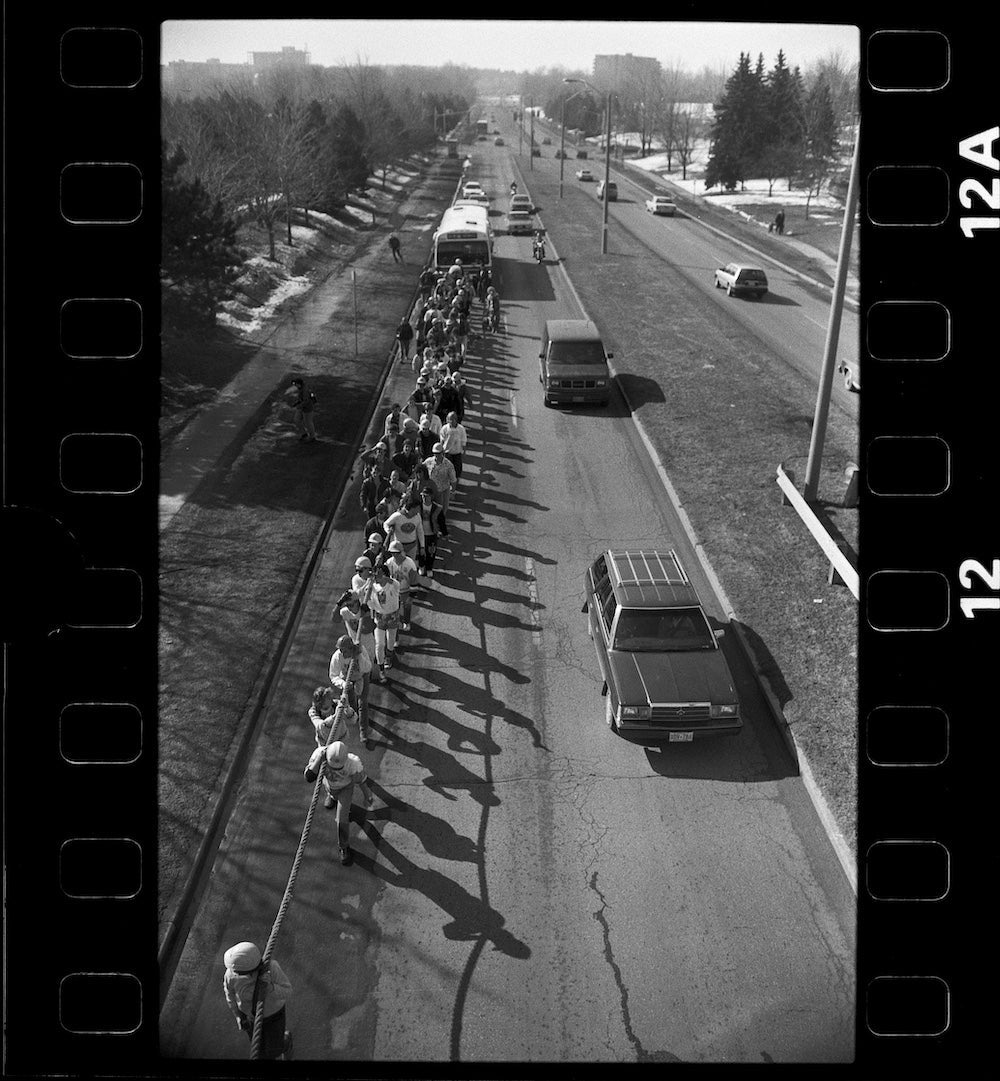
University of Waterloo Libraries. Special Collections & Archives. Kitchener-Waterloo Photographic Negative Collection. GA68-1987-87-565.jpg
Waterloo Engineering alum Peter Baltais (BASc ’78) was on the Waterloo Engineering Society (EngSoc) executive team back then and edited the student publication Enginews. He helped organize that inaugural Bus Push and remembers the pace.
“We calculated the average speed to be somewhere around three miles an hour, which meant we finished ahead of schedule,” Baltais says. “We miscalculated our own speed and arrived ahead of the reception party so settled in at the local bar. We were all in a very good mood.”
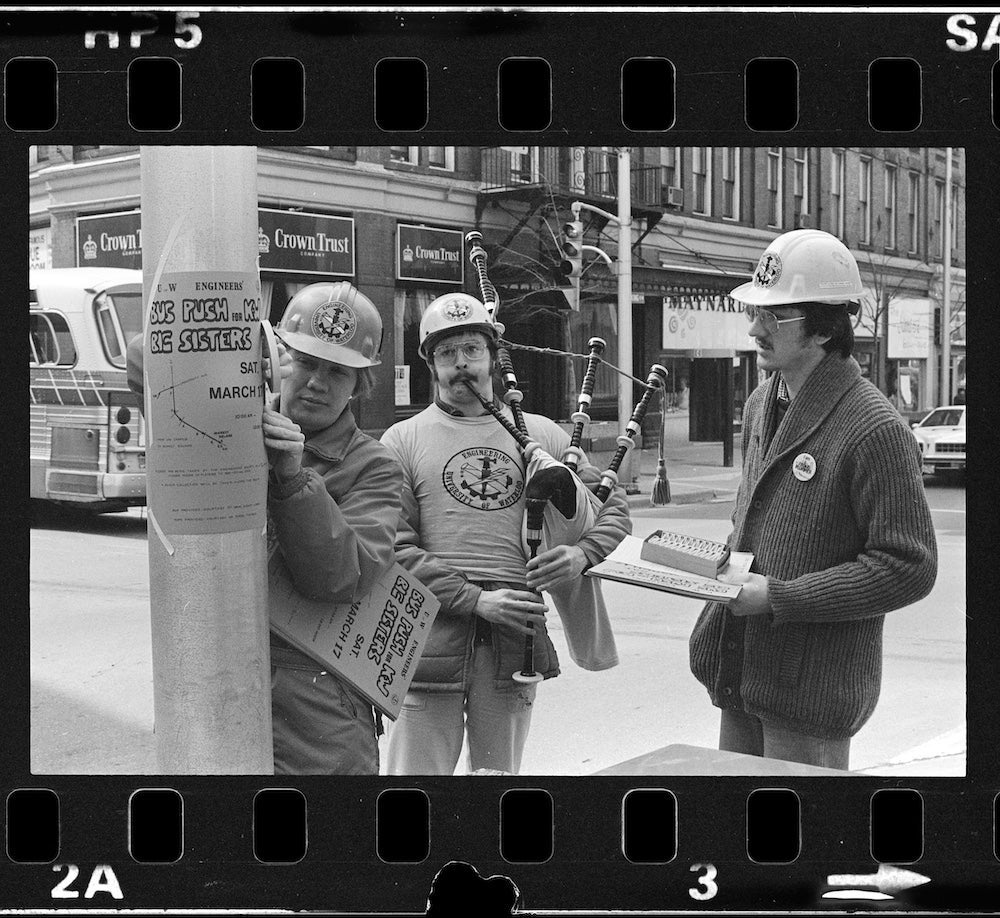
University of Waterloo Libraries. Special Collections & Archives. Kitchener-Waterloo Photographic Negative Collection. GA68-1979-79-257
The event, which drew coverage from local television and the campus press, was considered enough of a success that the next EngSoc team ran it again the following year. And then the one after that. And so, an annual tradition was born.
The wheels keep turning
The Bus Push ran for decades and became a well-known fixture on the Waterloo Engineering calendar — until COVID-19 shut it down. It returned in fall 2023 and again in March 2025, when EngSoc brought it back with a carnival running in parallel and a DJ on site — a nod to the event’s original spirit of organized chaos for a good cause. About 20 to 30 participants pulled the bus on that wintry day in March, raising $3,778 for Canada’s Children’s Hospital Foundations.
The current EngSoc executive team now wants to give the Bus Push, well, a good push in a new direction. The plan is to move the event to align with Engineering Day, the Faculty's annual fun day bringing together students, staff and faculty from across Waterloo Engineering.
“Engineering Day is our largest student event of the year and draws a huge crowd, there’s so much energy and enthusiasm,” says Emmanuel Nera, a second-year mechanical engineering student and EngSoc executive. “The Bus Push is a perfect fit as it’s all about community spirit, giving back and having fun.”
For Nera, the appeal of the Bus Push goes beyond the logistics. It is, he argues, a near-perfect expression of what Waterloo Engineering culture is all about.
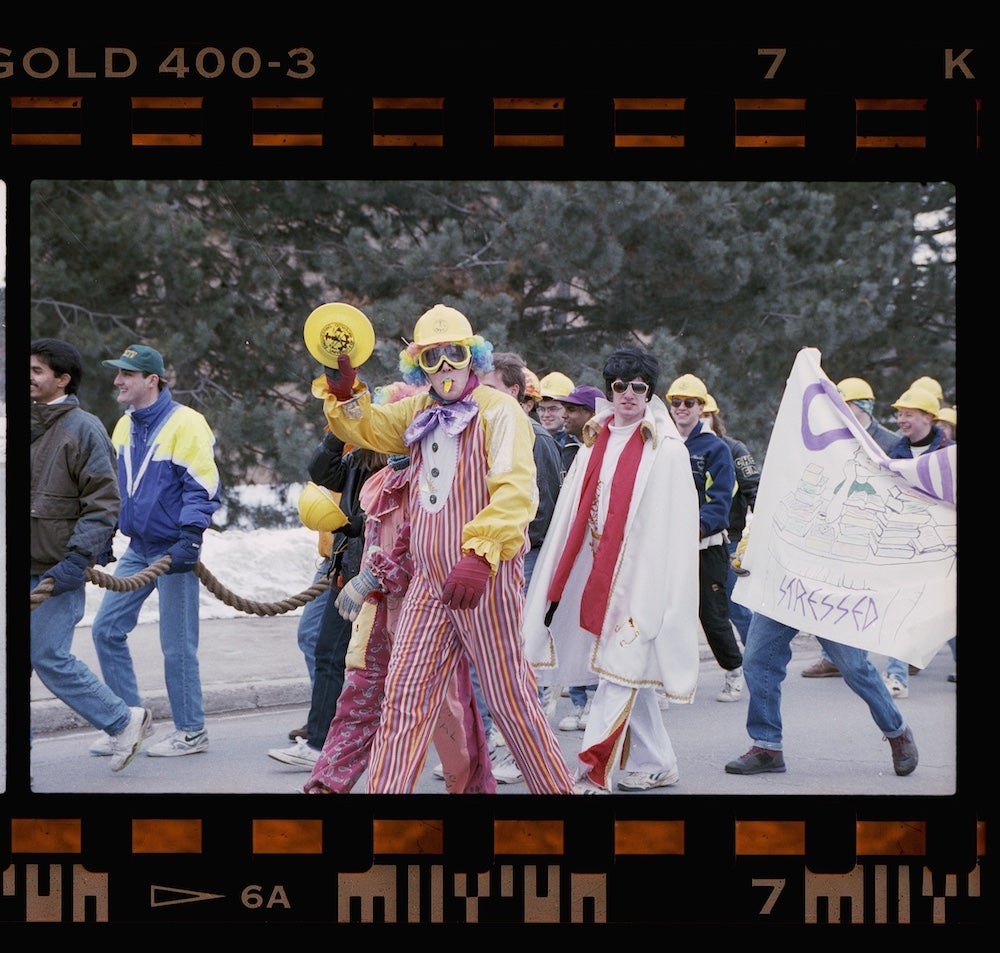
University of Waterloo Libraries. University of Waterloo Archives. Graphic Services fonds. UWA1-87-0024-32-93-03-11
“It’s a little bit crazy, a little bit of doing something that doesn’t really make sense, but you're being silly together,” he says. “People can be themselves and even, a little ridiculous — and it’s all for a good cause. I think that’s just beautiful.”
Baltais, now retired and deeply embedded in community volunteering in Calgary, echoes that sentiment. “Nothing beats the feeling of belonging, being part of a community,” he says.
The Bus Push, for all its unassuming origins, was one early expression of that instinct — a group of engineering students who decided that a good use of their time was to haul a bus through town, spread some cheer and support others.
As Baltais puts it, “We wanted to give back to the KW community and have some fun.”
Join the Bus Push at Engineering Day 2026
On July 9, Waterloo Engineering students will haul a school bus from the CPH Courtyard through Ring Road to the North Residences — and back.
The pull starts at 12:45 p.m. and wraps up around 2 p.m.
This year's event raises money for the Food Bank of Waterloo Region. There are several ways to get involved: grab a spot on the rope, buy the exclusive Bus Push patch, or donate to ride the bus as it's being pulled. Anyone can donate on behalf of anyone else — so reach out to family, friends and classmates, too.
Not pulling? Come cheer. There's a marching band, purple water fights and the general organized chaos that makes this a beloved Waterloo Engineering tradition.
Sign up and donate | Learn more about the Bus Push
Feature image: Bus Push/Pull 2025. Credit@EngSoc. All other images supplied by the University of Waterloo Library Archives — unfortunately we were unable to find photos from the inaugural event in 1977.