Smoke season is back
For many Canadians, the bigger question is whether adaptation can keep up
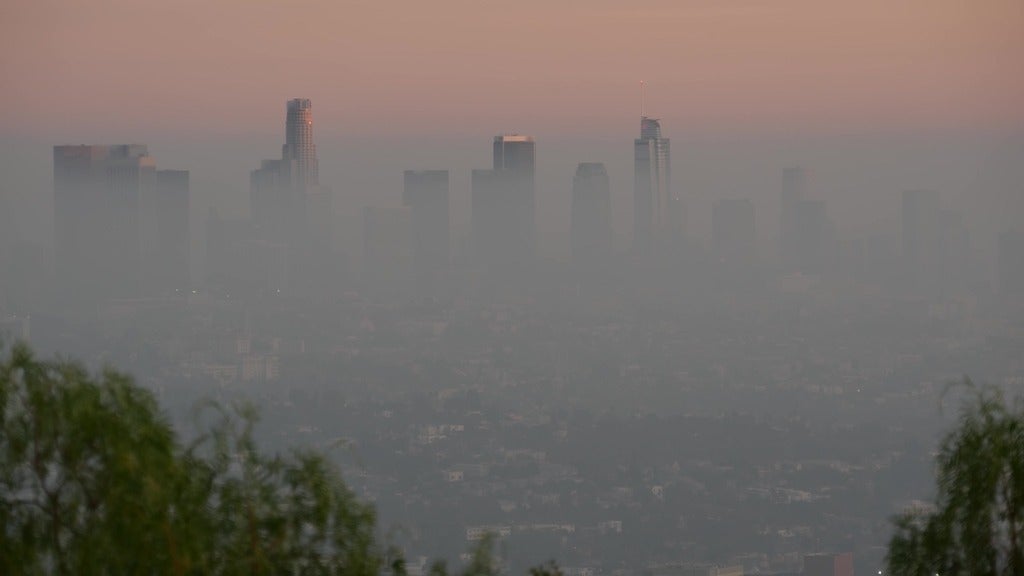
As Canada heads into the 2026 wildfire season, Canadians should expect smoke-filled skies to become a more regular part of summer, even in communities far removed from active fires.
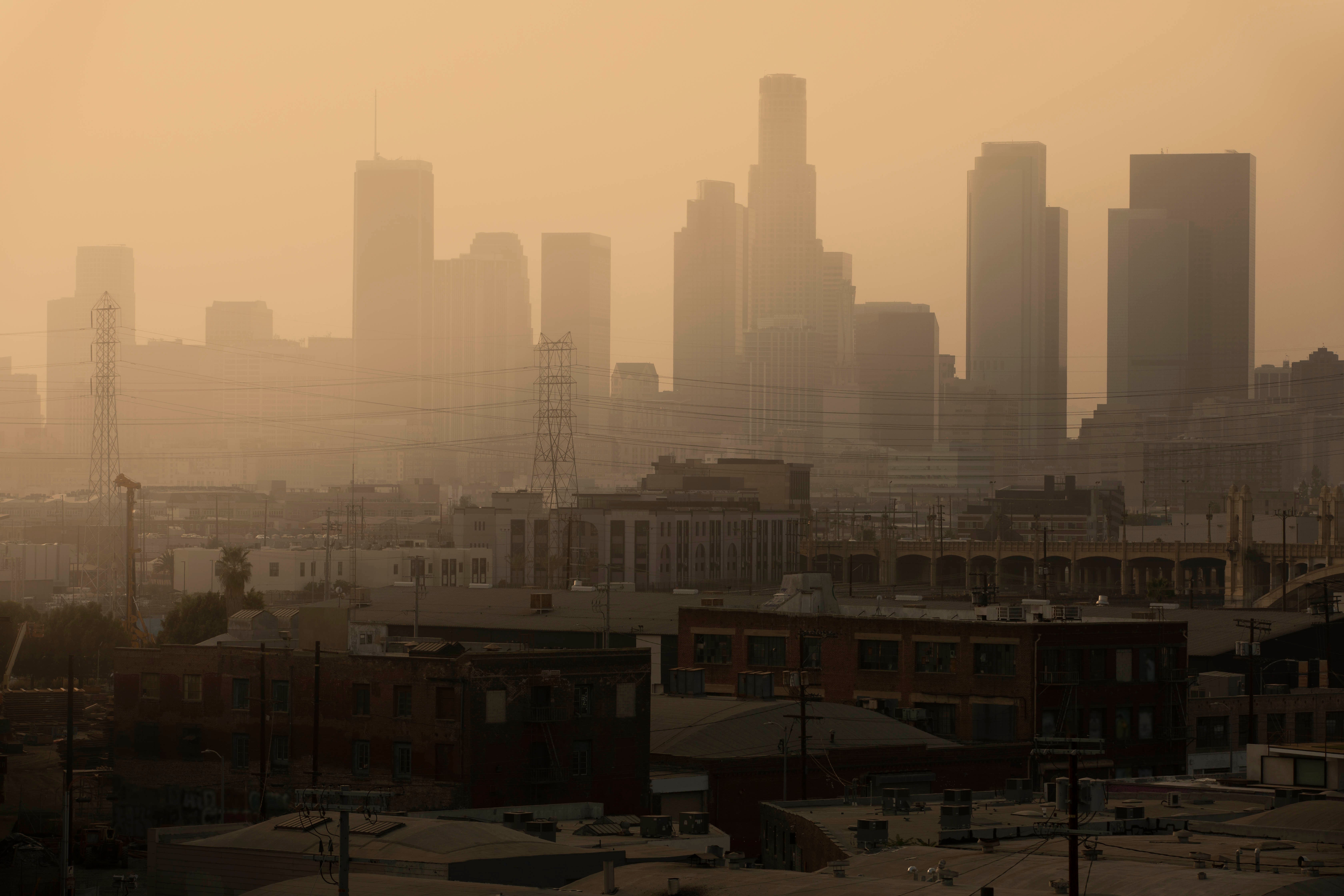
New insights from the University of Waterloo highlight how wildfire smoke is evolving into a widespread public health concern, with impacts that are harder to predict and increasingly difficult to avoid.
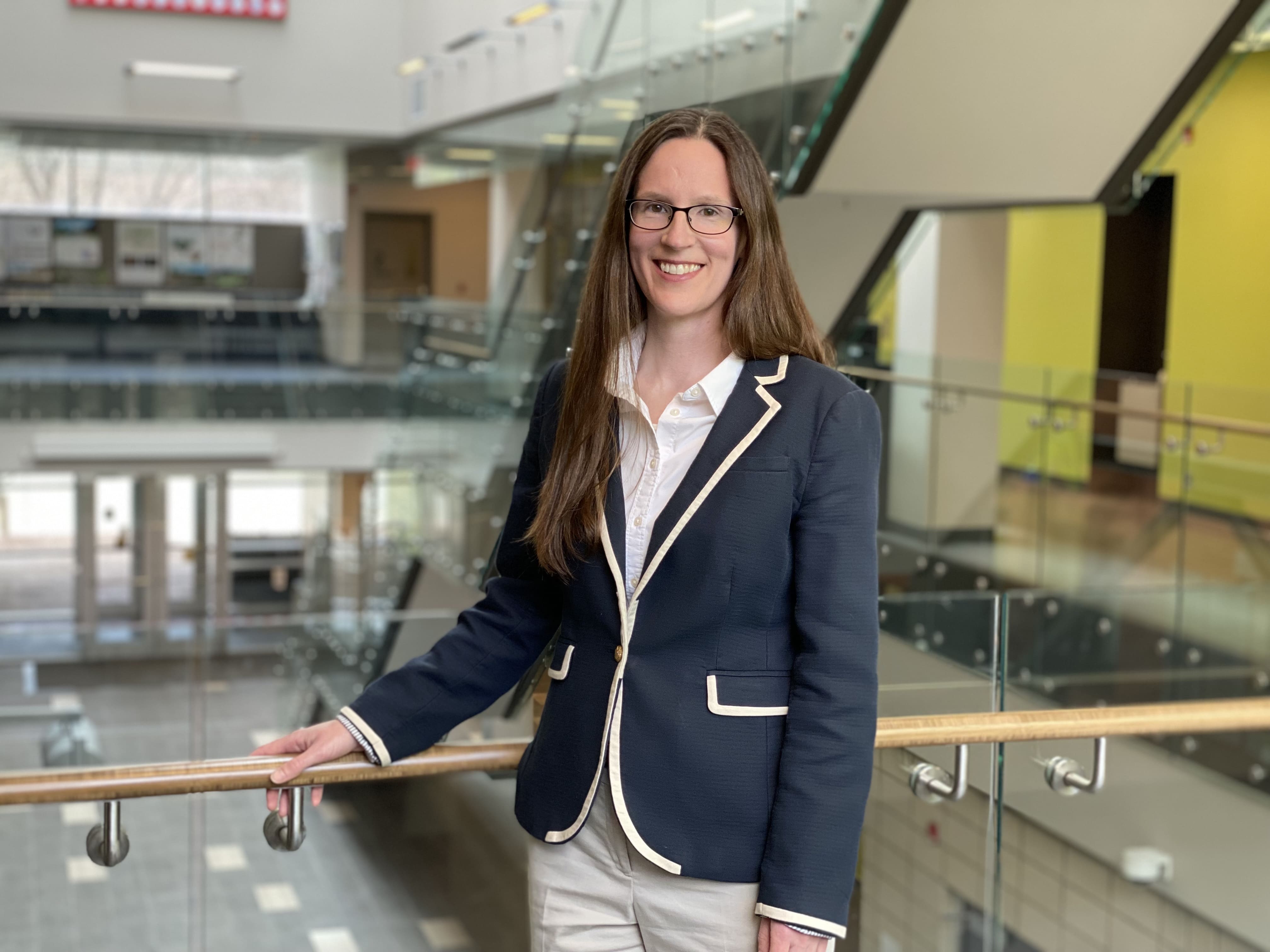
“Wildfires have historically been a major driver of harmful air pollution in Canada. Under climate change, that influence is expected to grow,” says Dr. Rebecca Saari, an Associate Professor of civil and environmental engineering at Waterloo and Tier 2 Canada Research Chair in Global Change, Atmosphere and Health. “Other work shows in recent years that wildfire smoke has caused annual health damages ranging from around half a billion to over $6 billion dollars a year.”
Recent modelling work from her lab, examining how climate-driven conditions like hotter temperatures and stagnant air allow pollution to build, aligns with projections showing a rise in unhealthy air days. What were once occasional air quality alerts may become a recurring feature of summer.
Wildfire smoke adds another layer to that challenge by increasing the concentration and variability of fine particulate matter in the air.
For Saari, the issue is not just how often air quality warnings appear, but how they are beginning to reshape daily life.
“If we don’t reduce emissions, if we allow unabated climate change, we found that many in the United States would experience poor air quality as the norm in the summer,” Saari says. “It could become something sensitive people have to plan their days, and even their summers, around.”
That shift is already becoming visible in Canada, where smoke can transform air quality rapidly and without much warning.
As a result, Canadians may need to rethink what “normal” summer air quality looks like. Hazy skies, the smell of smoke and repeated air quality advisories may become more common, even in regions without nearby fires.
Saari says this new reality underscores the importance of paying closer attention to air quality forecasts and public health guidance.
“We’re entering a period where we want to encourage people to be aware of air quality and take steps to protect themselves and vulnerable people in their care,” she says. “Making a routine of checking the Air Quality Health Index and looking for air quality alerts in their area will help them adjust activities accordingly to reduce their risks from wildfire smoke.”
Forecasting tools continue to improve, but they still face limitations. Predicting where smoke will travel, how concentrated it will become and how long it will linger remains complex, especially as fires grow larger and behave less predictably.
That uncertainty means individuals and communities need to be ready to respond quickly when conditions deteriorate. Simple steps such as limiting outdoor activity, keeping windows closed and using air filtration can help reduce exposure during high-smoke events.
As smoke becomes a more persistent concern, forecasts will need to be accurate and easy to understand. People also need sufficient time to act on a reliable forecast, and awareness and capacity are persistent limitations.
This is why, over time, Saari points to the need for longer-term solutions to passively protect people, like airtight buildings with strong ventilation and filtration to keep smoke out and indoor air clean. Other solutions for mitigating risks are needed for vulnerable groups, like outdoor workers, athletes, children and people experiencing homelessness.
Together, these trends show how both climate-driven pollution and wildfire smoke are shaping air quality, even if they are often studied separately.
Recent summers have already blurred that distinction. Smoke has drifted into cities far from active fires, sometimes lingering for days or weeks at a time. In those moments, public health advice remains consistent: stay indoors, limit activity and wait for conditions to improve.
“Until we address the causes of wildfires, including climate change, we have to consider wildfire smoke a regular part of our summer air quality,” Saari says. “Understanding that risk and knowing how to respond will help people better protect their health.”