Research

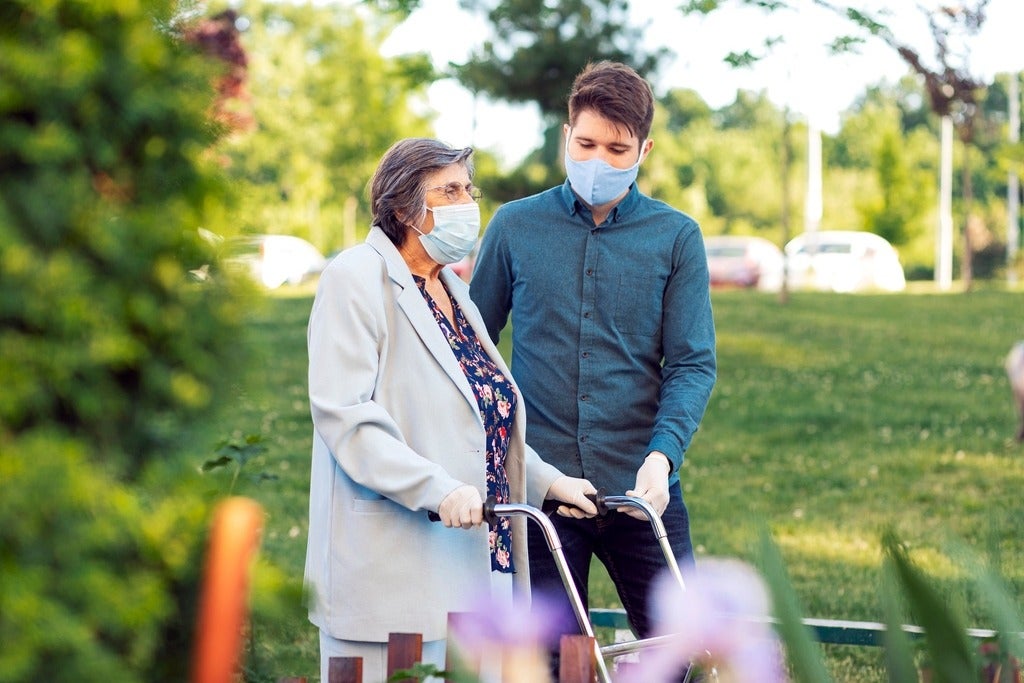
Researchers are working with community leaders to develop a mobile alert app to help locate missing people with dementia.

Noelannah Neubauer, a postdoctoral fellow at the University of Waterloo’s School of Public Health Sciences, said “Community ASAP” is aimed at addressing a gap in available tools when it comes to alerts for missing older adults and people living with dementia in Canada.
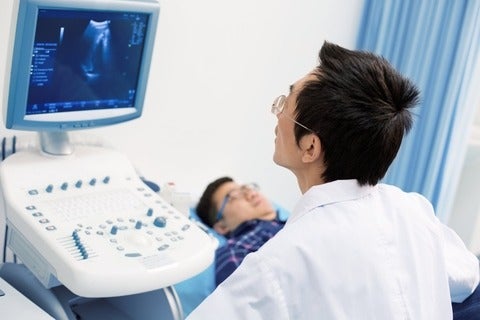

Researchers are bringing the use of acoustic waves to target and destroy cancerous tumours closer to reality.

While doctors have used low-intensity ultrasound as a medical imaging tool since the 1950s, experts at the University of Waterloo are using and extending models that helpcapture how high-intensity focused ultrasound (HIFU) can work on a cellular level.

Monday, August 23, 2021

Understanding surveillance and privacy from multiple perspectives

by Kaitlin O'Brien, Faculty of Arts

It’s no secret that our everyday technologies gather personal data. But these increasingly entrenched conveniences, from Internet of Things-enabled Smart TVs to online voting systems to crowdfunding platforms, can also perform harmful surveillance.

Knowing how tools track user behaviour and collect personal information is important. Understanding their implications for social inequality within Canada and globally is perhaps even more pressing. What’s more, the challenge demands multiple areas of expertise.

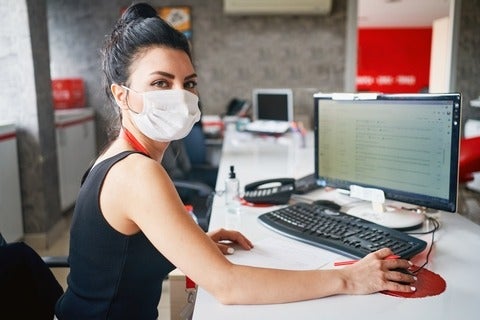
A new study is highlighting a need for widespread use of better face masks and the importance of good ventilation to mitigate the spread of COVID-19 indoors.

Engineering researchers at the University of Waterloo performed experiments using a mannequin to simulate a seated person breathing in a large room. The studies showed a significant buildup over time of aerosol droplets – exhaled droplets so tiny they remain suspended and travel through the air – despite the use of common cloth and blue surgical masks.

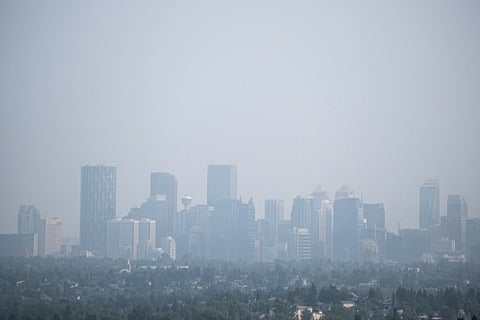
The most harmful air pollutant worldwide is fine particular matter. In Canada, the biggest natural source of this pollutant is wildfires. Winds can spread wildfire smoke over a wide area, affecting areas hundreds of kilometres downwind. Professor Rebecca Saari, who studies the consequences of climate change and climate policy on human health and environmental inequality, examines what causes these wildfires and the long-term effect on society.

Wednesday, August 11, 2021

Q and A with the experts: COVID learning setback

by Media Relations

Parents, students and decision-makers are dealing with more challenges as we move closer to another pandemic school year. The Organisation for Economic Co-operation and Development characterized COVID-19 school closures as the “greatest disruption in educational opportunity worldwide in a generation,” affecting 90 per cent of the world’s student population.

Thursday, August 5, 2021

Q and A with the experts: Optimizing your retirement savings

by Media Relations

Increasing uncertainties in market returns, government benefits and the rise in the cost of living is a growing concern for many who fear they may outlive their retirement savings. Professor Ken Vetzal of the School of Accounting and Finance explains how pension holders can manage their investments to improve the odds that their retirement savings will last.

Why is there a growing concern that retirement savings may not last the life of a retiree?

There are several reasons: