Research

Researchers have discovered a new and more efficient computing method for pairing the reliability of a classical computer with the strength of a quantum system.

This new computing method opens the door to different algorithms and experiments that bring quantum researchers closer to near-term applications and discoveries of the technology.

A non-contact laser imaging system could help doctors diagnose and treat eye diseases that cause blindness much earlier than is now possible.

The new technology, developed by engineering researchers at the University of Waterloo, is designed to detect telltale signs of major blinding diseases in retinal blood and tissue that typically go unseen until it is too late.

Monday, June 14, 2021

Prestigious Governor General’s Gold Medal awarded to two Waterloo students

by Melanie Scott, University Relations

The Governor General Gold Medal, one of the highest honours in academia, will be awarded to two exceptional University of Waterloo graduate students. Tejinder Singh, who graduated last fall from the Faculty of Engineering, will receive the award for highest standing in a doctoral program. Sara Leanne Wyngaarden, who is graduating this spring with an MSc in Health and Health Systems, will receive the award for highest standing in a master’s program. Awards like this allow our community to celebrate the impactful research and scholarly excellence of outstanding students.

Thursday, June 10, 2021

Turning research into commerce

by Brian Caldwell, Faculty of Engineering

An alumnus of Waterloo Engineering who parlayed his graduate research into a startup company that is out to solve worldwide water problems has been recognized by a national innovation organization.

Jason Deglint, a co-founder of Blue Lion Labs, is one of five winners of a Mitacs Entrepreneur Award for turning research into businesses that impact the lives of Canadians.

People who are more prone to boredom and who are socially conservative are more likely to break public-health rules, according to new psychology research.

While previous research demonstrated a connection between being highly prone to boredom and breaking social-distancing rules, this study demonstrated the association was more prominent as participants’ social conservatism increased.

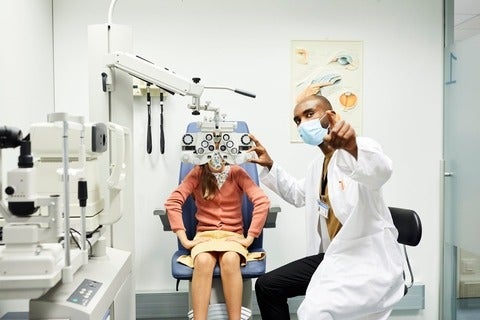
Since the pandemic began, access to eye care has continued to change. With high case counts in Ontario, the fear of contracting COVID-19 is still very real, and some patients are understandably hesitant to leave their homes for routine appointments. But, neglecting eye care can seriously put your overall health at risk, especially with work from home orders increasing screen time for most.

Carbon loss in Canadian peatland is projected to increase by 103 per cent under a high emission scenario, according to new research led by scientists from the University of Waterloo.

The results of the study, which was published today in Nature’s Communications Earth & Environment journal, reinforces the urgent need for a comprehensive understanding of peatlands as evolving sources of atmospheric CO2 in a warming world.

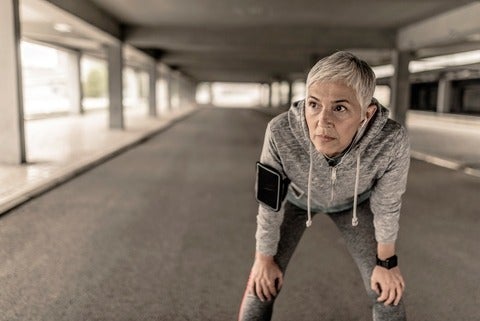
What options do cancer survivors have during a pandemic when there are limited in-person training options and reduced access to exercise facilities? With National Cancer Survivors Day on June 6, Marina Mourtzakis, a Kinesiology professor who leads Waterloo’s Centre for Community, Clinical and Applied Research Excellence, examines how to exercise safely as a cancer survivor during or after treatment.

Should cancer survivors be exercising during or after their treatments?

Labels for the virus and its variants have incited xenophobia and other harms throughout the pandemic. Psychology professor Hilary Bergsieker, the lead author of an upcoming new study on the issue, offers insights into preventing this naming-and-blaming problem.

How did public discourse during the early days of the pandemic lead to expressions of hostility, xenophobia, and stigma?