Research

Tuesday, February 9, 2021

PhD student uses DNA sequencing to study cyanobacteria

by Allie Dusome, Water Institute

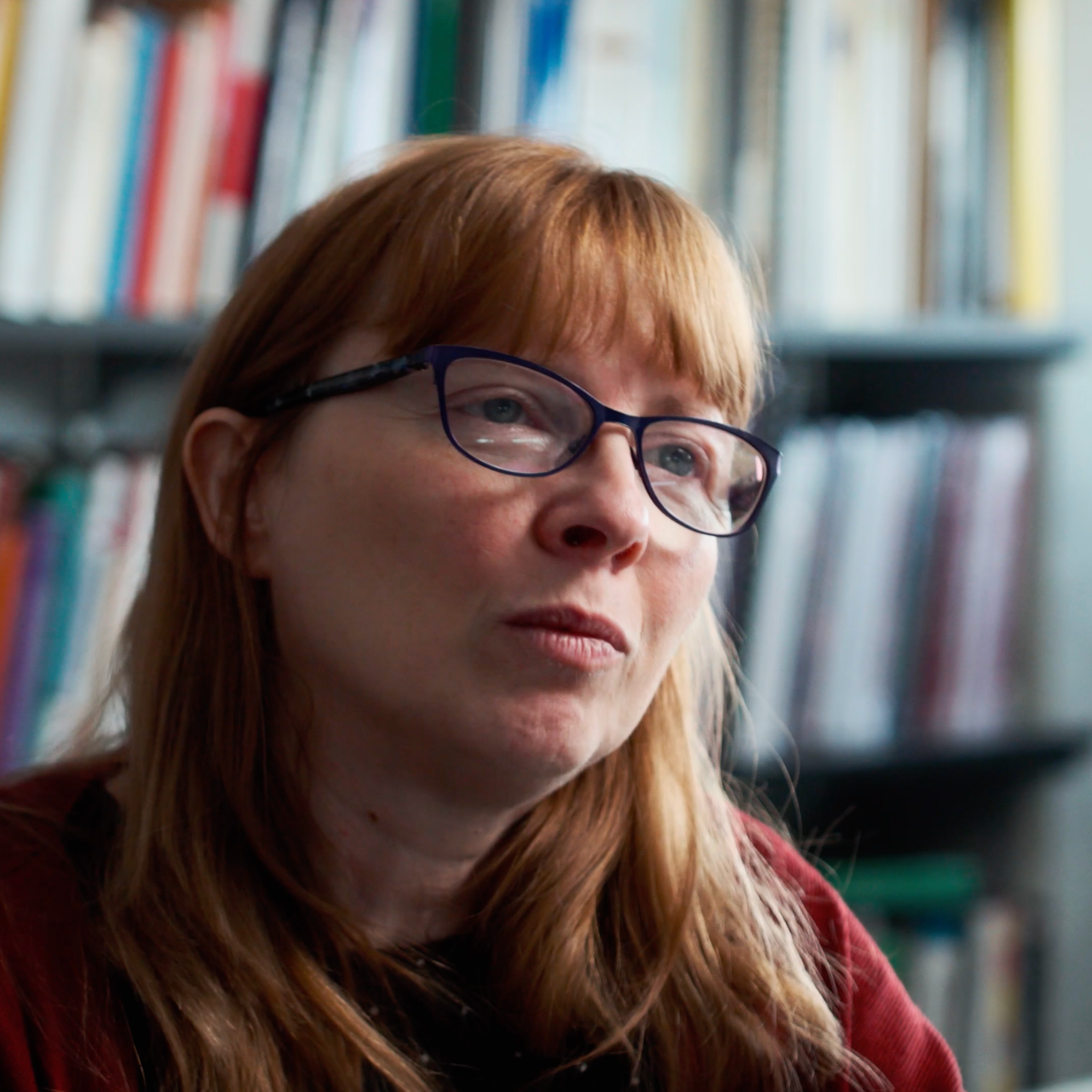
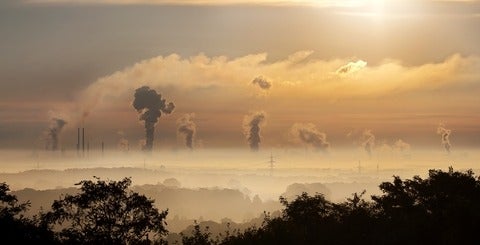
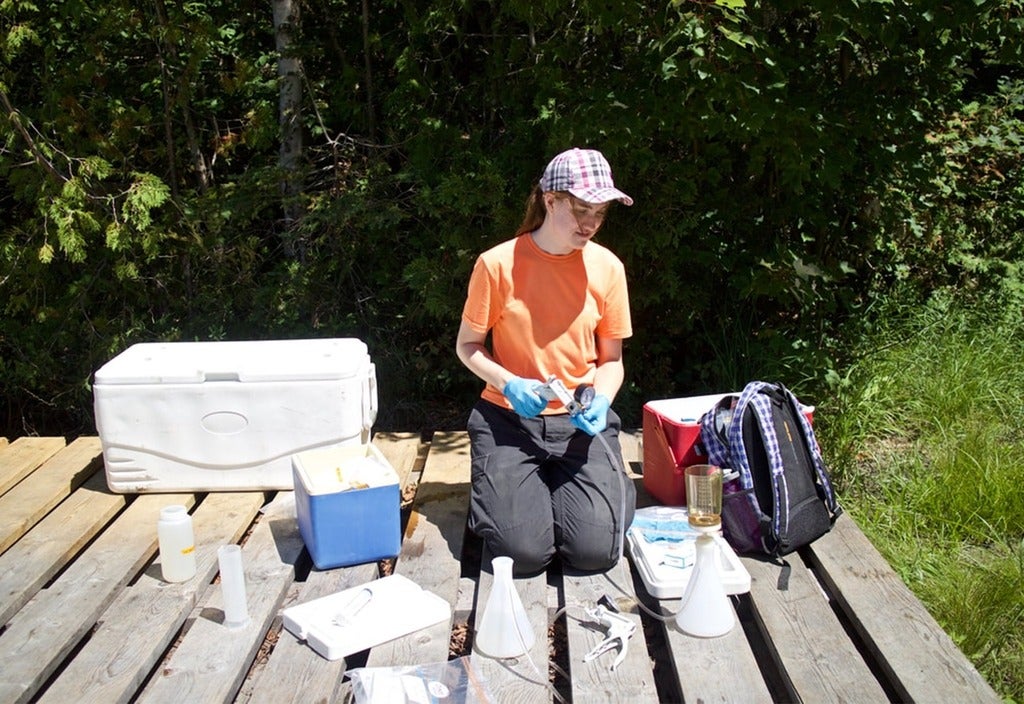
Cyanobacteria blooms are a major environmental issue worldwide. They can have direct impacts on the safety of drinking water supplies by producing a variety of toxins which also impose health risks for swimmers and boaters. Although many may associate cyanobacteria with bright green algae seen on the surface of lakes, Ellen Cameron, PhD Candidate in Waterloo’s Biology Department, is using DNA sequencing to study cyanobacteria communities in low-nutrient, clear lakes in Northern Ontario.
Monday, February 8, 2021

Finding ways to stay connected and protected

by Wendy Philpott, Faculty of Arts

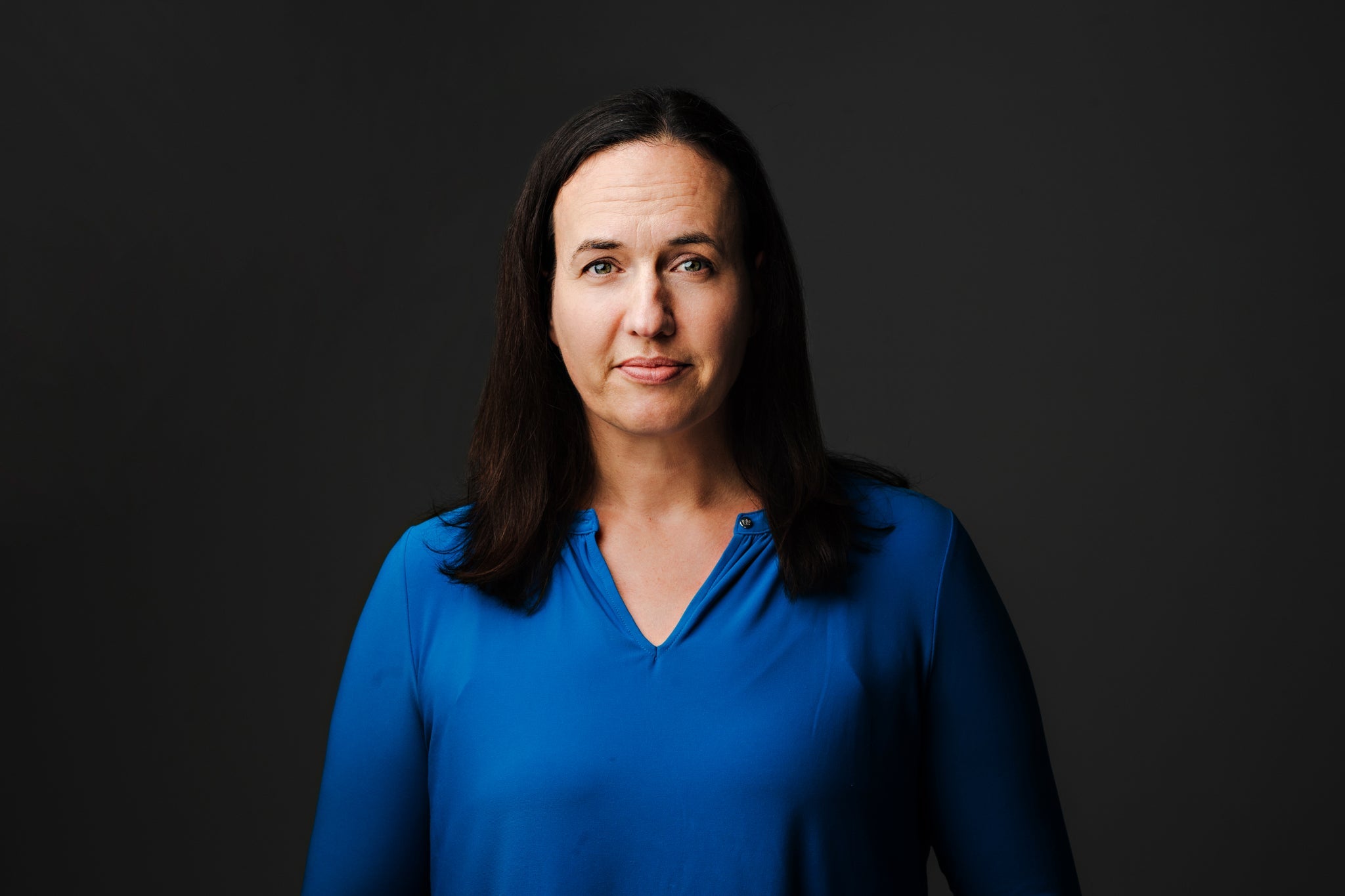
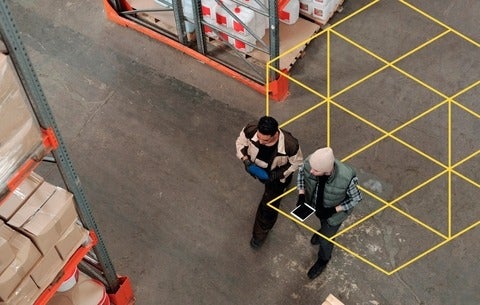
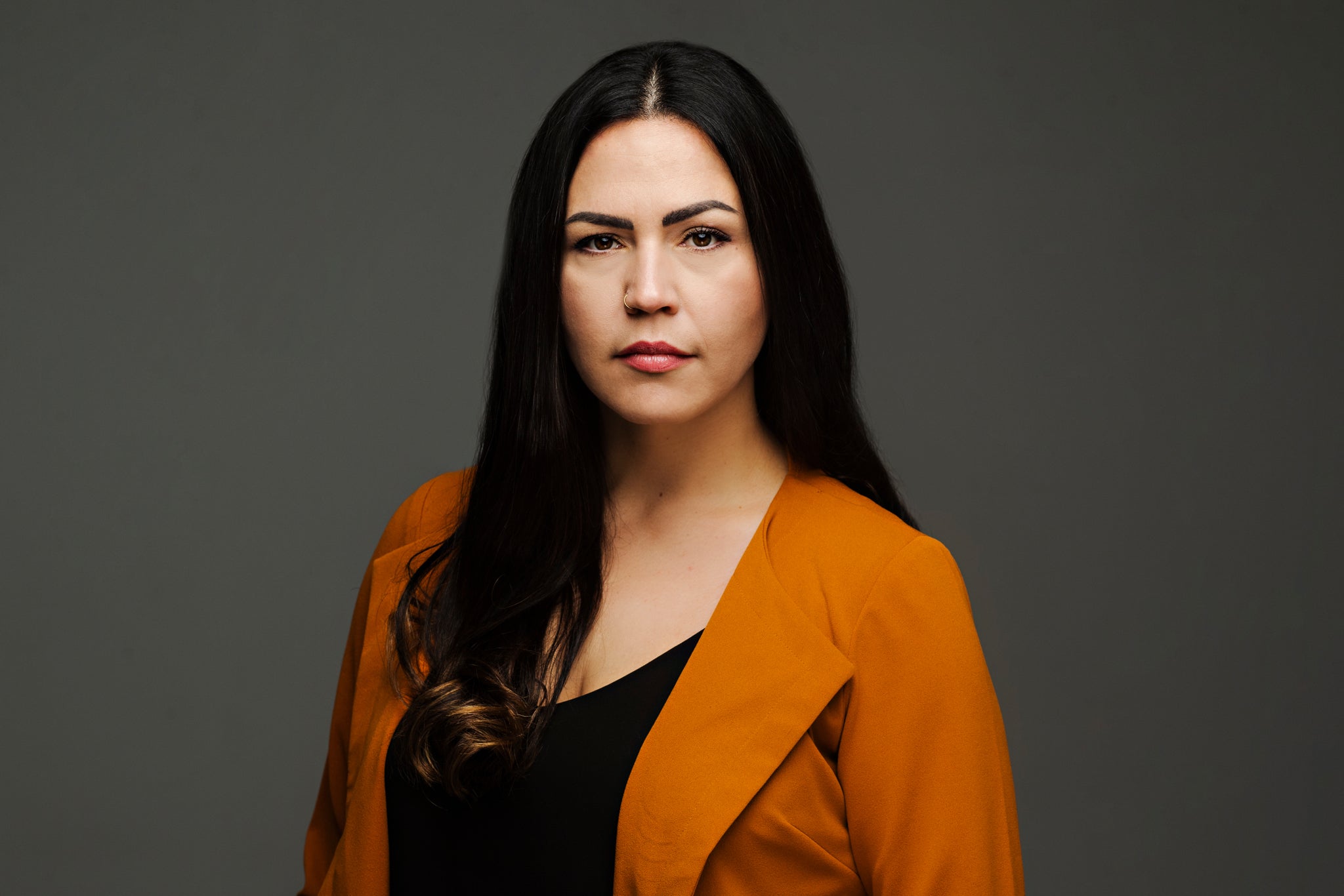
As the pandemic drove people online to work, study and connect with loved ones, Leah Zhang-Kennedy doubled down on her commitment to making digital spaces safer for everyone.

Leah Zhang-Kennedy

Leah Zhang-Kennedy
Professor, Faculty of Arts
> Stratford School of Interaction Design and Business
> Waterloo Cybersecurity and Privacy Institute

Monday, February 8, 2021

Our options for saving the Earth are becoming riskier

by Sam Toman , Faculty of Environment

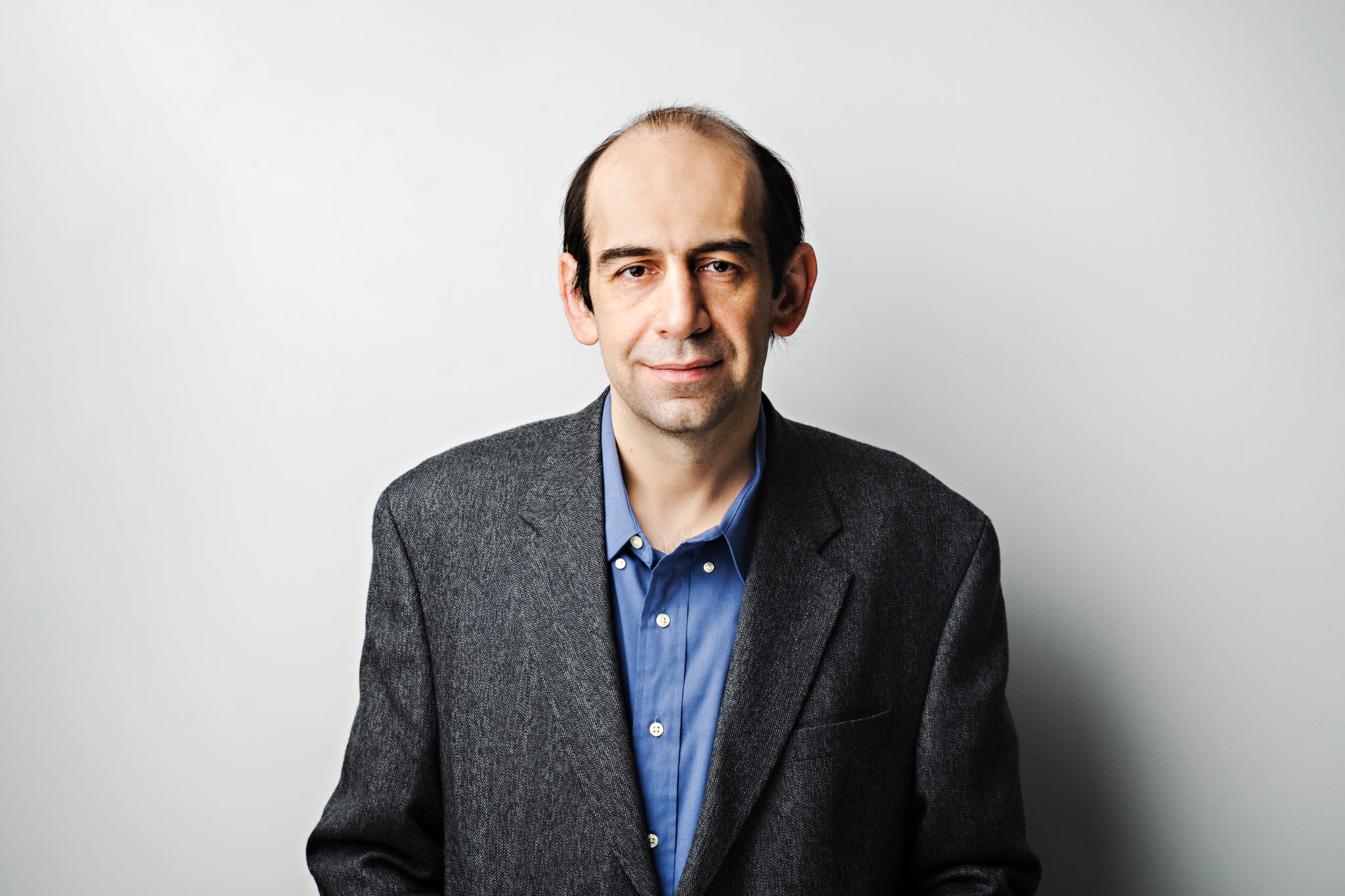
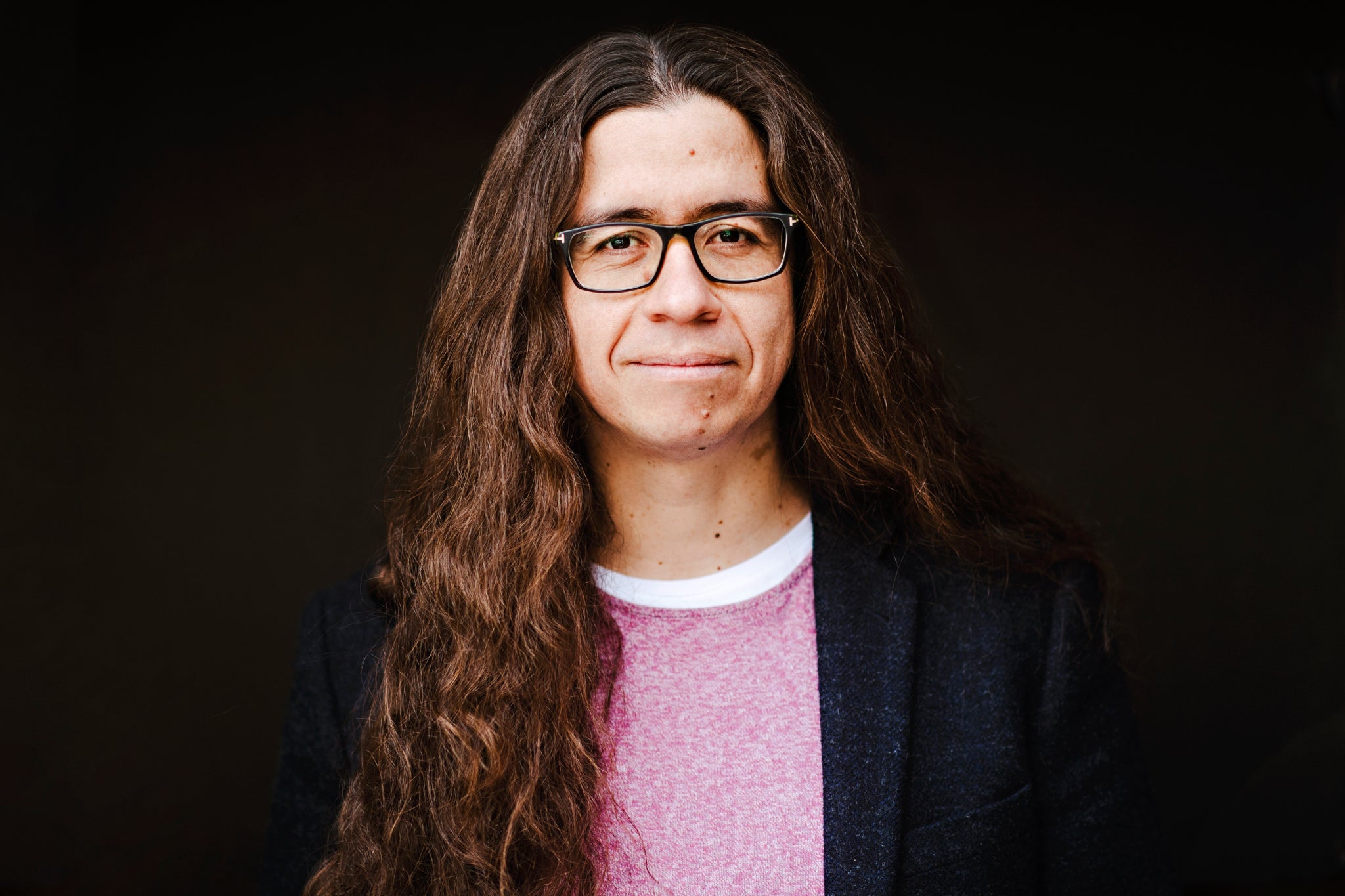
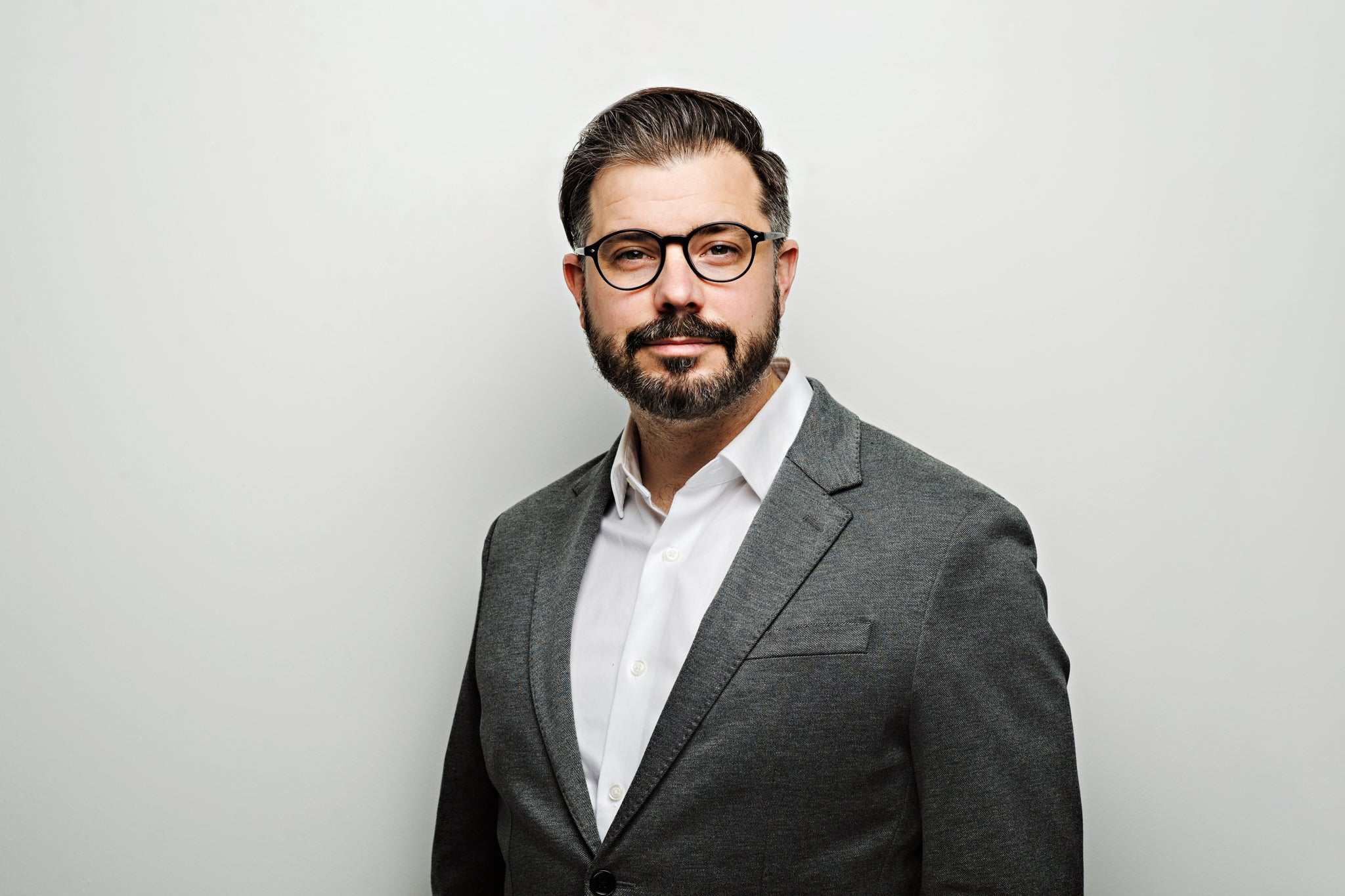
With everything else going on, it’s easy to forget the climate crisis. Juan Moreno-Cruz, a researcher in the Faculty of Environment and a Canada Research Chair in Energy Transitions, has a not-so-gentle reminder.  

Juan Moreno-Cruz

Juan Moreno-Cruz
Professor, Faculty of Environment 
> Canada Research Chair in Energy Transitions
> University of California, San Diego research collaboration

Monday, February 8, 2021

After the flood: 49 reasons your community may be more vulnerable

by Heather Bean, University Relations

When a flood hits a Canadian community and rising waters wash out roads, governments at all levels respond with heroic evacuations of vulnerable residents and emergency food and shelter.  

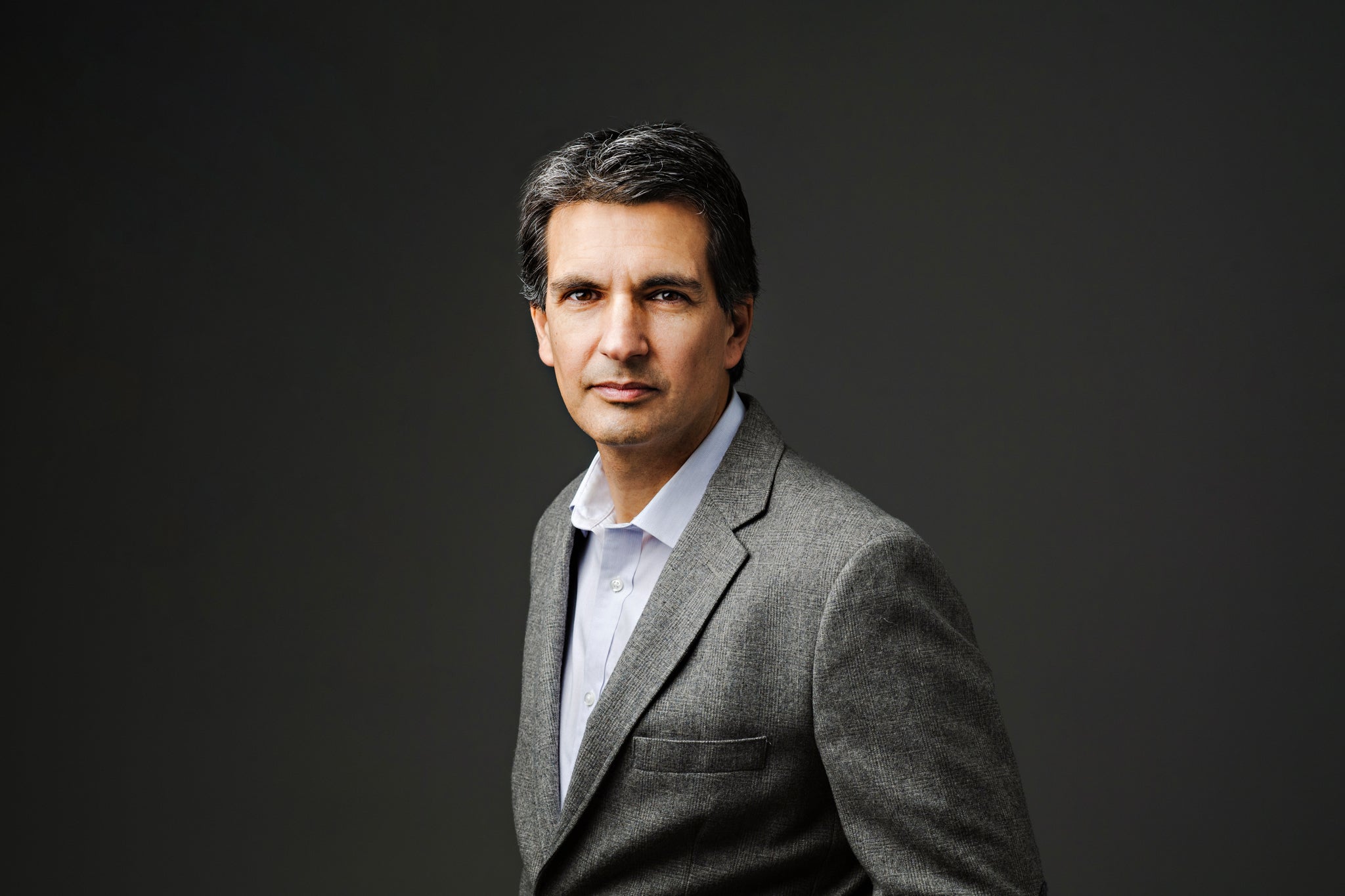
Jason Thistlethwaite

Jason Thistlethwaite
Professor, Faculty of Environment 
> JBA Risk Management
> Climate Risk Research Group (CRRG)