Q and A with the experts: a refresher on spotting fake news online
How do you spot fake news stories online?
You always need to consider the source.
How do you spot fake news stories online?
You always need to consider the source.
Five engineering students at the University of Waterloo helped build an online dashboard that tracks and synthesizes COVID-19 antibody studies from around the world.
SeroTracker visualizes antibody test results on a map to show how many people in a given area might have been exposed to the novel coronavirus, which is technically known as SARS-CoV-2.
That information could help inform strategies for reopening economies because positive antibody tests may indicate immunity.
Patricia Nieva and William Melek, University of Waterloo mechanical and mechatronics engineering professors, are partnering with Facedrive Health, a Toronto-based company, to incorporate the new algorithms they’re developing into a smart phone contact tracing app called TraceSCAN.
We are now trained to believe that being smart is to stay home, being socially connected is better online, and going to school is no more than rolling to the other side of the bed and turning on your computer, pyjamas optional.
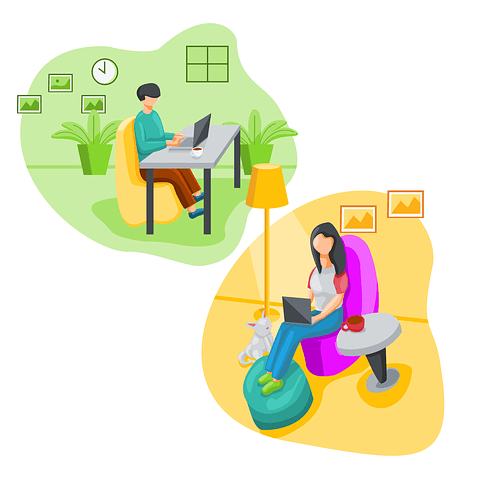
Ellen MacEachen is a founder of the Centre for Research on Work Disability Policy and an expert in how work adapts to fast-changing economic, social, and technological environments. Professor MacEachen answers our questions here.
What does working from home mean for those with disabilities? Does it make working easier?
The disruptive impacts of the COVID-19 pandemic have shown there is a need to make global supply chains more resilient, according to an expert panel.
The panel, part of Waterloo’s GEDI Post-COVID-19 Reboot Panel Series, was made up of subject matter experts from the University of Waterloo and a supply chain manager from Amazon Canada. They agreed that COVID-19 had exposed some significant vulnerabilities in global supply chains that should be addressed to insulate economies from possible future disruptions.
What should you do if you have a payment due soon and you’re not sure if you’ll be able to pay it?
In a new study, researchers from the University of Waterloo examined computer simulations to develop a new method of analyzing interactions on social media that can predict when a disease outbreak is likely.
The method predicts the tipping point beyond which a series of small incidents, like people espousing anti-vaccine views, become significant enough to cause a larger more important change – like an outbreak of measles.
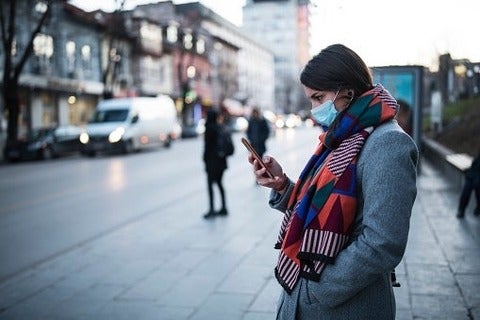
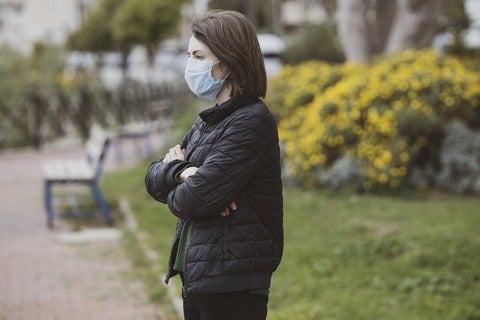
The study, conducted by the Brain and Body Lab at the University of Waterloo, is asking people of different age groups how vulnerable they believe they are to COVID-19. It will look at what behaviours people are acting on to mitigate the risk of getting the virus – like wearing a mask or not – and how they perceive other age groups to be behaving.
How do people find meaning in times of great upheaval?
Well, everyone’s different. Some people break down, overwhelmed with fear and the chaotic disruption. Big-hearted others do whatever they can to help those in need. Creative ones sing balcony songs and invent new podcasts etc... I saw a comedian on TV say that everyone should come out of this COVID crisis with one new specific skill, and I thought that was a very healthy response.