Research

A new study has found that allowing cities and counties to open and close independently based on standardized guidelines is the quickest and safest way of restoring the Canadian economy. 

The study found that opening workplaces and schools on a county-by-county basis when the county falls below 4.5 active COVID-19 cases per 100,000 would result in 38 per cent fewer person-days of closure.

Tuesday, May 19, 2020

Preserving our digital history

by Kaitlin O'Brien, Faculty of Arts

The internet’s cultural record has been growing at an unprecedented rate, accumulating hundreds of billions of webpages. Unless we have a way to retrieve those pages, that history could be lost. Enter Ian Milligan, a professor in the Department of History and an advocate of web archiving. He is exploring petabytes of cultural heritage data and making it accessible to the public.

“Data is rapidly becoming the building blocks of our histories — more specifically the histories of the 1990s and 2000s. We need to establish ways to work with that information,” Milligan says.

Other than the physical benefits of moving your body, what else is taking place when you walk in your neighbourhood?

When people walk their neighbourhoods, they may be doing so simply to escape the confines of their homes, but the activity of walking puts them into social contact with their neighbours. This face-to-face interaction, from a safe physical distance, is crucial to feeling secure and connected to others, especially right now. 

A new, multi-national study will examine whether social connectedness and compassion can help people cope better with the emotional stress of the COVID-19 pandemic.

The study is being conducted by researchers in 18 countries around the world and involves participants being asked to fill out a 30-minute online survey immediately, three months from now, and again six months from now.

Wednesday, May 13, 2020

Long-term care and our loved ones

by Angelica Sanchez, University Relations

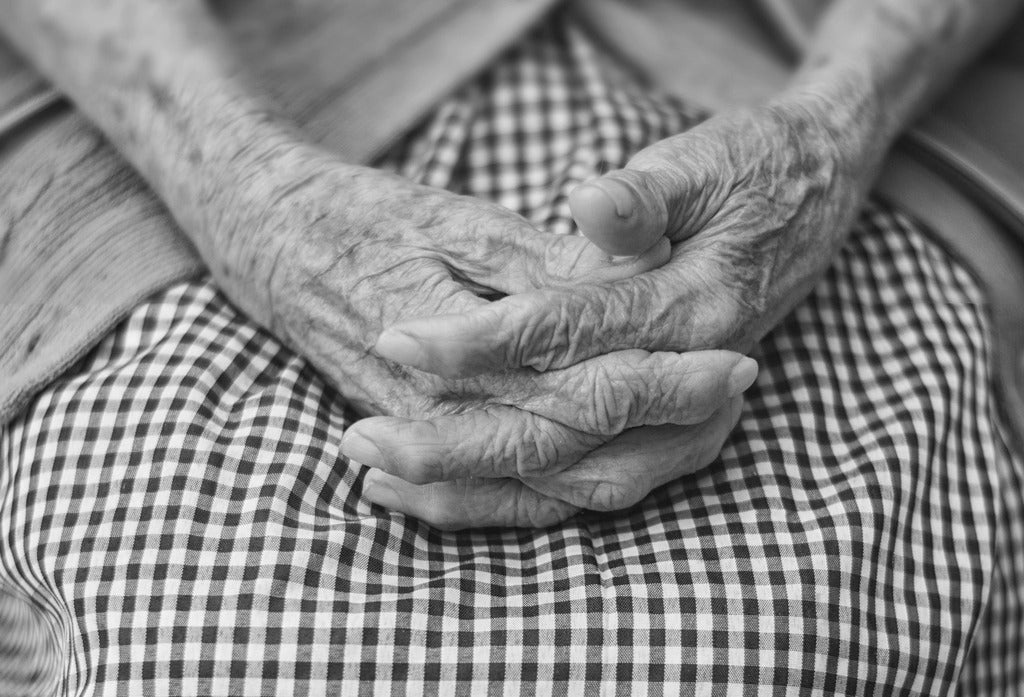
Recent public health data shows that people over the age of 60 make up 93 per cent of deaths in Canada related to COVID-19. Half of the COVID-19 deaths have happened in retirement and nursing homes, which continue to be hit the hardest by COVID-19 cases. Many in our community may feel like there’s nothing that can be done to help our parents and grandparents deal with the pandemic.