Research

Why use Canada’s tax system as a crisis recovery strategy?

Two reasons. One, because we always have. Look to past recessions – or the very first income tax in Canada, introduced in 1917 during World War I. We turned to taxes in those uncertain times for our economic needs, we're doing it here, and we'll do it again in future crises.
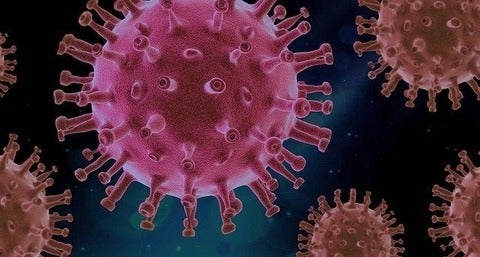
Some jurisdictions have begun using cell phone data to track the spread of COVID-19. How does this work? What are the privacy concerns around using personal data for this purpose?

We asked Professor Florian Kerschbaum, Director of the Cybersecurity and Privacy Institute, to help us understand this complex issue.

How can cell phones be used to track the spread of COVID-19?

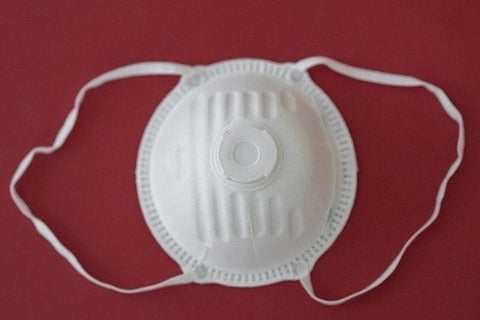
Healthcare workers on the front lines of the COVID-19 pandemic could reuse personal protective equipment (PPE) up to five times, if necessary, using a two-step disinfection method.

The simple system, proposed by researchers in Canada and New Zealand in a study that has not yet been peer reviewed, combines storage for at least four days and treatment with either ultraviolet (UV) light, dry heat or chemicals to kill coronavirus.

The system can be used on masks, gowns and other kinds of PPE now in short supply around the world.

Thursday, April 9, 2020

Bridging local efforts for global supports

by Natalie Quinlan, University Relations

COVID-19 has introduced strains to health systems around the world that modern society has never seen before. The outcomes have resulted in an uphill battle for many communities working to mobilize health-care workers and managing dwindling supplies of resources.

Wednesday, April 8, 2020

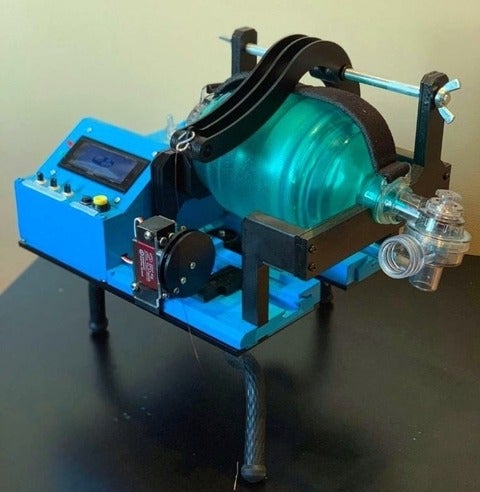
Students build ventilator that could be used for COVID-19 response

by Brian Caldwell, Faculty of Engineering

It began as a few words on a sticky note while a team of engineering students at the University of Waterloo brainstormed ideas for their fourth-year design project.

Now, little more than six months later, the students have a working prototype of a portable, low-cost ventilator they hope could soon help save lives on the front lines of the COVID-19 crisis.

“It’s a total fluke, but our project couldn’t be any more relevant than it is today,” says Connor Simmons, one of four team members from the mechatronics and mechanical engineering programs.