Research

Monday, March 11, 2019

Computer kidney could provide safer tests for new medications

by Media Relations

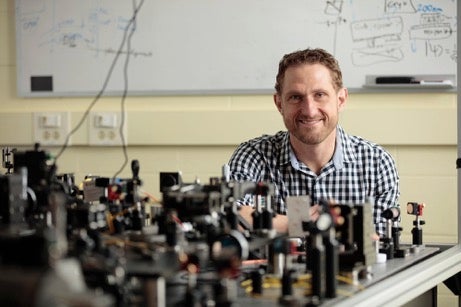
A University of Waterloo researcher has spearheaded the development of the first computational model of the human kidney.

The new model will allow scientists to gain better insights into how new drugs that target the kidney, such as diabetes medication, may work. It will also enable researchers to better learn about the functions of the kidney, including the how the organ regulates the body's salt, potassium, acid content without having to employ invasive procedure on a patient.
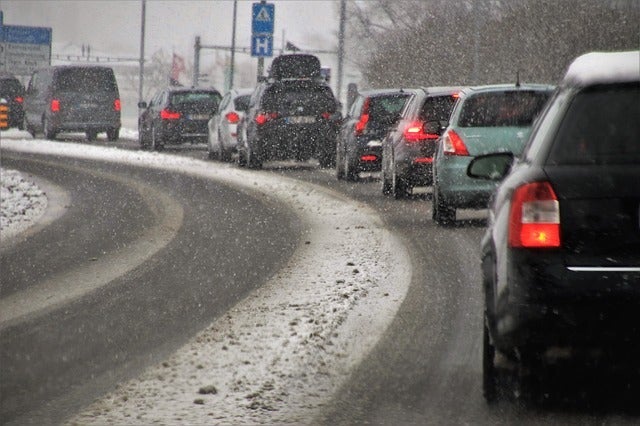
Cities could ease congestion and improve safety during snowstorms by tweaking the timing of traffic lights to take road conditions into account.

Researchers at the University of Waterloo collected data and ran computer simulations to determine that adjusting the signals at intersections in bad weather could reduce delays by up to 20 per cent.


Cars driving in snowy weather.

Friday, March 1, 2019

Building robots with a humanitarian mission

by Stephanie Longeway, University Relations
Richard Yim

Richard Yim
Alumnus, Faculty of Engineering (BASc '16, MBET '17)
> Conrad School of Entrepreneurship and Business
> Greenhouse at St. Paul's University College
> Velocity Garage
> Kindred Credit Union Centre for Peace Advancement

Friday, March 1, 2019

Beyond the hype: The future of blockchain

by University Relations

Originally built as a way to secure cryptocurrency transactions, blockchain is a digital platform that verifies and records exchanges. Blockchains are global networks that can have millions of users, each adding information/data which is secured through cryptography. This creates an indisputable history of these transactions that cannot be modified by a single user, eliminating opportunities for fraud, and it is this feature that has some heralding blockchain as a way of increasing cybersecurity.