Research

Monday, July 9, 2018

Many wildlife-vehicle collisions preventable

by Sam Toman, Faculty of Environment

A new study from the University of Waterloo has found that Ontario could save millions by implementing simple measures to help prevent vehicle accidents involving wildlife.

The Waterloo study focused on Ontario and concluded that many of the thousands of wildlife-vehicle collisions — some fatal — occurring each year could be prevented if authorities implemented a few cost-effective strategies to minimize the occurrences.

Monday, July 9, 2018

Motivating gamers with personalized game design

by Media Relations

A team of multidisciplinary researchers at the University of Waterloo has identified three basic video game player traits that will help to make game design more personalized and more effectively motivate gamers in both entertainment and work applications.

Friday, July 6, 2018

Radar and AI could produce a prick-free glucose monitor

by Brian Caldwell, Faculty of Engineering

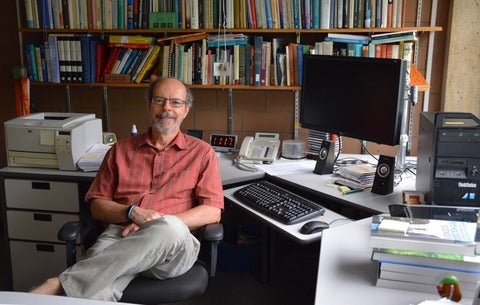
Researchers at Waterloo Engineering are developing new technology that would free people with diabetes from painful finger pricks to monitor their blood sugar.

A team led by professor George Shaker has combined radar and artificial intelligence (AI) to detect changes in glucose levels without the need to draw blood several times a day.

Thursday, July 5, 2018

Researchers aim to free diabetics from painful finger pricks

by Brian Caldwell, Faculty of Engineering

Researchers at the University of Waterloo are developing new technology that would free people with diabetes from painful finger pricks to monitor their blood sugar.

A team led by engineering professor George Shaker has combined radar and artificial intelligence (AI) to detect changes in glucose levels without the need to draw blood several times a day.

People with diabetes could be able to monitor their blood sugar without drawing blood using a system now being developed at the University of Waterloo.

In a recent study, researchers combined radar and artificial intelligence (AI) technologies to detect changes in glucose levels without the need for painful finger pricks several times a day.

Tuesday, June 26, 2018

Majority of teenagers need food safety education

by Media Relations

A new study from the University of Waterloo highlights a low level of awareness among youth around the proper precautions they need to take when it comes to handling food.

The study measured 32 different food-handling behaviours among Ontario high school students in grades 10 to 12. It found that fewer than 50 per cent of the recommended practices were followed by students, including basic hand hygiene and procedures to prevent cross-contamination.

Thursday, June 21, 2018

New silicon breakthrough accomplishes the ‘impossible’

by Brian Caldwell, Faculty of Engineering

Selvakumar standing in on DC stairs on second floor
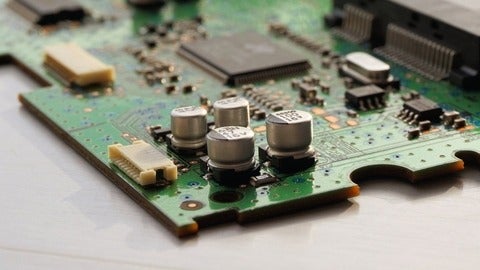
Researchers using powerful supercomputers and nanotechnology have discovered a way to generate microwaves with inexpensive silicon, a breakthrough that could dramatically cut costs and improve devices such as sensors in self-driving vehicles.