Research

Monday, January 20, 2025

Coding for a greener internet

by Media Relations

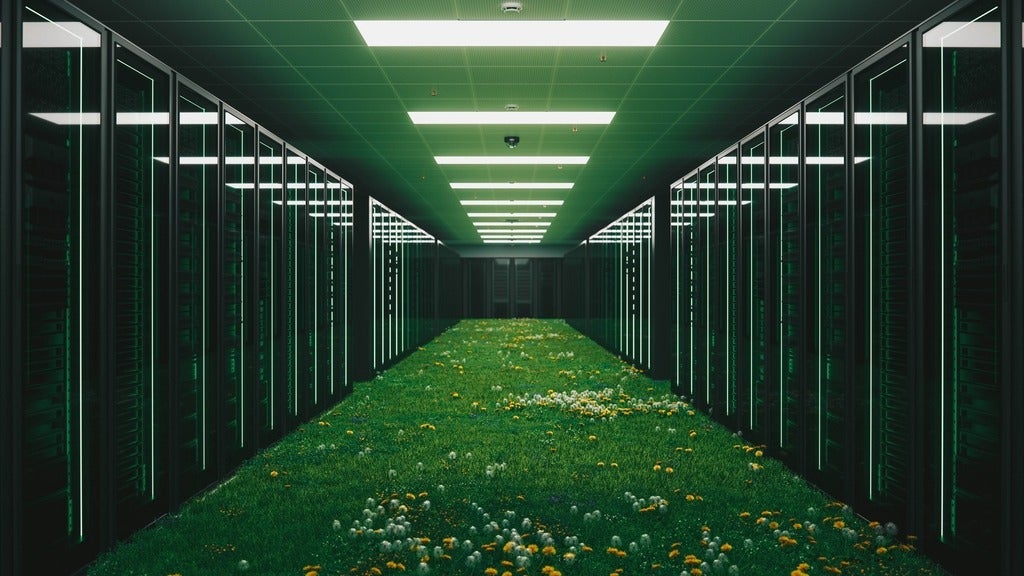
Researchers from the University of Waterloo have found a way to reduce the energy use of some data centres by as much as 30 per cent.

Computing accounts for as much as 5 per cent of the world’s total energy use every day, and that type of energy consumption is expected to significantly increase as computing power is needed to meet the exponential growth of artificial intelligence. Nearly all web traffic is routed through data centres, the majority of which use the open-source operating system Linux.

Wednesday, January 15, 2025

From co-op to world-class research expert

by Darren McAlmont, University Relations

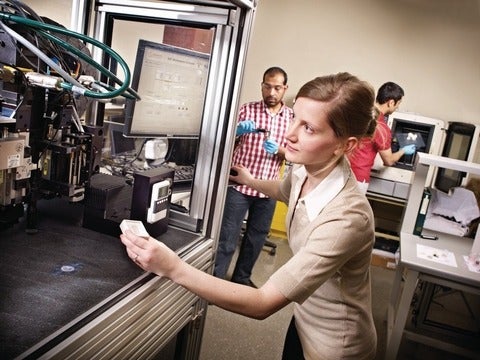
When Dr. Mihaela Vlasea’s (BASc ’08, PhD ’14) high school teacher encouraged her to apply to Waterloo’s inaugural mechatronics program, she didn’t imagine that less than 20 years later, she’d be a renowned expert in additive manufacturing (3D printing). 

“I didn't really know what mechatronics was, and there was nothing to base my enthusiasm around at that time,” she says, “but I was really intrigued that Waterloo had put this together because every time they put a new program together, it skyrockets into success.” 

Monday, January 13, 2025

Seven health-tech innovations we're following in 2025

by Jordan Flemming, University Relations

Global and individual health care is experiencing disruption through a variety of technologies. Building disruptive technologies is at the core of what we do, and since our inception, the University of Waterloo has also been disrupting the boundaries of health. In 2024, the University opened the doors of the Innovation Arena, a new collaboration space within the Health Sciences Campus in downtown Kitchener, to further streamline commercialization pathways for businesses, fast-track delivery of health technologies and drive Canada’s next wave of economic growth.

Wednesday, January 8, 2025

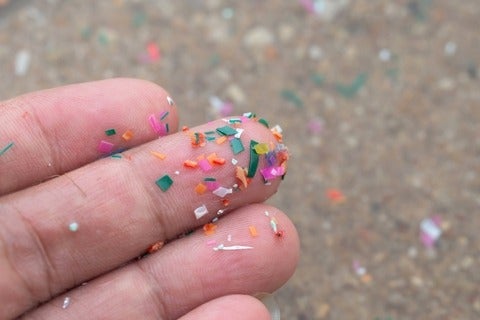
Removing microplastics with engineered bacteria

by Media Relations

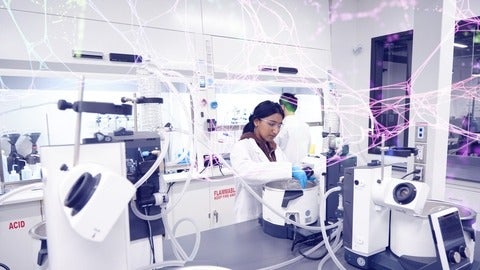
Microplastics can go right through wastewater treatment plants, and researchers have engineered bacteria commonly found in there to break down this pollution before it can persist in the environment.

Researchers from the University of Waterloo added DNA to several species of bacteria found in wastewater, allowing them to biodegrade polyethylene terephthalate (PET), a common plastic found in carpet, clothing and containers for food and beverages.

Thursday, December 19, 2024

Q & A with the Experts: All that glitter is not gold

by Media Relations

Glitter is all over. The ubiquitous sparkles are synonymous with glamour and celebration, but that shimmer comes at a significant cost. Dr. Christian Euler, a professor in the Department of Chemical Engineering at the University of Waterloo, uses microbes in his lab to create sustainable swaps for non-biodegradable materials. He says there’s more to glitter than meets the eye.

Thursday, December 19, 2024

O Christmas tree! Growing climate solutions for farmers

by Chantal Vallis, Faculty of Environment

Choosing a real Christmas tree is a cherished tradition in many families and a proven environmentally friendly choice. But like all agriculture sectors, Canadian Christmas tree farmers are facing the impacts of climate change on their growing operations.

Pests plague both the trees and farmers who work the land. Rising temperatures affect summer labour conditions, extreme storm events have triggered crop losses, and reduced snowfall in winter impacts families' experiences when selecting and bringing home their trees during the holiday season.

Wednesday, December 18, 2024

Our top 12 trending stories of 2024

by Jordan Flemming, University Relations

This past year, students, alumni, researchers and staff made significant strides in addressing global challenges and advancing technology. These top 12 stories of 2024 highlight some of Waterloo’s transformative work shaping the future.