Research

Wednesday, February 27, 2013

Saving the whales with mathematics

by Staff, Communications and Public Affairs

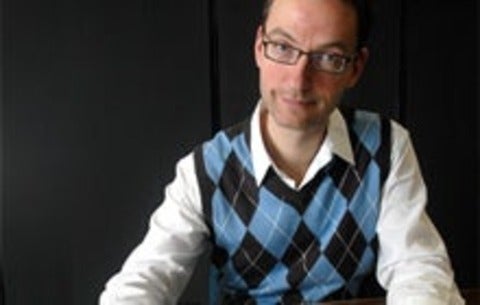
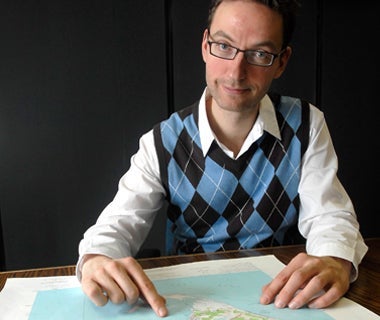
An applied math professor’s calculations of an ocean current in Cape Cod may help the highly endangered North Atlantic right whale to survive.

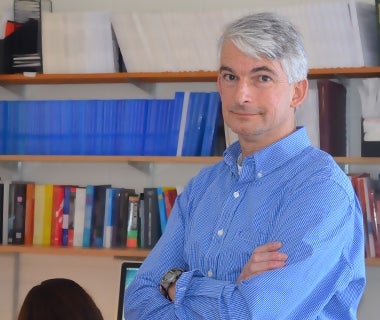
Francis Poulin, Professor of Applied Mathematics, University of Waterloo

WATERLOO, Ont. (Wednesday, Feb. 27, 2013) - A professor of quantum information science at the University of Waterloo’s Department of Physics and Astronomy and the Institute for Quantum Computing was selected to receive a prestigious E.W.R Steacie Memorial Fellowship from the Natural Sciences and Engineering Research Council of Canada (NSERC).

Wednesday, February 20, 2013

Rethinking Retirement

by Christine Bezruki, Faculty of Applied Health Sciences

The days of collecting your gold watch and retiring to cottage country are over, says Steven Mock, assistant professor in the Department of Recreation and Leisure Studies.

Retirement is changing, and researchers at the RBC Retirement Research Centre at the University of Waterloo are investigating how people can better prepare for the evolving post-career landscape.

Wednesday, February 20, 2013

Shopping the world for the best deal on taxes

by Dave Pink, Communications and Public Affairs

It shouldn’t come as any surprise that many of the world’s largest multinational corporations shop around from country to country for the best deal they can get on taxes.

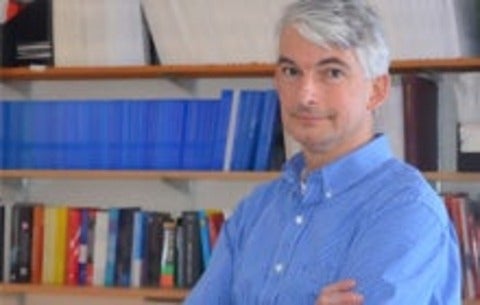
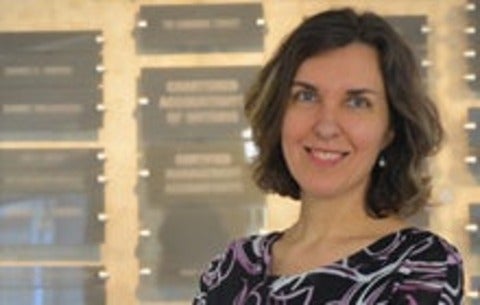
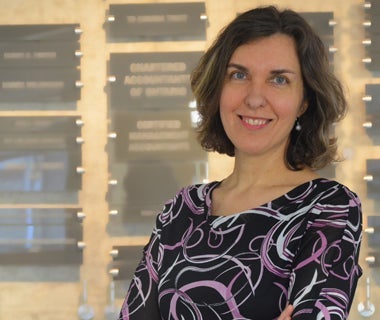
Professor Ken Klassen, School of Accounting and Finance, University of Waterloo

Thursday, February 14, 2013

Waterloo researcher discovers sustainable way to protect crops from drought and disease.

by By Beth Gallagher, Communications and Public Affairs

Bernard Glick and a team of researchers have discovered the mechanism in bacteria that help plants grow, even under stressful conditions like drought and disease.

The implications of this fundamental scientific discovery are huge:  crops that otherwise would have been wiped out can be saved; people who might have gone hungry have food.

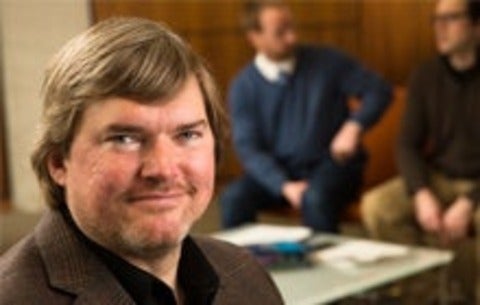
Professor Bernard Glick, Biology, University of Waterloo
Professor Bernard Glick, Biology, University of Waterloo​

WATERLOO, Ont. (Thursday, Feb. 14, 2013) - Researchers from the Institute for Quantum Computing at the University of Waterloo will present the latest research into quantum devices at the American Association for the Advancement of Science (AAAS) annual meeting in Boston this week.

Quantum sensors introduce unprecedented exploration and control of the nanoscale world. Uniquely harnessing the laws of quantum mechanics, quantum sensors have the potential to achieve the highest possible sensitivity, efficiency and selectivity allowed by nature.

WATERLOO, Ont. (Thursday, Feb. 14, 2013) With Valentine’s Day upon us, many married couples may wish marital bliss for their single friends, whereas singles might pity their coupled friends’ loss of freedom.

People like to believe that their relationship status — whether single or coupled — is the best for everyone, especially if they think that status is unlikely to change, according to a new study to be published in the journal Psychological Science.