Research

Tuesday, August 2, 2022

New diabetes monitor can detect glucose levels using breath

by Media Relations

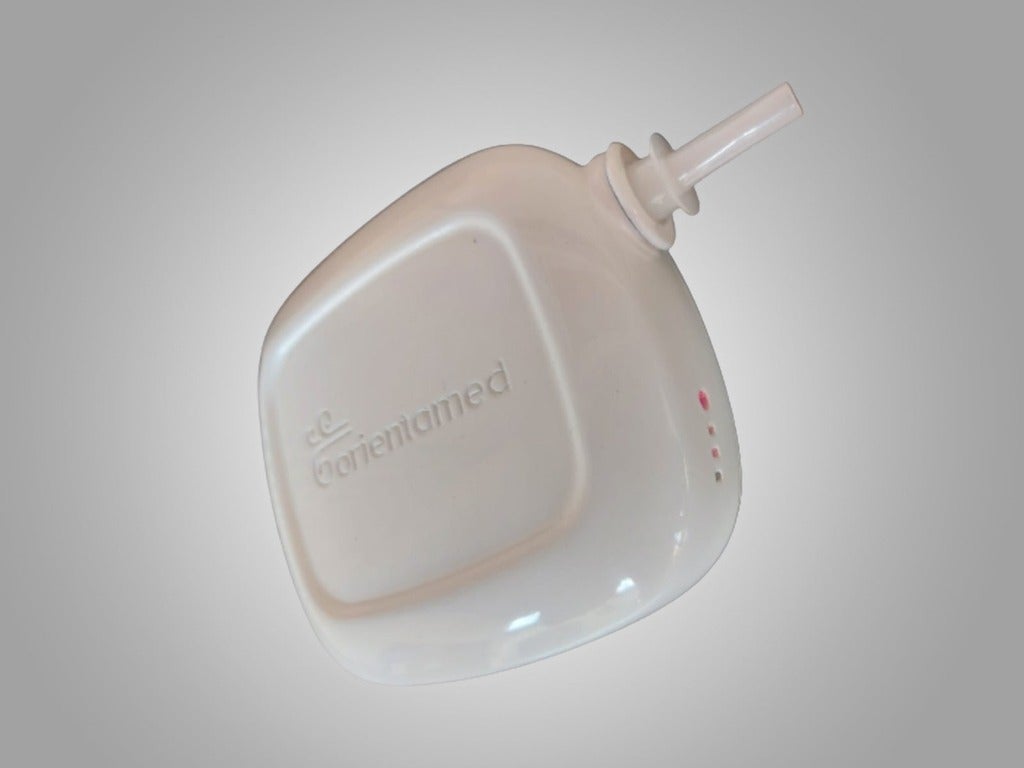
A next-generation diabetes monitor that analyses breath might soon mean no more needle pricks to check blood sugar levels.

The device uses gas sensors to measure breath instantly, then links via Bluetooth with a program on a mobile device to give a readout.

Distinct biomarkers in exhaled breath carry a subtle signature that the device picks up before the app uses a deep learning algorithm to produce rapid individual results.


Tuesday, July 26, 2022

IBET PhD Project to represent Waterloo in federal competition

by Office of Research

An innovative new program that provides financial support, mentorship and networking to Black and Indigenous PhD students has been chosen to represent the University of Waterloo in a federal competition for bold and potentially game-changing projects to address persistent systemic barriers in the research ecosystem and academia.

Thursday, July 21, 2022

Just 10 financial actors hold the key to climate change

by Media Relations

A new report has identified the 10 financial actors with the most influence on the fossil fuel economy and outlines the decisive role they can play in helping de-carbonize our future.

The study found that the top 10 most influential actors, including investment advisors, governments, and sovereign wealth funds from around the world, own 49.5 per cent of potential emissions from the world's largest energy firms.

Wednesday, July 20, 2022

The best and the brightest

by Rose Simone, University Relations

It’s all about reputation, which is all about quality. 

It was the reputation of the University of Waterloo’s computer science school that attracted Raouf Boutaba to a faculty position 23 years ago. Today, he is the director of the David R. Cheriton School of Computer Science, a school that punches far above its weight in international rankings and draws top students and faculty researchers from around the world. 

Tuesday, July 19, 2022

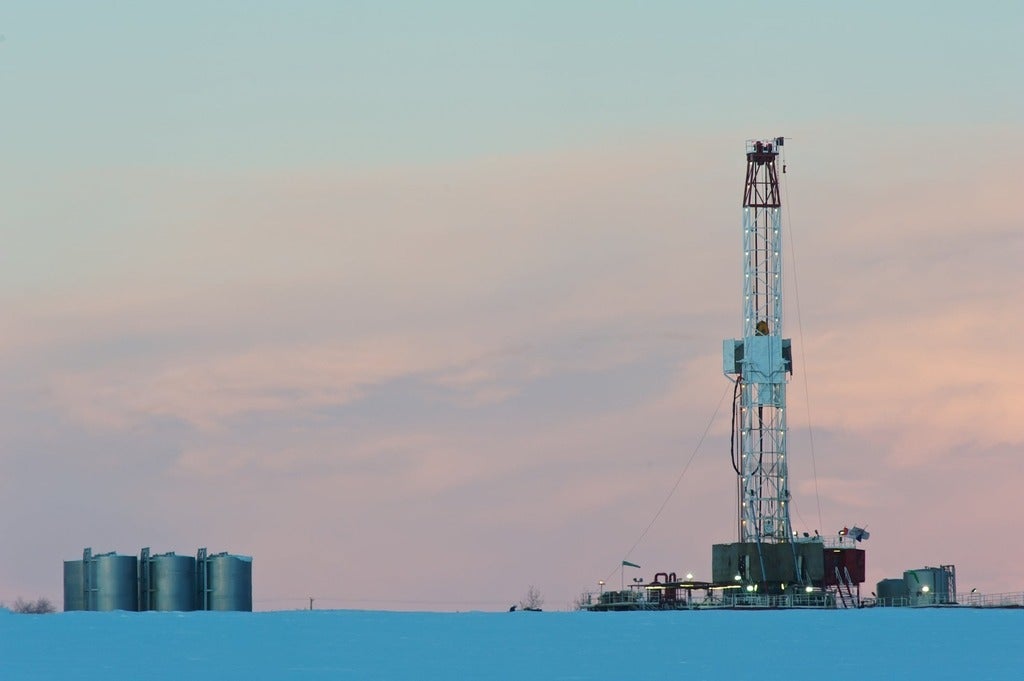
New map shows where fracking-induced earthquakes could hit in Canada

by Katharine Tuerke, Faculty of Science

Scientists from the University of Waterloo have developed a map showing which regions and population centres of Western Canada are likely to experience earthquakes induced by underground energy extraction.

Hydraulic fracturing is used to produce cracks in the rock formation to enhance energy extraction from geothermal and unconventional resources. This process is typically accompanied by seismicity, or induced earthquakes, because injection changes pore pressures and temperatures, facilitating slippage of fractures and faults.

Friday, July 15, 2022

Integrative teaching in high school

by Jude Okonkwo, Faculty of Environment

Humans throughout history have dreamed of reaching out and touching the stars. Thanks to a unique collaboration with the University of Waterloo, Students at Riverview Highschool in New Brunswick can do just that — with a little help from a ladder.

A new study led from the University of Waterloo discovered greenhouse gas production is significantly less when biobased residues like compost replaces widely used nitrogen fertilizer during spring freeze-thaw events in cold temperate regions.

“In cold temperate regions like Canada, spring freeze-thaw events contribute significantly to greenhouse gas production which further exacerbates climate change,” said study lead Emmanuel Badewa, a PhD student from Waterloo’s School of Environment, Resources and Sustainability (SERS).