Research

Tuesday, May 31, 2022

Waterloo and EDAC celebrate 50 years of partnership

by Jude Okonkwo, Faculty of Environment

The University of Waterloo and the Economic Developers Association of Canada (EDAC) are hosting their 50th anniversary banquet on June 2, 2022, to celebrate their partnership and accomplishments.

The University of Waterloo is welcoming 34 Ukrainian students whose studies were interrupted by the ongoing war in their country thanks to a cross-campus collaboration and generous support from the private sector.

In the past two weeks, the first 15 students arrived to study with Waterloo professors in an Academic Internship, with the others expected to be on campus within the next couple of weeks.

Tuesday, May 24, 2022

Painless patch for diabetes monitoring now being developed

by Media Relations

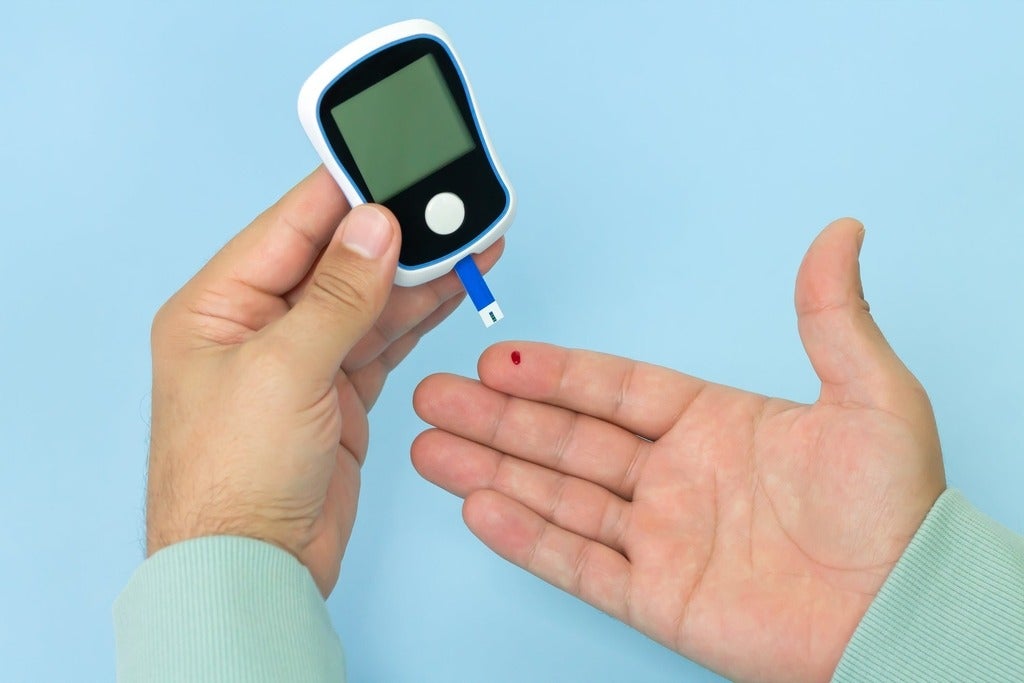
Researchers are developing a tiny, painless, wearable patch for people with type 1 diabetes which will send crucial readings to their smartphones.

The new project, funded by the JDRF (formerly known as the Juvenile Diabetes Research Foundation), involves the use of hundreds of tiny microneedles to sense glucose and ketone levels.

The research team is aiming to bring a product to market within the next few years to provide continuous, non-invasive monitoring to improve health and eliminate painful, inconvenient finger pricks.

Teaching the benefits of affirmative sexual consent while also validating anxieties people might experience about consent communication is an important step for improving sexual health and wellbeing, according to a new study.

Although schools teach about sexual consent, most individuals continue to practice passive consent through nonresistance, as opposed to a direct and a voluntary agreement to engage in sexual activity.

The new study aimed to understand people’s various perceptions of sexual consent communication in order to improve approaches to sexual education.

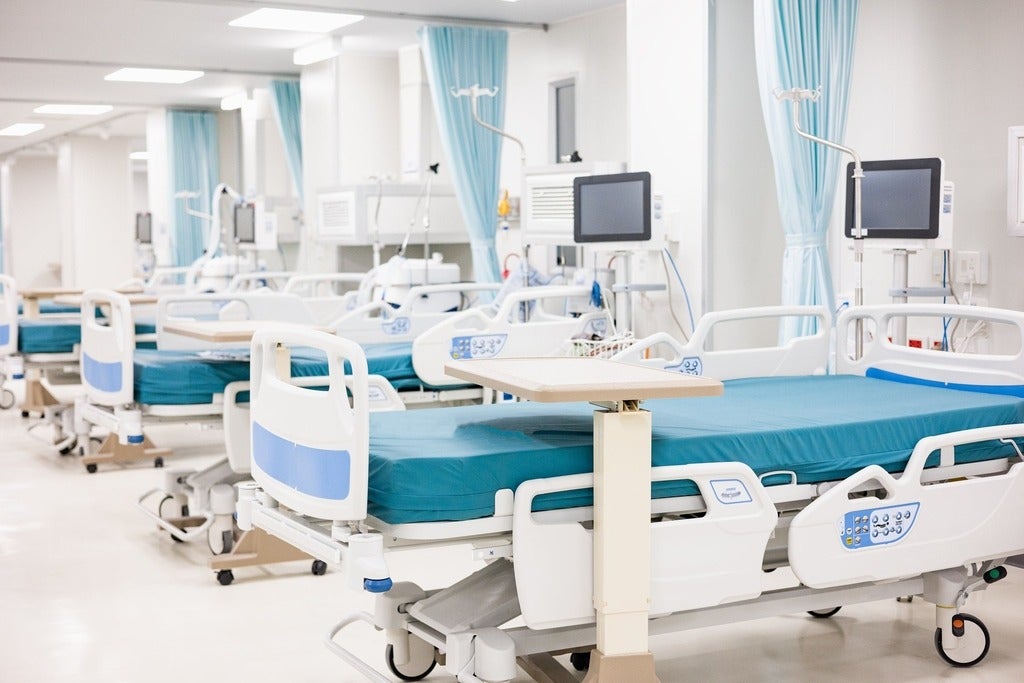
New artificial intelligence (AI) models can help doctors prioritize care by predicting which COVID-19 patients are most at risk of dying or developing kidney injuries during hospitalization.

The sophisticated computer software, developed by researchers at the University of Waterloo, identifies vulnerable patients by learning from previous COVID-19 patient cases with known clinical outcomes.