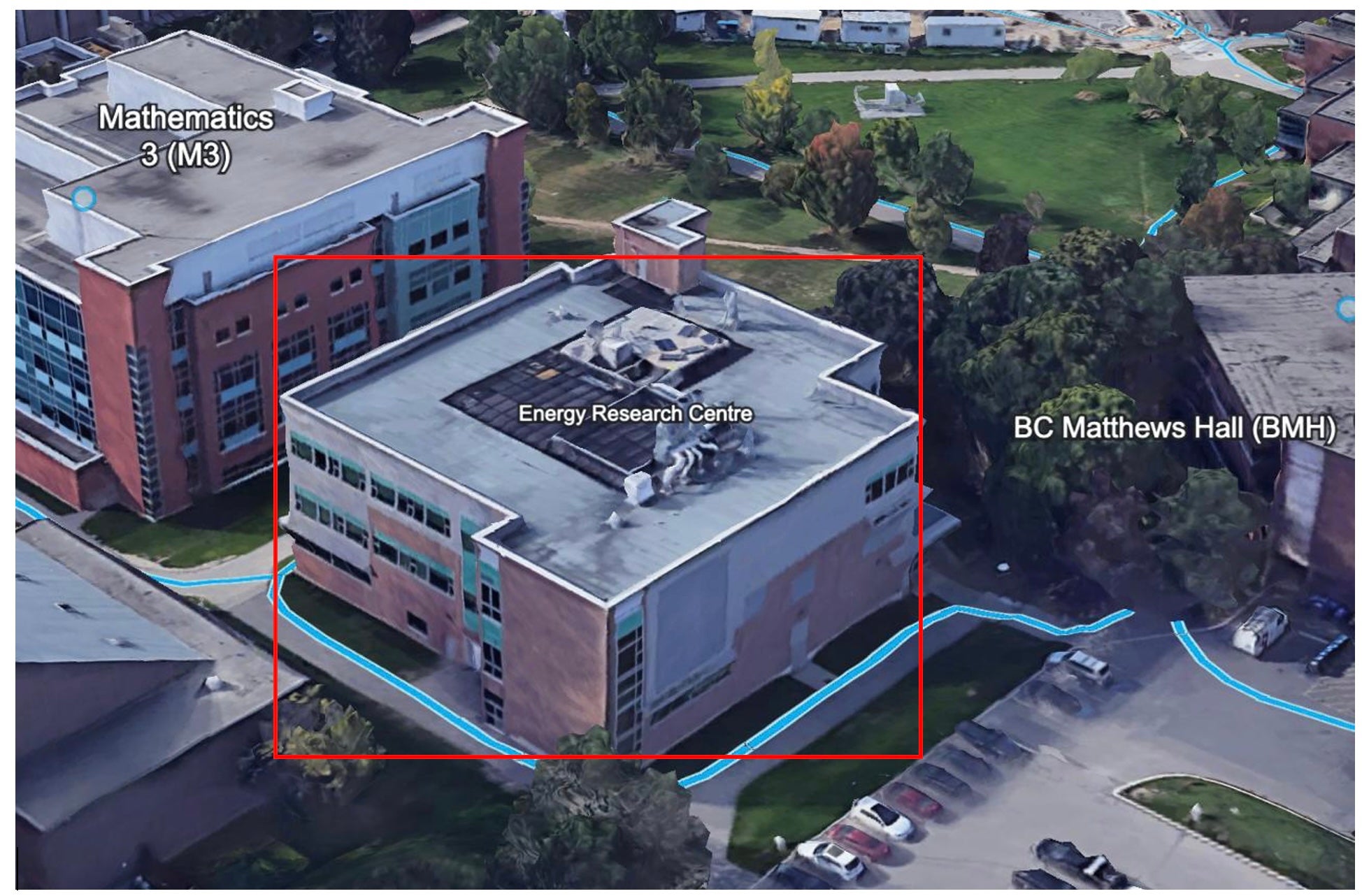
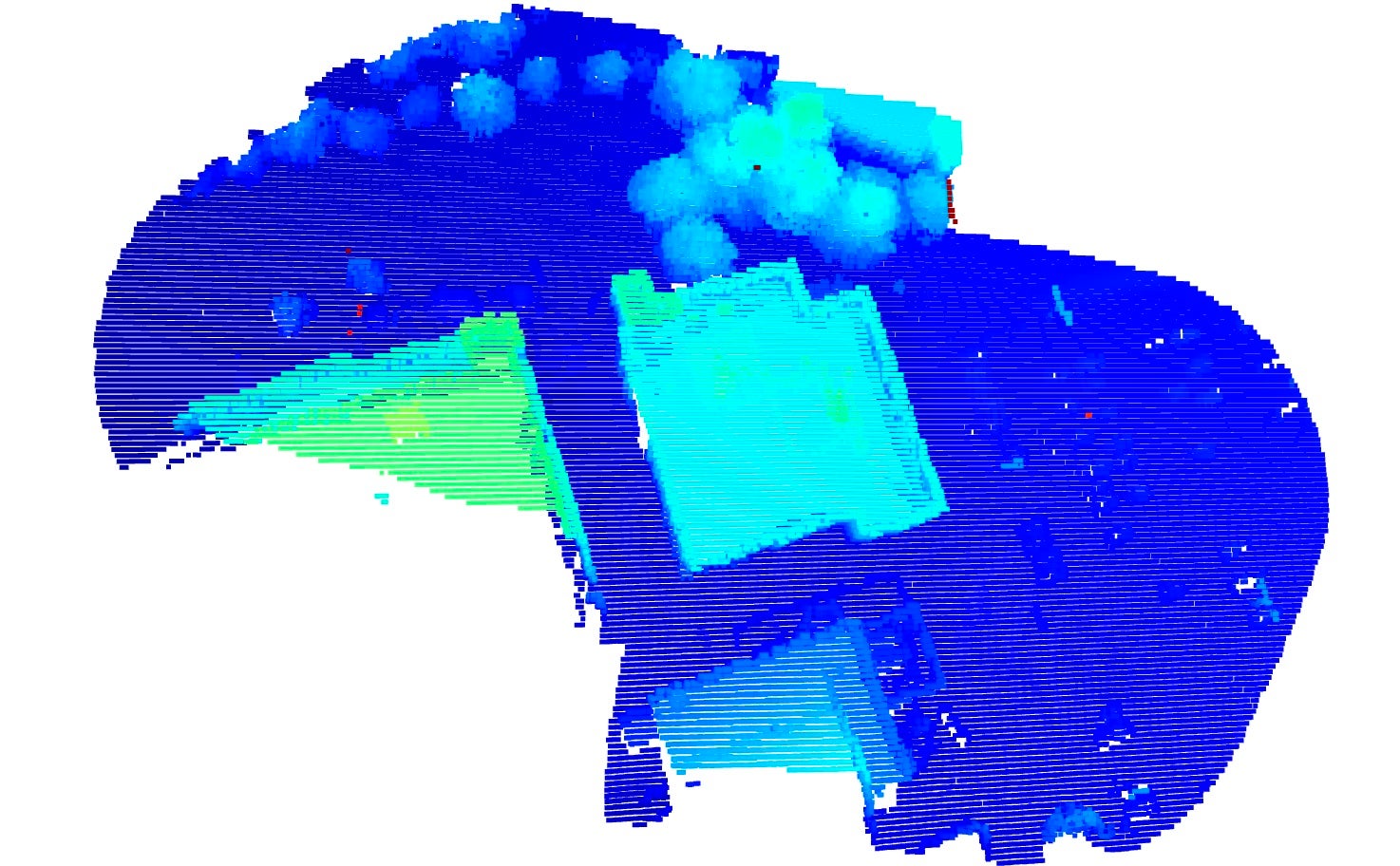
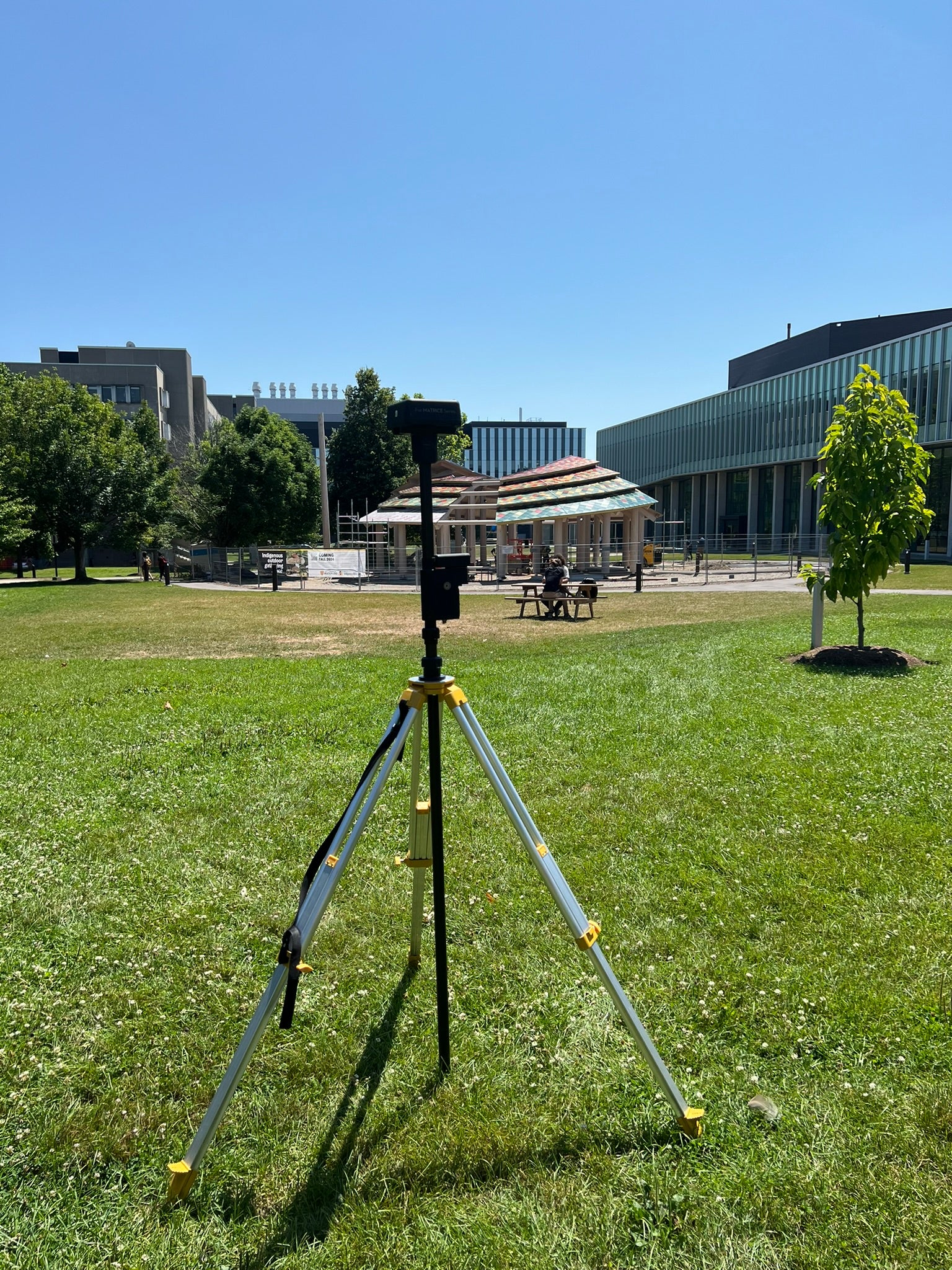
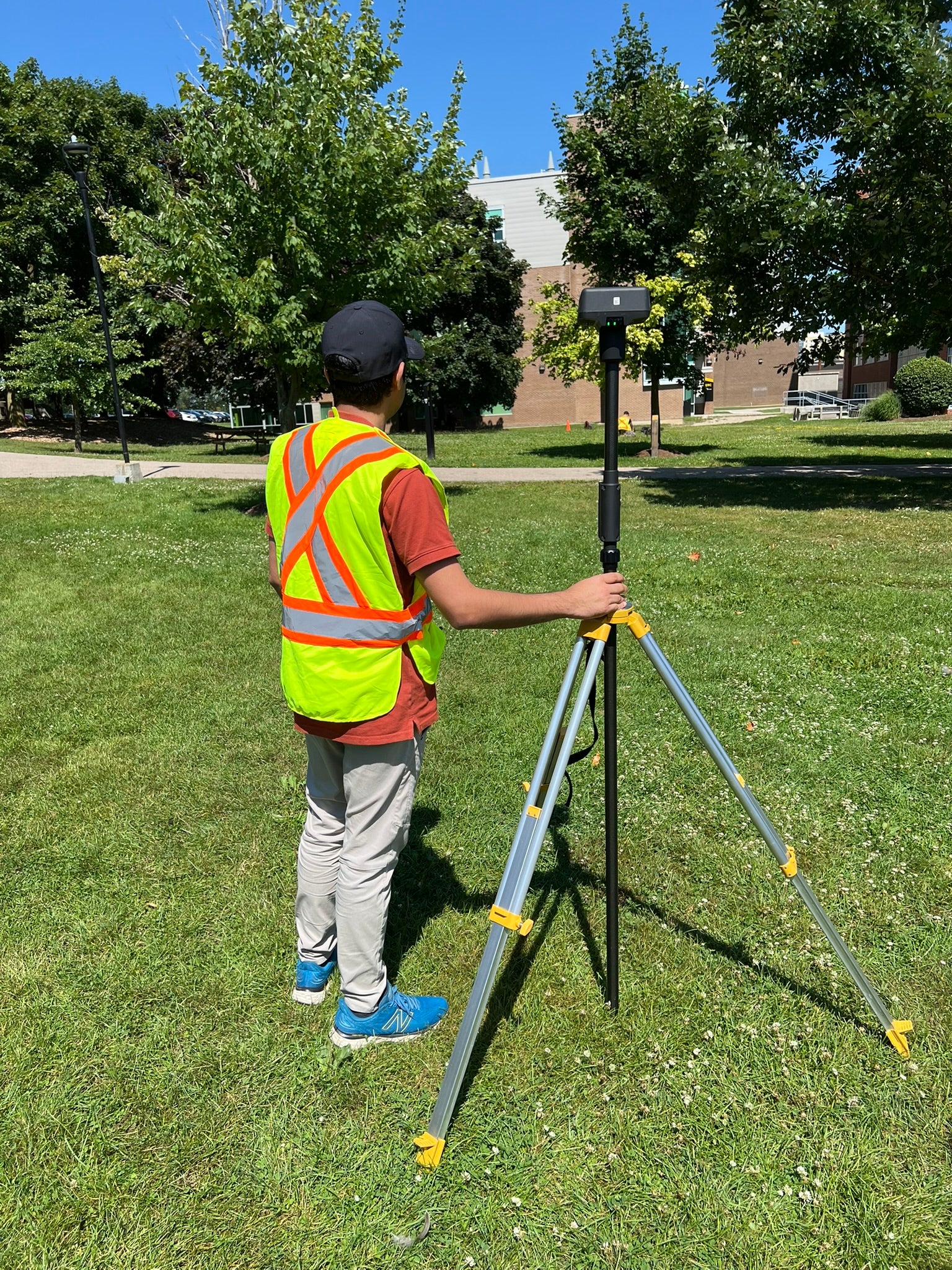
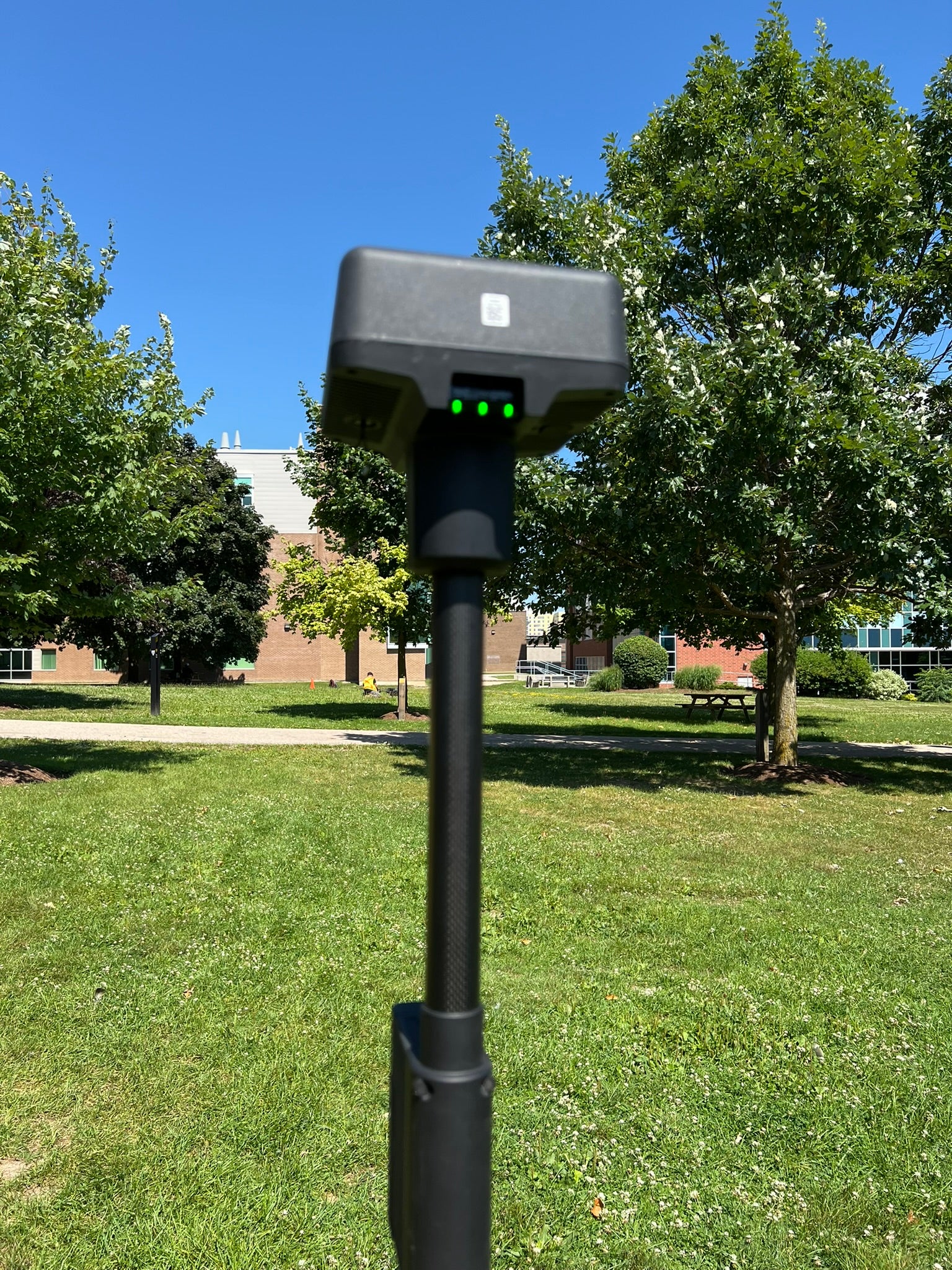
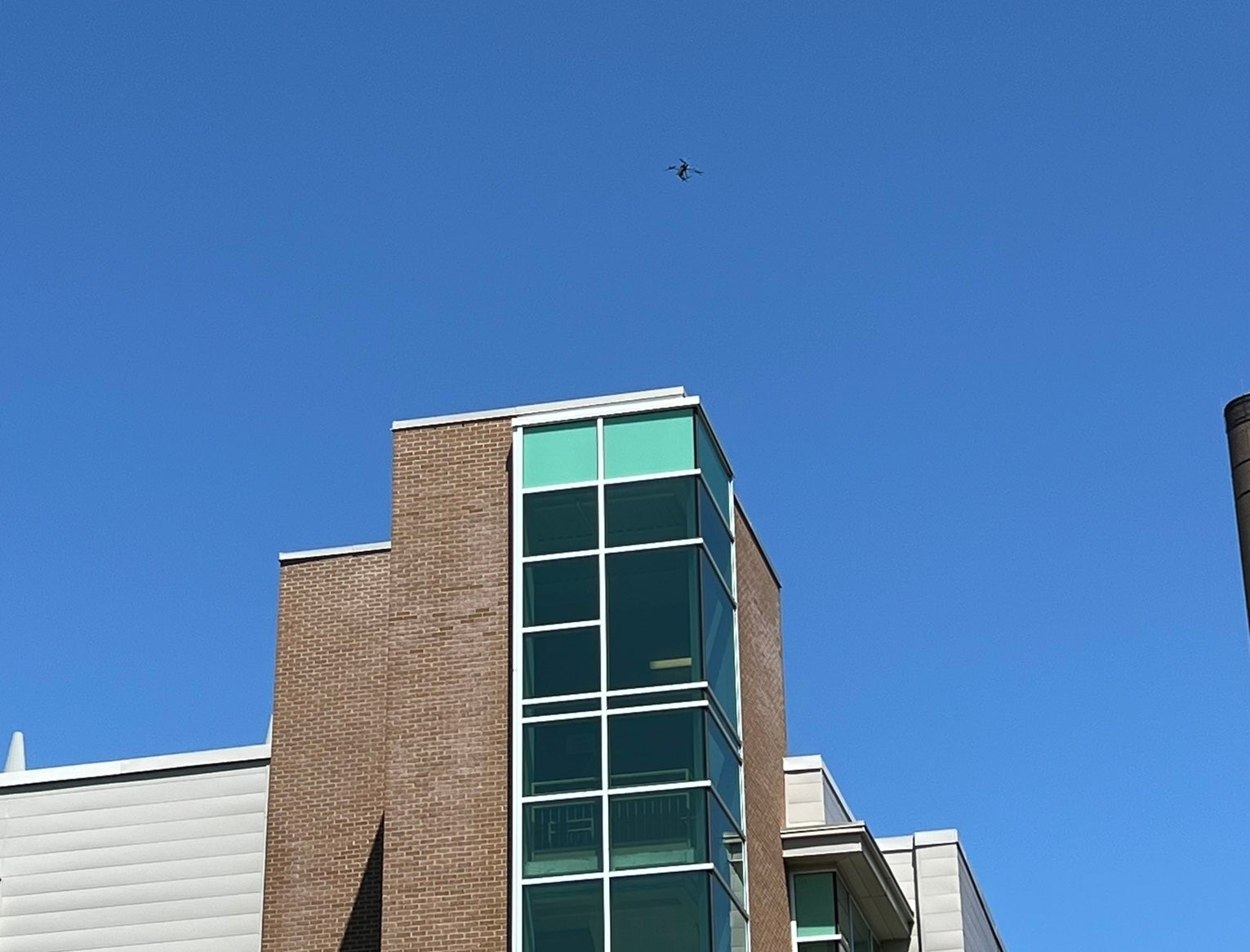
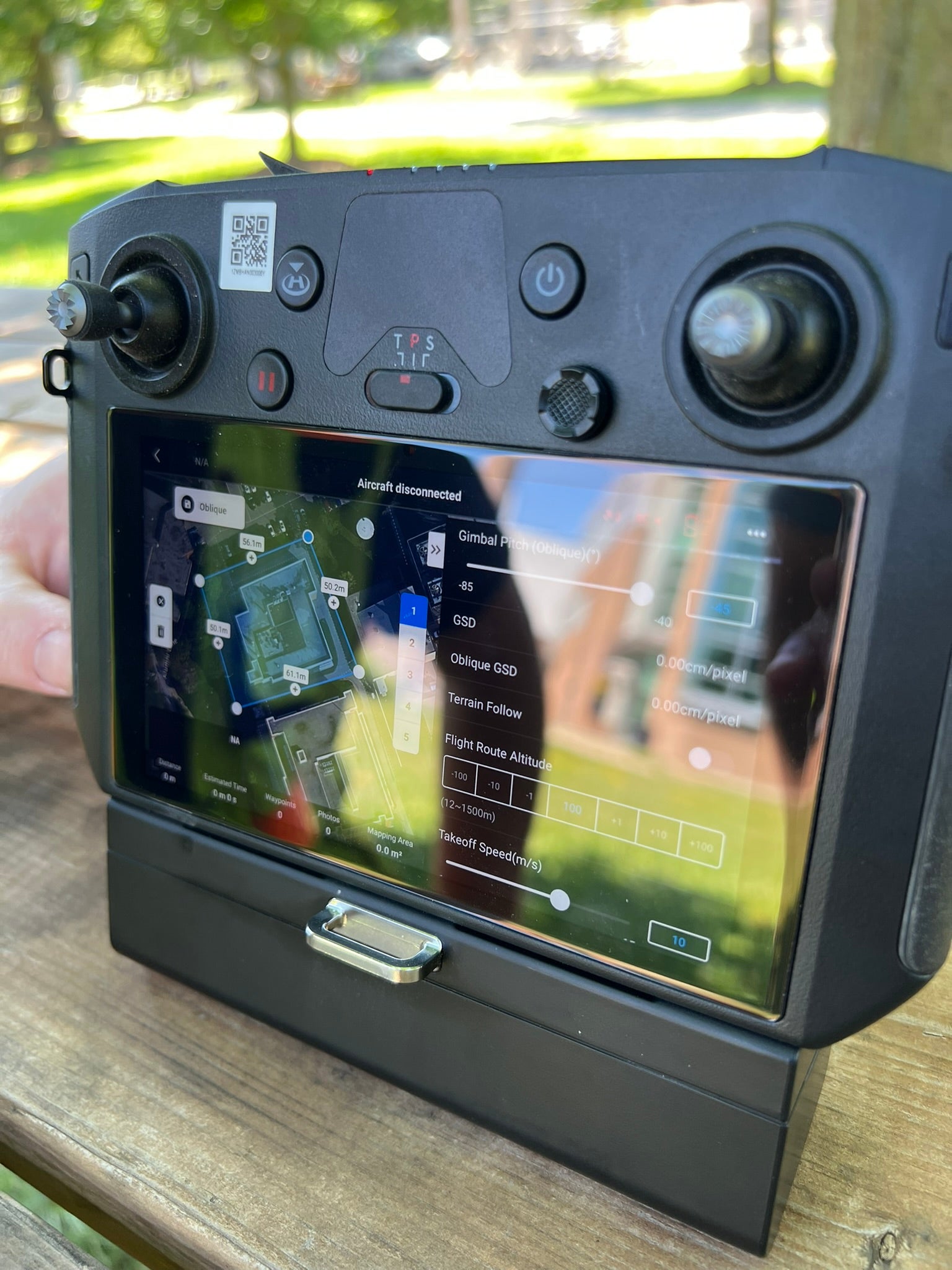
To perform detailed 3D mapping of the Energy Research Centre Building using UAV-mounted LiDAR and RGB imaging for envelope performance analysis
Technology & Design
New Frontiers in Research Fund (NFRF)
Description
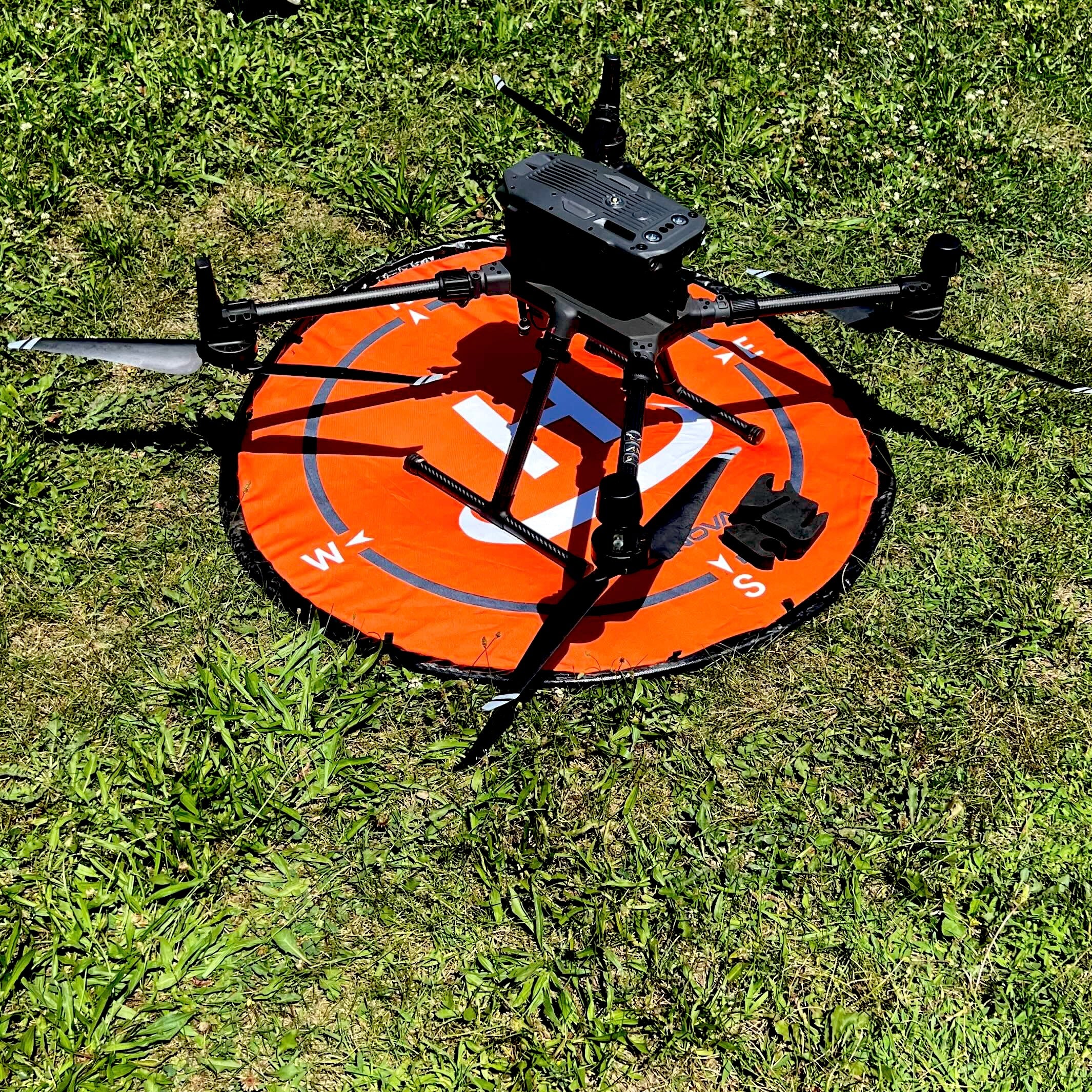
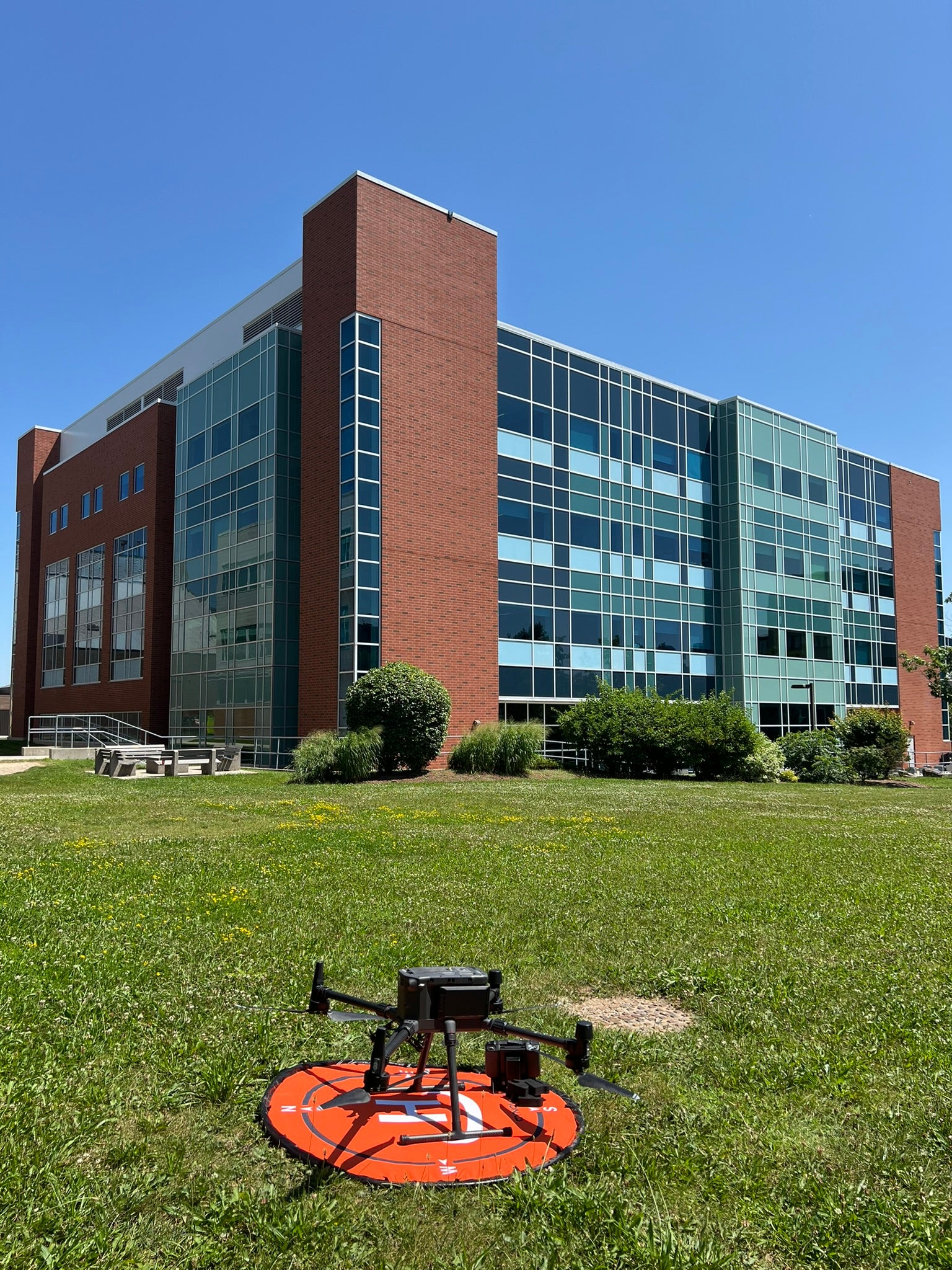
This project utilizes unmanned aerial vehicles (UAVs) for comprehensive building envelope audits to assess structural and thermal performance through advanced multi-modality imaging. The UAV platform integrates thermal infrared cameras, LiDAR scanners, RGB imaging systems, and a hyperspectral pushbroom camera, enabling simultaneous acquisition of geometric, radiometric, and spectral data. The hyperspectral system operates in the short-wave infrared (SWIR) range from 900 nm to 1700 nm and employs a spectrograph coupled with a WiDy 650 camera. The setup is controlled using NITVision software, which manages line-by-line image capture, calibration, and reflectance correction. This configuration allows detailed spectral analysis for identifying façade materials, surface anomalies, and thermal bridges invisible to conventional imaging. Collected data is processed through software frameworks such as Agisoft Metashape for photogrammetric 3D reconstruction, Autodesk Revit for digital twin modeling, and EnergyPlus for energy performance simulation. Custom Python and C++ scripts are developed to handle data fusion, feature extraction, and automation of image-to-simulation workflows. These tools collectively enable the generation of accurate 3D models, temperature distribution maps, and material classification outputs that support both qualitative and quantitative building diagnostics. The project encompasses three major case studies located in Winnipeg, Manitoba; Waterloo, Ontario; and Karlsruhe, Germany, each representing distinct climate zones and building typologies. Through the integration of multi-modal imaging, spectral analysis, and physics-based modeling, this research aims to advance automated building inspection and energy auditing methods. The UAV platform provides a rapid, non-invasive, and data-rich approach to understanding building envelope performance, material integrity, and thermal efficiency.